


Hawking has officially been banned in Kisumu County, with small traders who would generally sell their wares by the roadside now transitioning to modern markets.
Governor Prof. Anyang’ Nyong’o says the decision will ensure traders have better access to customers and are operating in safer and more organised system.
“This is an actionable blueprint to empower our informal traders, scale up our SMEs and modernise our local economy from the ground upwards,” says Prof. Nyong’o.
Kisumu Governor is taking a different path in handling tiny players at a time when the conversation on small traders continues to draw broader national interest.
“You cannot come to Kenya and do business at a lower price than what Kenyans got while growing their businesses,” said Dagoreti North Member of Parliament, Beatrice Elachi.
Many organizations and human rights groups have also, for the last one week or so, weighed in on Kenya’s crackdown on small traders.
Secretary General of Toy Market, David Kose Oyombe, who also doubles as the spokesperson for Coalition of Human Rights Defenders, Constitutionalism, and Refugees Protection strongly condemns violence, harassment, destruction of property, and serious human rights violations targeting foreign nationals, particularly small-scale traders.
Kose says, “government has a legitimate responsibility to regulate immigration and commerce, enforcement must respect human dignity, due process, and the right to life.
“Violence is never a solution to economic challenges. We demand immediate accountability for those responsible and urgent protection for all vulnerable communities.”
Criticism has also come from leaders led by Busia Governor Wycliffe Oparanya, who says: “Kenya is more developed than those other (East African) countries. So we have many Kenyans out there… However, even as they (foreign traders) come here, there must be a procedure.”
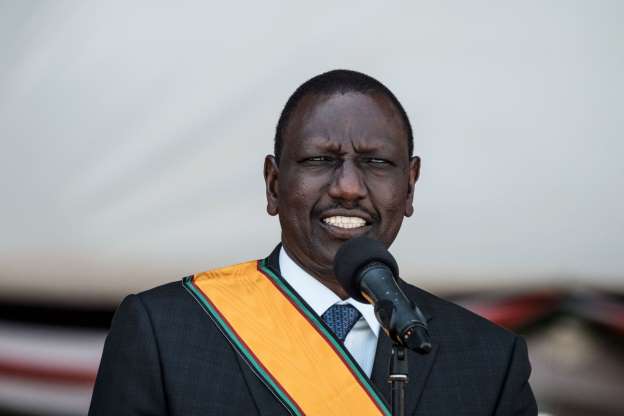
Meanwhile, President William Ruto, through State House, has granted a 90-day regularisation period for foreign nationals operating tiny businesses in Kenya to comply with legal requirements.
The head of state on Saturday, September 12, during his last day of South Rift region tour, however appeared to have bowed to pressure.
Dr. Ruto defended Kenya’s open door policy, saying foreigners are welcome, if, and only if, they abide by the law.
He also confirmed that Kenya is committed at delivering a more predictable, transparent and investment-friendly business environment.
“We are believers in East African Community (treaty) and citizens from all those trading zones are allowed to invest in our country… We will continue to be an open society because that is the DNA of of Kenya,” Ruto said .






















































![Pula Co-Founders and Co-CEOs, Rose Goslinga & Thomas Njeru. Pula provides agricultural insurance and digital products to help smallholder farmers manage climate risks, improve farming practices and increase their incomes. [ Photo / Courtesy ]](https://businesstoday.co.ke/wp-content/uploads/2021/01/Pula-Co-Founders-and-Co-CEOs-Thomas-Njeru-Rose-Goslinga.jpg)

























































Leave a comment