

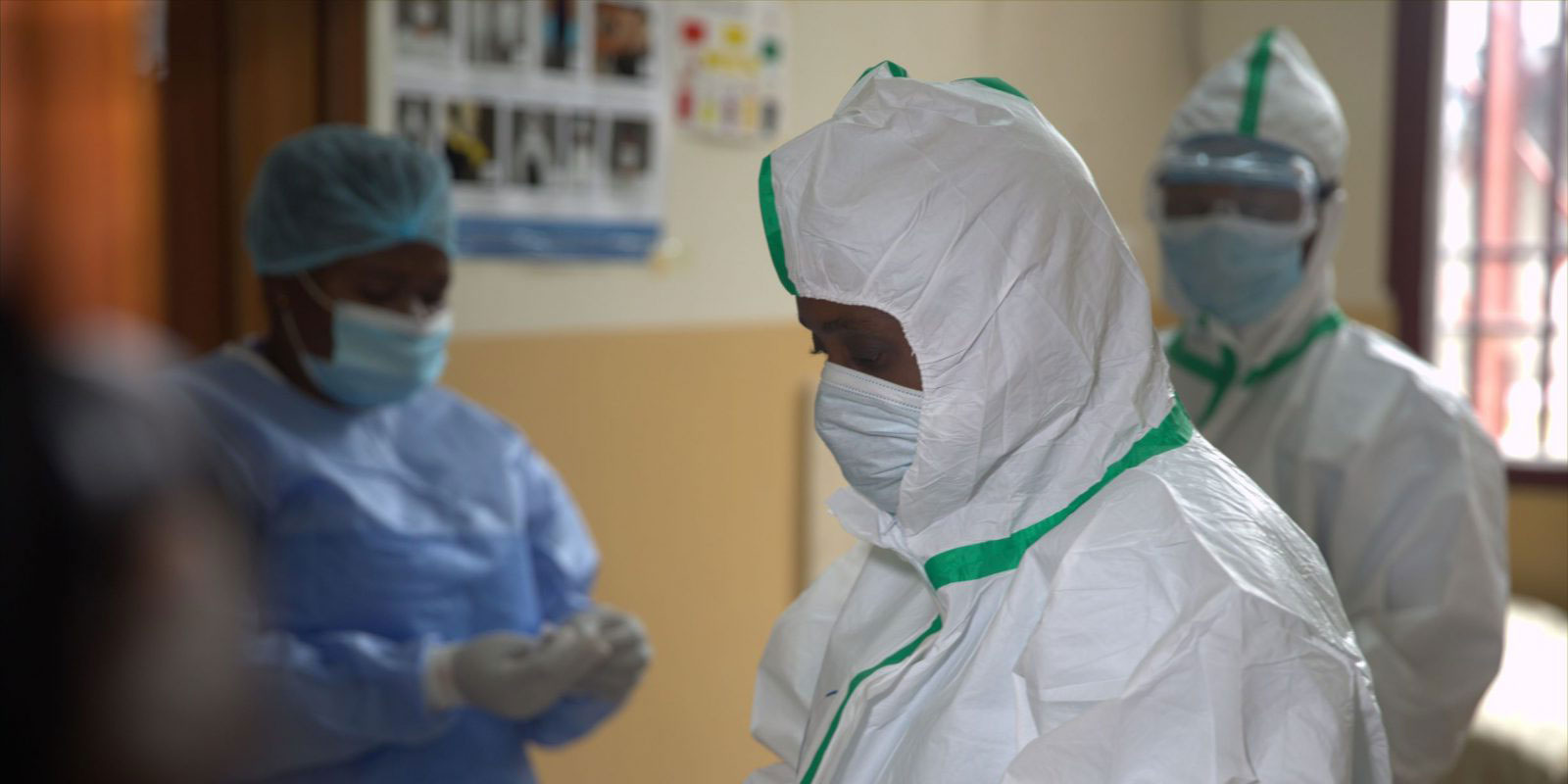
Barely a week after Kenya confirmed its first Ebola case, a second patient, who is a 39-year-old close relative of the first victim, has tested positive while in quarantine.
The 40-year-old man who died of the virus on October 5, had travelled from the Democratic Republic of Congo to Nairobi.
The new patient, though, was in quarantine when he fell ill on Tuesday, Kenya’s health ministry says.
Detecting his illness early has stopped the “community spread” even as government declares Ebola a formidable epidemic disease.
Director of emergency at Africa CDC Dr. Wessim Mankogia says the incubation period for Ebola ranges from two to 21 days, meaning those exposed to the virus may not become ill for several weeks.
“The current out break is being caused by Bundibugyo virus,” Mankogia says. “Global health community requires government to report Ebola cases within 24 hours. There could be other imported cases as we continue to contain this one.”
He adds that someone will present with fever, fatigue, headache, nausea, skin rush including non-specific signs like loss of appetite, weakness, muscle pain and even bleeding.
Meanwhile, Ebola is still active in DRC and Kenya has gazetted Public Health Ebola Rules 2026 to help optimise care, prevent and control transmission of the disease.
Kenya has had over 300 cases but most positive cases have turned into malaria. The virus has long incubation period thusbthe 21 day window.
“We have to isolate these patients so that we can protect our communities. And we are not only isolating patients but providing them with supportive care. We don’t have treatment for current virus. We are able to prevent and take care of the patients,” Dr. Francis Nganga says.

















































![Pula Co-Founders and Co-CEOs, Rose Goslinga & Thomas Njeru. Pula provides agricultural insurance and digital products to help smallholder farmers manage climate risks, improve farming practices and increase their incomes. [ Photo / Courtesy ]](https://businesstoday.co.ke/wp-content/uploads/2021/01/Pula-Co-Founders-and-Co-CEOs-Thomas-Njeru-Rose-Goslinga.jpg)


















































Leave a comment