

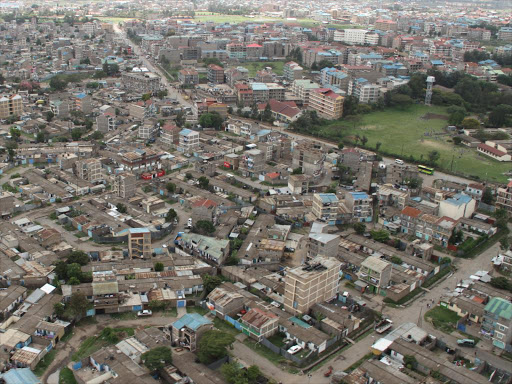
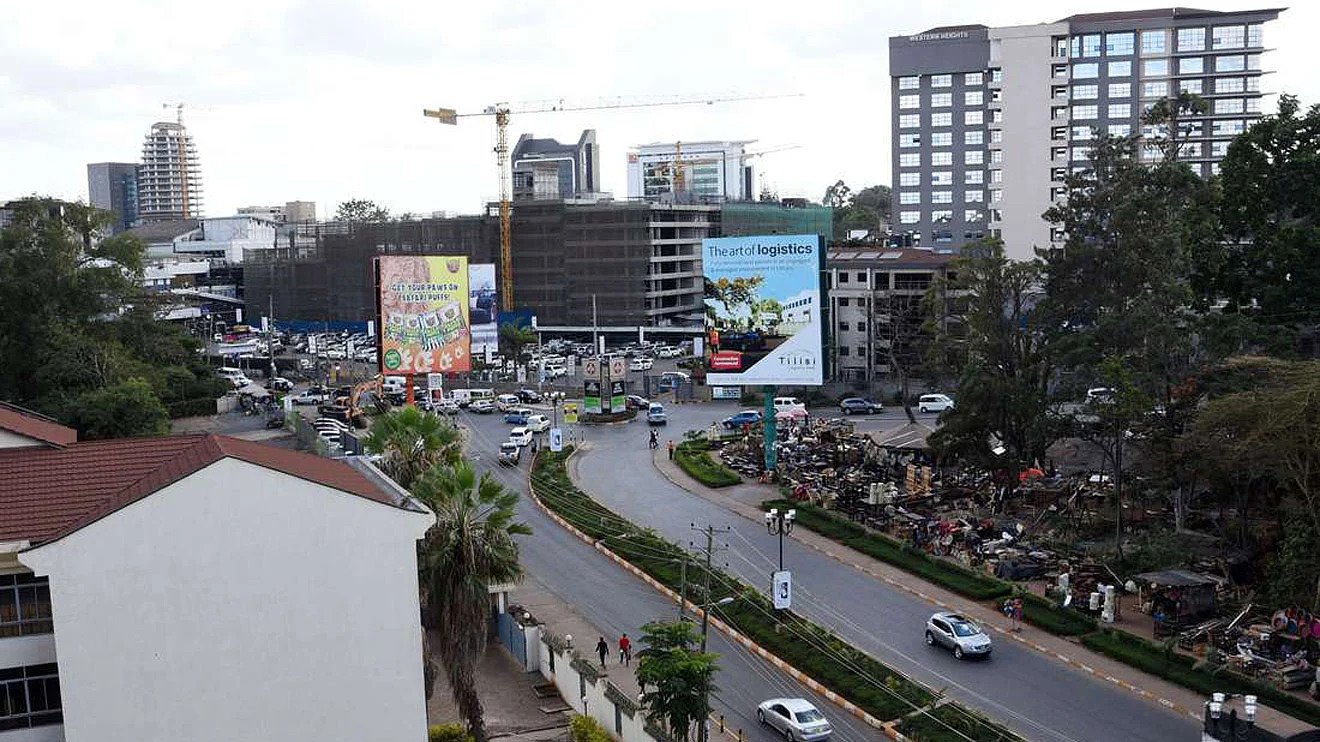
Residents of Kileleshwa ward in Nairobi’s Dagoretti North Constituency have identified security and policing, drainage and sewage, and water supply as their major concerns, according to a baseline public opinion survey prepared by Instream Consulting Group, conducted between July 30 and August 10, 2026.
The poll, which interviewed 275 people and analyzed responses from 220 eligible ward residents, carries a margin of error of ±6.6% at a 95% confidence level. Fieldwork was conducted entirely in person, split between household visits which was 40% and intercept interviews at public locations (60%), across five sampling zones spanning the ward; from the core Kileleshwa area to its borders with Kilimani and Lavington, as well as commercial frontage and the Raphta Road/Riverside Drive corridor.
Access restrictions in gated and apartment compounds limited household-based interviews, shifting more fieldwork to street-level intercepts. This is a constraint that, combined with the absence of statistical weighting, means the findings should be read as an indicative baseline rather than a predictive snapshot of the eventual outcome.
Pressing issue
Asked, without prompting, to name the most pressing issue facing the ward, nearly a third of respondents (32%) cited security and policing as their top concern.
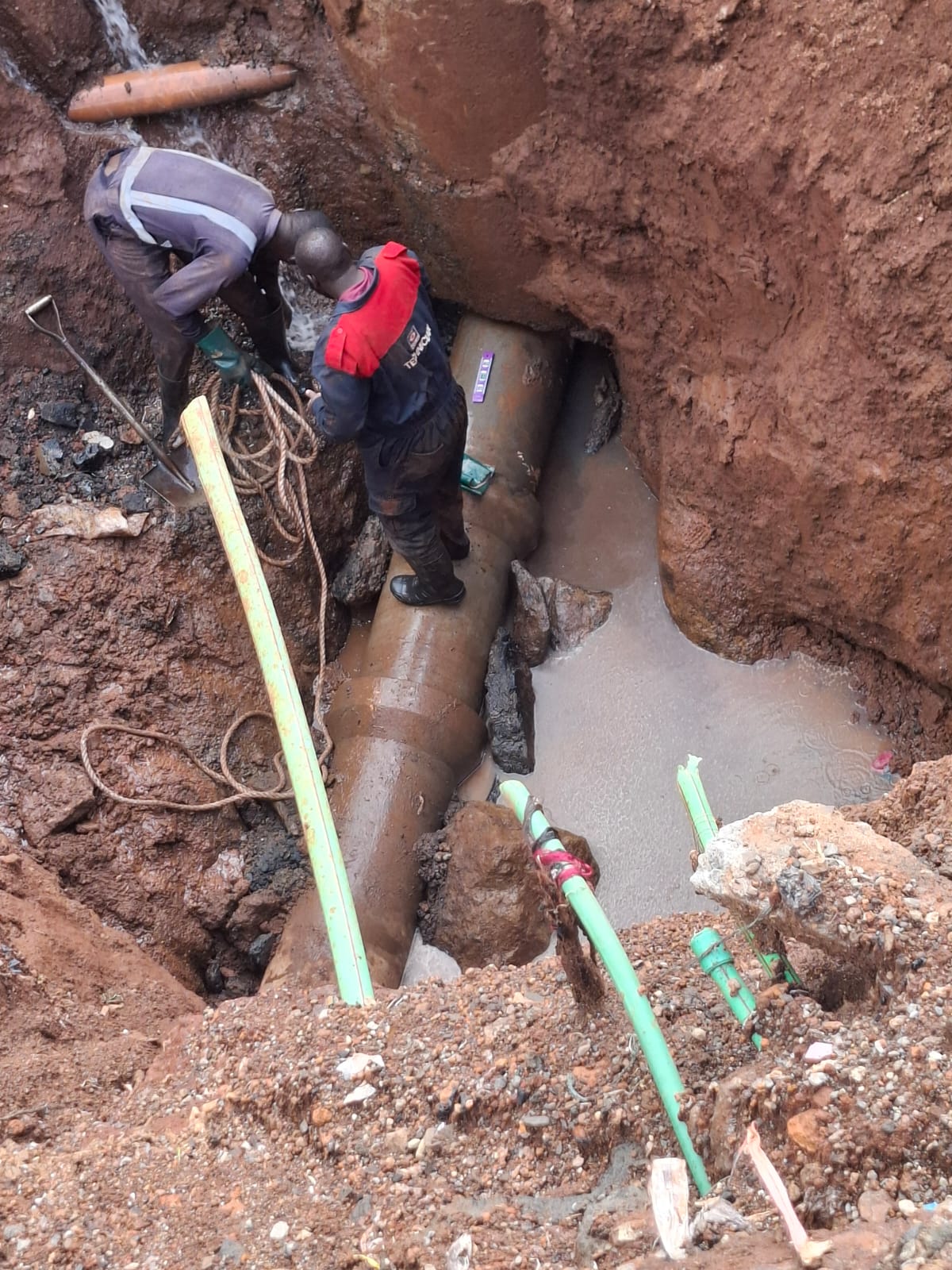
Drainage and sewage followed as a clear second priority at 19%, with water supply issues cited by 7% of respondents. The findings point to infrastructure and public safety as the issues most on residents’ minds.
What residents want in their next MCA
Beyond specific issues, residents were asked to rate how much a list of personal attributes matters in an ideal MCA, on a 1–5 importance scale.
Integrity and an anti-corruption record ranked highest (mean score 3.60), followed closely by a clear understanding of governance and county budgeting (3.58).
A track record of delivering projects and being a long-term resident of the ward with a good understanding of the ward tied for third place (3.44 each), with a youth-focused agenda close behind (3.23).
Party affiliation ranked lowest of all attributes tested, by a wide margin (2.64), suggesting that, for most residents, demonstrated competence and integrity outweigh political alignment when choosing their next representative.
How candidates are performing
Residents were also asked to rate the sitting MCA’s performance directly: 43% rated it “good” or “very good,” while 42% rated it “poor” or “very poor” (15% said they didn’t know). Satisfaction with the ward’s use of the Ward Development Fund specifically was lower, at 19% satisfied against 34% dissatisfied.
For comparison, Nairobi’s governor was rated more negatively (48% poor or very poor) and the constituency’s MP more positively (58% good or average) than the MCA, indicating that residents’ frustration is not spread evenly across the three offices.
Awareness of the sitting MCA remains moderate-to-high, with 69% of respondents able to say who he is. Among declared candidates for the seat, prompted recognition was highest for Bob Omamo (41.4%), followed by Perpetua Okello (21.4%), Evan Kulecho (8.6%), Brian Kiplangat (4.5%), and Eric Makeke (1.8%); 36.4% of respondents recognized none of the candidates listed.
Among the smaller groups who said they recognized each of the two best-known candidates, favorability was net positive for both: 65% rated Bob Omamo favorably versus 2% unfavorably, while Okello drew 38% favorable versus 9% unfavorable.
On a prompted ballot test, support broke down as follows: Bob Omamo 24.5%, Perpetua Okello 11.8%, Evan Kulecho 5.0%, Brian Kiplangat 1.8%, and Eric Makeke 1.8%, with a further 1.8% saying they would not vote and a majority 53.2% remaining undecided.
In an unprompted version of the same question, 53% said they were undecided or didn’t know, while 19.5% named Omamo and 10.5% named Okello without being prompted; notably, 14% of respondents unprompted named Robert Alai, a name that does not appear on the official candidate list for the ward.
Among those who did name a preferred candidate, 65% of Omamo’s supporters and 39% of Okello’s described their choice as “definitely decided,” pointing to a firmer base for Omamo at this stage, though with over half the ward still undecided, the race remains open.
Who was surveyed
The sample skewed male (69% versus 30% female, with 1% preferring not to say) and was concentrated among residents aged 25–44 (73% of respondents).
Most respondents rent rather than own their homes; 56% in houses and 28% in apartments, against 10% ownership, and the majority are self-employed (56%), with 28% in formal employment.
Recognition of candidates and declared support varied by zone. The ward’s largest sampling area, core Kileleshwa (55% of respondents), showed the lowest familiarity with declared candidates of any zone, while smaller zones such as Raphta Road/Riverside Drive and the Kilimani border area showed comparatively higher recognition.
With roughly half of surveyed residents still undecided on ward leadership, the data suggests that how candidates respond to the ward’s stated priorities, and how well they embody the integrity and delivery record residents say they value most, may do more to shape the race than name recognition alone.

























































Leave a comment