

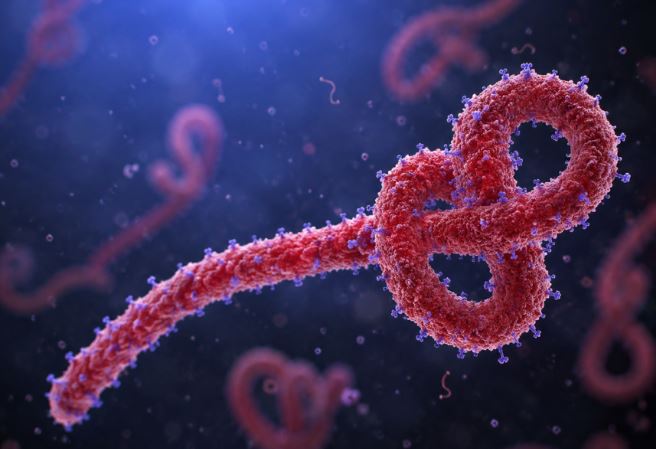
Bundibugyo has become a familiar name in Kenya following the confirmation of the country’s first Ebola case, raising questions about the virus, its origins and the risks it poses to the public.
On October 6, 2026, Health Cabinet Secretary Aden Duale confirmed that a Kenyan citizen who had lived in the Democratic Republic of Congo (DRC) for seven years had tested positive for Bundibugyo Ebola virus disease. The patient later died while receiving treatment in Nairobi.
According to the World Health Organisation (WHO), the infection was imported from the DRC, where the ongoing outbreak has spread across several provinces.
As of October 6, the DRC had recorded 8,728 confirmed cases and 4,205 deaths, making it the largest Bundibugyo Ebola outbreak recorded. The outbreak began in May 2026 in Ituri Province, northeastern DRC.
What Is Bundibugyo?
Bundibugyo is a rare strain of Ebola virus first identified during an outbreak in western Uganda’s Bundibugyo District in 2007. It causes Ebola virus disease, a severe illness that can be fatal.
Unlike the more widely known Zaire strain, Bundibugyo currently has no approved vaccine or specific antiviral treatment. Patients receive supportive care, including fluids, symptom management and close monitoring.
The virus is believed to have animal origins, with fruit bats suspected of being natural reservoirs. Humans can become infected through contact with infected animals or their bodily fluids.
WHO explains that human-to-human transmission occurs through direct contact with the blood or other bodily fluids of infected people, including contaminated objects. The virus does not spread through the air like influenza.
Symptoms and Prevention
Symptoms usually appear between two and 21 days after exposure. Early signs include fever, fatigue, headache, muscle pain and a sore throat. Some patients later develop vomiting, diarrhoea, severe bleeding and organ failure.
Because these symptoms can resemble malaria and other common illnesses, laboratory testing is necessary to confirm the infection.
People are not considered contagious before symptoms develop, making early identification and isolation important in controlling transmission.
WHO recommends frequent handwashing, avoiding contact with sick people’s bodily fluids and seeking medical attention promptly when symptoms develop, particularly after possible exposure.
Kenya’s Response
The Kenyan patient travelled by road from the DRC to Kampala, Uganda, before boarding a Jambojet flight to Nairobi on October 3.
Kenyan authorities began tracing people who may have been exposed, including family members, healthcare workers and passengers who shared the flight.
On October 7, Duale said 57 contacts had been identified and were being managed under established health protocols.
The response involves monitoring exposed individuals, strengthening surveillance and coordinating with regional health authorities to prevent further transmission.













Leave a comment