

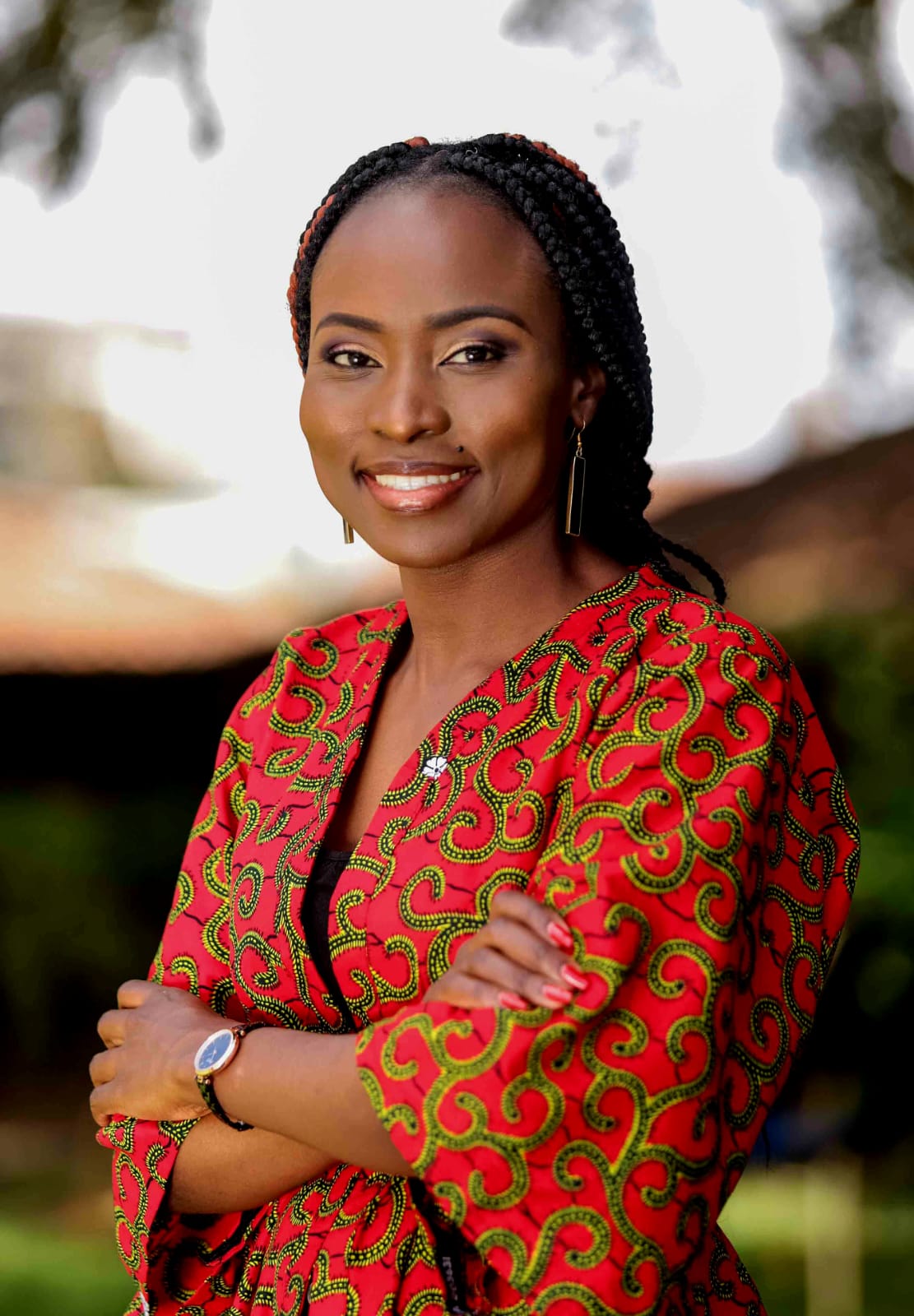
As the countdown to the 2027 elections gathers pace, political mobilisers are already rallying support for their preferred candidates.
Yet, the women who help build political support at the grassroots often remain invisible, even as they face growing risks when participating in politics.
Known as “Kingmakers”, these mobilisers help candidates win hearts and minds through door-to-door campaigns, conversations with voters and networks of family, friends and community members.
Their influence can be significant, but their contribution rarely receives the same attention as that of candidates and senior campaign teams.
According to Bina Maseno, Executive Director at Badili Africa, an organisation working at the intersection of gender, politics and technology, women are increasingly taking up these roles, challenging the perception that political mobilisation is largely a man’s job.
“We have been working on the back end with some of the most influential barbers and salonists. Mobilisation has helped us to put pressure where necessary. The community leaders we work with engage and agree on who we need to support to lead us,” Ms. Maseno says.
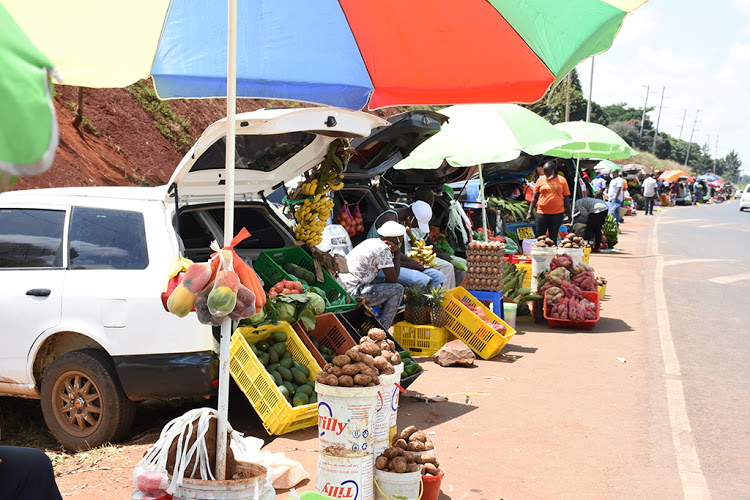
She believes that spaces often overlooked in formal political discussions, including barbershops, salons and open-air markets, can become important centres for civic education and political engagement.
These everyday spaces offer opportunities for people to discuss leadership, question political promises and share information about issues affecting their communities.
For women who may not have access to formal political platforms, such conversations can provide a starting point for participation.
“There are people who are invested in your winning as you are in your winning, but they are always overlooked,” she says.
However, behind this grassroots influence lies a problem that receives far less attention, the safety of the women who help drive political campaigns.
Ms. Maseno says a rapid study conducted by Badili Africa found that women political mobilisers lacked adequate security mechanisms, even as politicians benefited from their wider support systems around their campaigns.
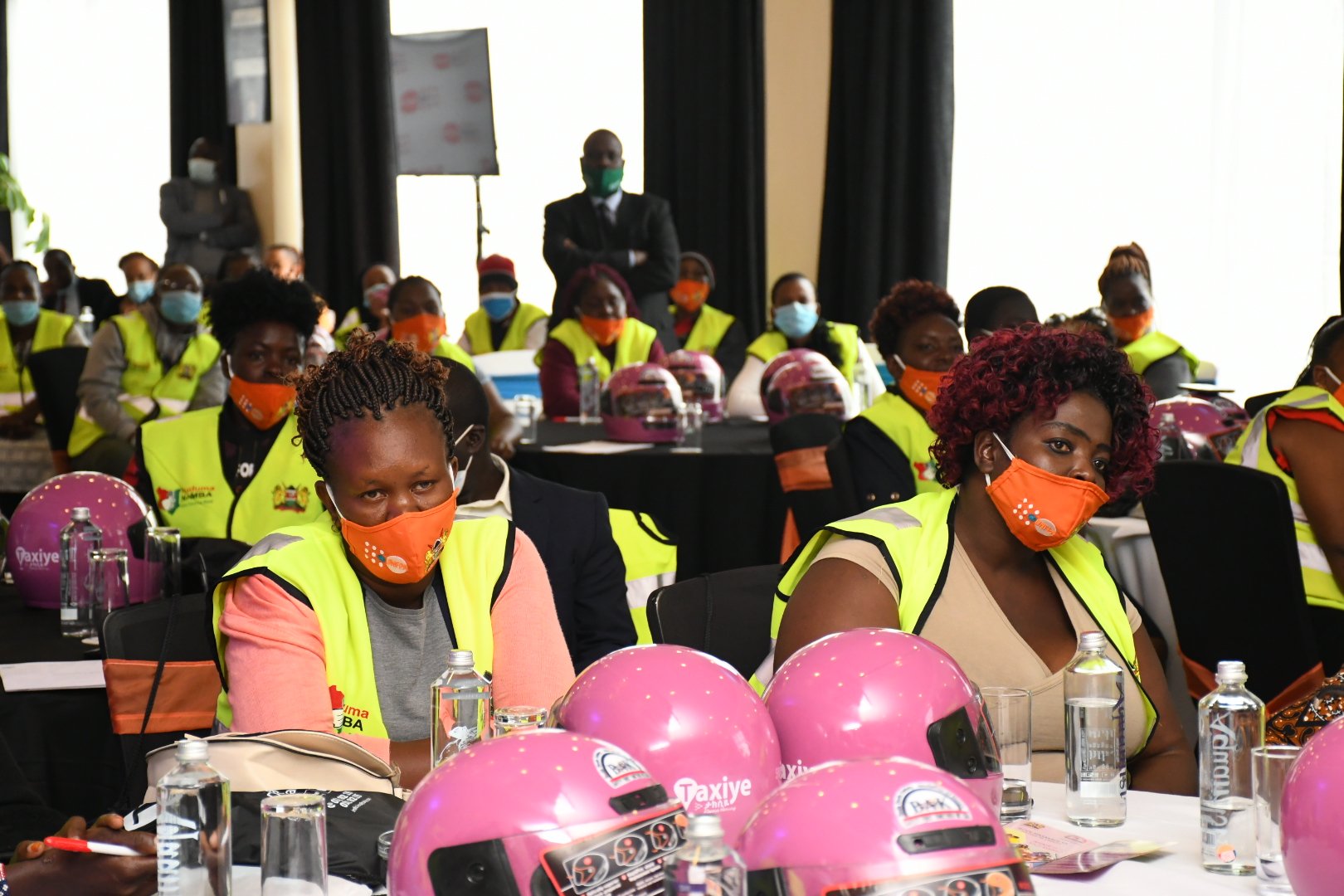
Women mobilisers face challenges ranging from social and cultural expectations, unpaid care work, physical insecurity and in particular gender-based violence.
Increasingly, their participation also extends into digital spaces where harassment, threats, sexualised attacks and false information can damage reputations and discourage women from speaking publicly.
According to Maseno, digital violence against women is not simply online abuse; it can become a barrier to democratic participation.
When women fear being humiliated, threatened or targeted online because of their political views or ambitions, the cost of participating in public life rises. Some may choose to remain silent or abandon their aspirations altogether.
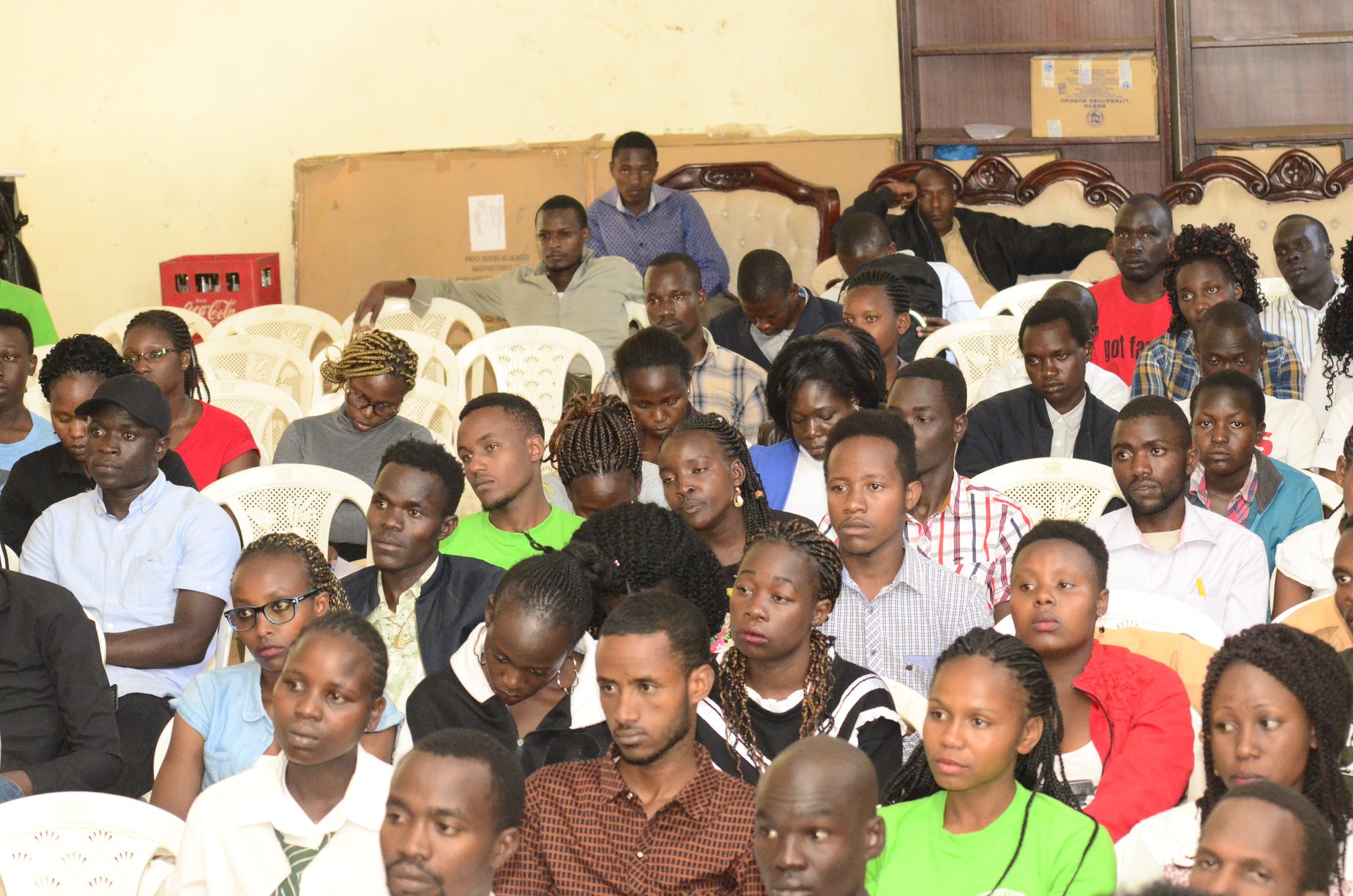
This is particularly concerning for young women who hope to progress from campus leadership and community organising into elective politics. Ms. Maseno, who began engaging in politics while still at university, says many young women are interested in leadership but remain afraid of what pursuing political office could mean for their safety.
“Kenya’s commitment to inclusive development must therefore include the protection of women’s ability to participate in political life, both online and offline. Public participation cannot be meaningful if some citizens are discouraged from speaking, organising or aspiring to leadership because of harassment and intimidation”, says Maseno.
The Kenya Vision 2030, and which the government is keen to extend to Kenya Vision 2060 in three years, emphasises that public participation in national policy and development planning is a constitutional requirement.
For grassroots women, the challenge is ensuring that this commitment translates into real opportunities to influence leadership decisions that ultimately impact and shape Kenya’s long-term development priorities.
For Ms. Maseno, this means recognising women not merely as voters or campaign volunteers , but as informed political actors whose knowledge, networks and contribution matter.
It also means holding institutions accountable for creating safer environments in which women can organise, speak and lead without fear.
While President William Ruto says that Vision 2030 has scored highly on its political pillar (80 percent), Ms. Maseno is not afraid to say Kenya remains off target on becoming an upper-middle-income country by 2030.
To her, women aspirants, including those who have built leadership pipeline from campus level to national politics, find vying for political positions quite a challenge.
“The future is not bright. There is still so much we need to work on especially on human rights, accountability and the rule of law.,” she says.
The envisioned Kenya Vision 2060 that will chart Kenya’s long-term development goals and transformation agenda for the next three decades will set out priorities guided by six pillars namely Economic Prosperity, Social Inclusion, Environmental Sustainability, Good Governance, Infrastructure and Innovation and Global Competitiveness.
The challenge however, extends beyond government. Political parties, universities, digital platforms, media organisations and community leaders all have a role to play in challenging harassment, responding to abuse and ensuring that women who experience digital violence can access support.
Ultimately, adds Maseno, values-based politics and which is the goal of electing accountable leaders cannot thrive when women must choose between speaking publicly and staying safe online.
Protecting women’s civic power is therefore not only a question of individual safety, it is part of protecting the quality and inclusiveness of Kenya’s democracy.
Ms. Maseno’s message to aspiring men and women leaders is simple: “To anyone who is vying, I want to encourage them to show up. You don’t need a platform. Start from where you are.”
Women representation
Some of the counties with low representation of women remain Nairobi, Kajiado, Kiambu, Kisumu, Kisii, Nyamira, Machakos and Kakamega, as per a recent TIFA study.
Badili Africa’s work with grassroots and middle-class women seeks to strengthen civic participation and create opportunities for women to influence political conversations.
Its approach recognises that civic education does not have to begin in Parliament or at a political rally. It can start in a salon, a market, a university or a community group.










































![Pula Co-Founders and Co-CEOs, Rose Goslinga & Thomas Njeru. Pula provides agricultural insurance and digital products to help smallholder farmers manage climate risks, improve farming practices and increase their incomes. [ Photo / Courtesy ]](https://businesstoday.co.ke/wp-content/uploads/2021/01/Pula-Co-Founders-and-Co-CEOs-Thomas-Njeru-Rose-Goslinga.jpg)











































Leave a comment