


Affordable housing, one of President William Ruto’s key promises during the 2022 presidential campaign, has evolved into one of his administration’s flagship programmes, with the government positioning it as both a homeownership initiative and a driver of economic transformation.
The programme formed a central part of Ruto’s economic agenda, which promised to create jobs, expand opportunities and improve living conditions for ordinary Kenyans.
Since its rollout, however, the Affordable Housing Programme (AHP) has generated both support and criticism, with debates focusing on its financing, construction progress, access to completed houses and the mandatory housing levy deducted from workers’ earnings.
The government has consistently maintained that the initiative is much broader than constructing houses.
It has presented the programme as a major economic project intended to create employment, stimulate the construction industry and increase access to homeownership for low- and middle-income households.
How the housing levy works
At the heart of the programme is the Affordable Housing Levy, which the government uses as a dedicated financing mechanism for construction of affordable homes and related urban infrastructure.
Employees contribute 1.5 per cent of their gross salary, while employers are required to make an additional matching contribution of 1.5 per cent.
The Kenya Revenue Authority (KRA) collects the levy through the iTax system, with employers required to remit the deductions by the ninth working day of the month following the deduction.
Employers who fail to remit the money on time face a three per cent penalty for every month the amount remains unpaid.
The government has sought to reduce the programme’s dependence on allocations from the national Exchequer by establishing the levy as a dedicated source of funding.
It has also invested unspent levy collections in short-term Treasury bills to generate interest while the funds await deployment into housing projects.
More recently, the State Department for Housing has explored securitising future housing levy collections as another way of raising money for the programme.
Under the proposed arrangement, anticipated future levy revenues could be used as collateral to secure up to Sh100 billion in financing from international development partners to help bridge existing funding gaps.
Levy collections surpass target
The housing levy has emerged as a significant source of revenue for the programme.
KRA collected Sh73.2 billion from the levy during the 2024/2025 financial year, exceeding the National Treasury’s original target of Sh63.2 billion.
The collection represented an achievement rate of 115.82 per cent and was a 35 per cent increase from the Sh54.2 billion collected during the levy’s first year.
The government has simultaneously stepped up enforcement against employers and individuals who fail to comply with the levy requirements.
Enforcement measures can include restrictions on bank accounts, deactivation of KRA PINs and recovery of assets, in addition to the three per cent monthly penalty on unpaid contributions.
For the government, the revenue figures demonstrate that the levy can provide a financing base for a large-scale housing programme without relying entirely on the national budget.
Workers bear the cost
Critics, however, have questioned the financing model, arguing that it places an additional burden on workers at a time when households are grappling with high living costs.
Opposition politicians have repeatedly demanded the abolition of the 1.5 per cent levy, arguing that it reduces workers’ disposable income without guaranteeing that those making contributions will eventually acquire houses.
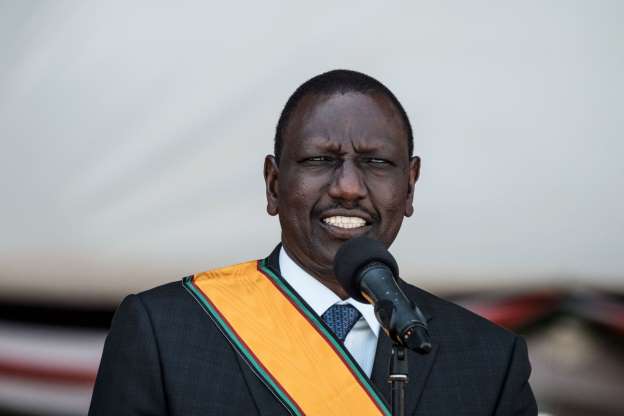
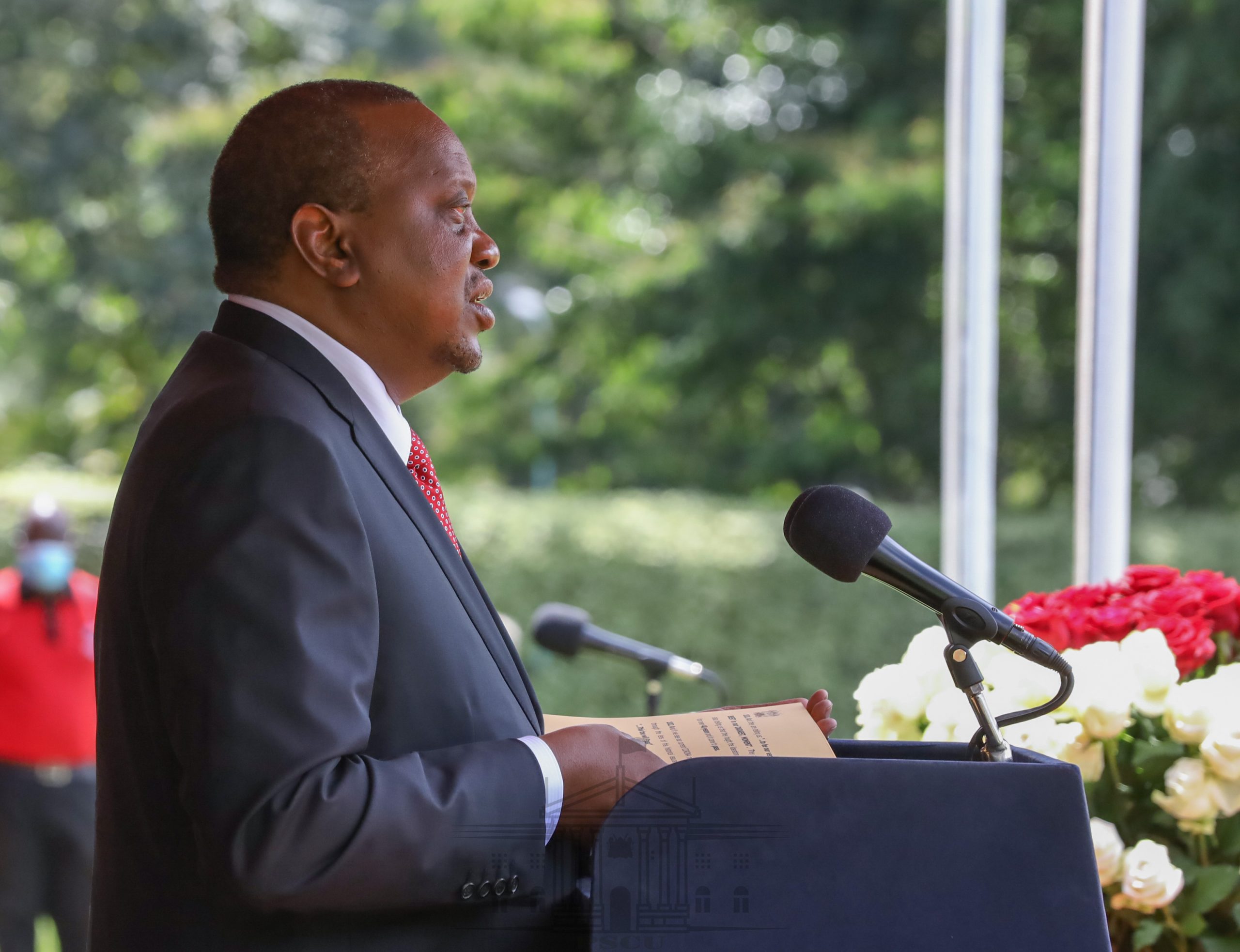
Ruto has rejected the calls, arguing that scrapping the levy would undermine one of the administration’s major transformation programmes.
“We still have politicians who think you can make populist comments, saying they are going to stop the affordable housing levy to protect the payslips of people,” Ruto has said.
The President has also defended the programme against political criticism, insisting that his administration must maintain its focus on its long-term development agenda.
“No amount of noise or opposition will derail our transformation agenda. We remain committed to delivering the Affordable Housing Programme,” Ruto said.
Opposition leaders, however, have maintained that they would scrap the levy if they form the next government after the 2027 General Election.
The dispute has consequently transformed affordable housing into a major political issue likely to feature prominently in the next election campaign.
8,800 homes completed
Beyond the debate surrounding financing, the government has pointed to an expanding pipeline of housing projects across the country.
Approximately 8,800 affordable housing units have been completed and handed over to buyers, with annual completions rising from about 1,655 units in 2024 to more than 6,700 in 2025.
Despite the increase, the figures remain below Ruto’s original target of delivering 250,000 housing units every year.
The government says construction has nonetheless gathered momentum, with between 214,000 and 277,000 additional units currently under construction across all 47 counties.
The projects comprise social housing units, standard affordable homes and more than 73,000 beds for university students.
The administration has also portrayed the construction drive as a significant source of employment.
According to the Presidency, the programme has generated more than 1.1 million direct and indirect jobs.
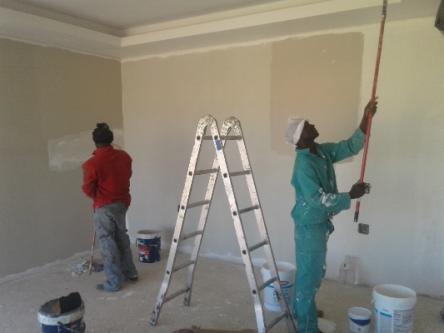
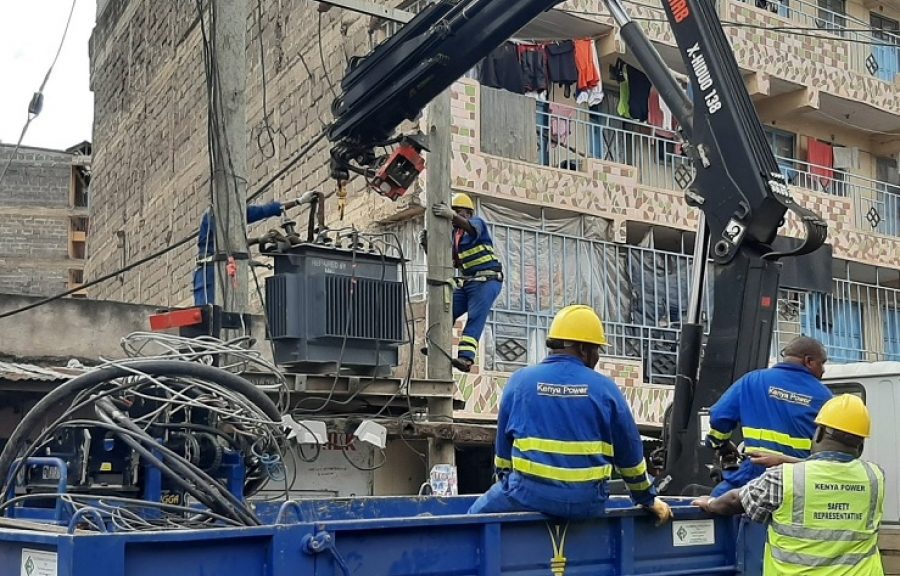
The employment opportunities cut across various sectors, including jobs for young people, mechanics, engineers, plumbers and construction workers.
The nationwide projects have also created demand for building materials, transportation, skilled labour and other services, providing business opportunities around construction sites.
The government therefore argues that the housing programme is creating an entire economic ecosystem around the construction sector rather than simply putting up residential units.
1.3 million register for homes
Interest from Kenyans has also been substantial.
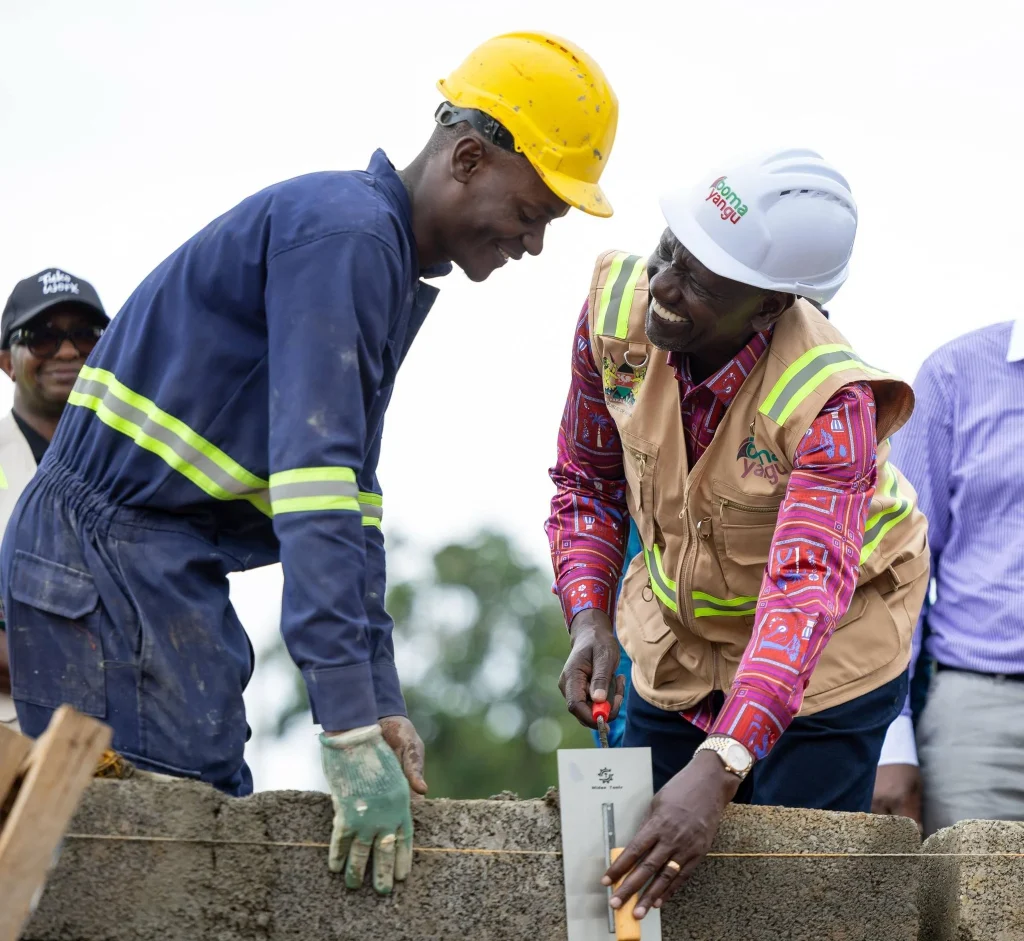
More than 1.3 million people have registered on the Boma Yangu platform to express interest in purchasing homes through the programme.
However, the number who have progressed from registration to applications and allocations is considerably lower.
Approximately 38,000 Kenyans have formally applied for homes, while about 11,000 have received allocations.
Around 5,300 families have already moved into their new homes.
The government has introduced measures aimed at making the houses more accessible to prospective buyers.
Among them is a reduction of the required upfront deposit from 10 per cent to five per cent.
It has also introduced payment restructuring arrangements for low-income buyers who encounter difficulties meeting their financial obligations.
The measures are aimed at addressing one of the programme’s central challenges — ensuring that houses constructed under the initiative remain within the financial reach of the people the scheme is intended to serve.
Parliament raises questions
Despite the reported progress, the programme has faced scrutiny in Parliament.
Lawmakers have raised concerns over procurement procedures, delays in implementation, the capacity of local contractors and stalled construction sites in some parts of the country.
Questions have also been raised over whether the rapid expansion of the programme is being accompanied by sufficient oversight and transparency in the management of billions of shillings collected from workers and employers.
The scale of the financial resources involved has consequently made accountability a key issue surrounding the programme.
As the country moves closer to the 2027 General Election, the Affordable Housing Programme is likely to face an even more intense political and public examination.
For the Ruto administration, its ability to demonstrate that the levy has translated into homes, jobs and broader economic opportunities will be an important measure of its development record.
For its critics, the programme’s financing model, affordability, transparency and the number of contributors who ultimately secure homes will remain central to the debate.
Read: Affordable Housing Beneficiaries Hail Improved Security, Lower Living Costs
>>> Farmers Credit Affordable Fertilizer and Better Infrastructure for Higher Yields













































![Pula Co-Founders and Co-CEOs, Rose Goslinga & Thomas Njeru. Pula provides agricultural insurance and digital products to help smallholder farmers manage climate risks, improve farming practices and increase their incomes. [ Photo / Courtesy ]](https://businesstoday.co.ke/wp-content/uploads/2021/01/Pula-Co-Founders-and-Co-CEOs-Thomas-Njeru-Rose-Goslinga.jpg)























































Leave a comment