

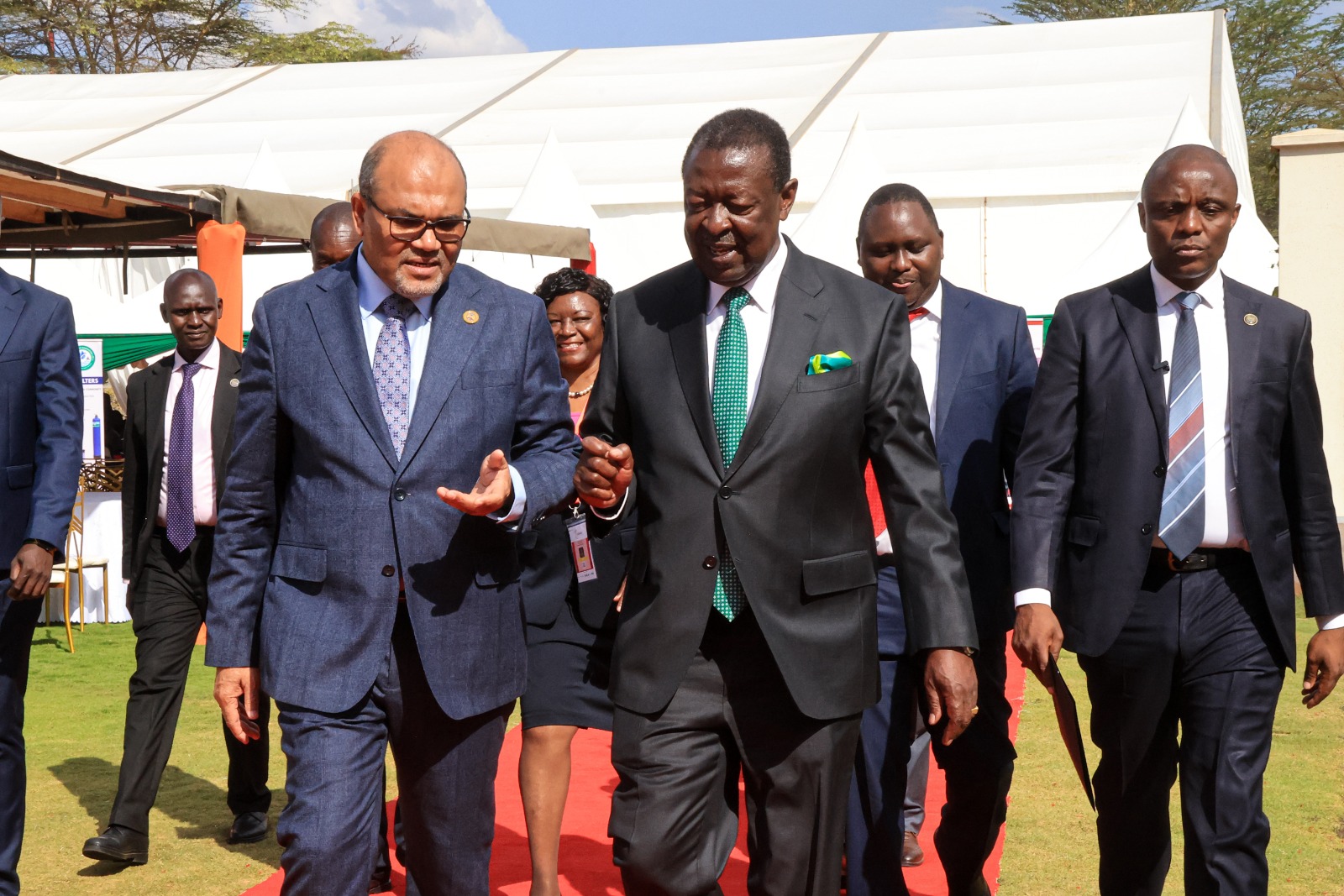
Prime Cabinet Secretary (PCS) Musalia Mudavadi has called for fresh tech innovations to give Safaricom’s M-Pesa a run for its money.
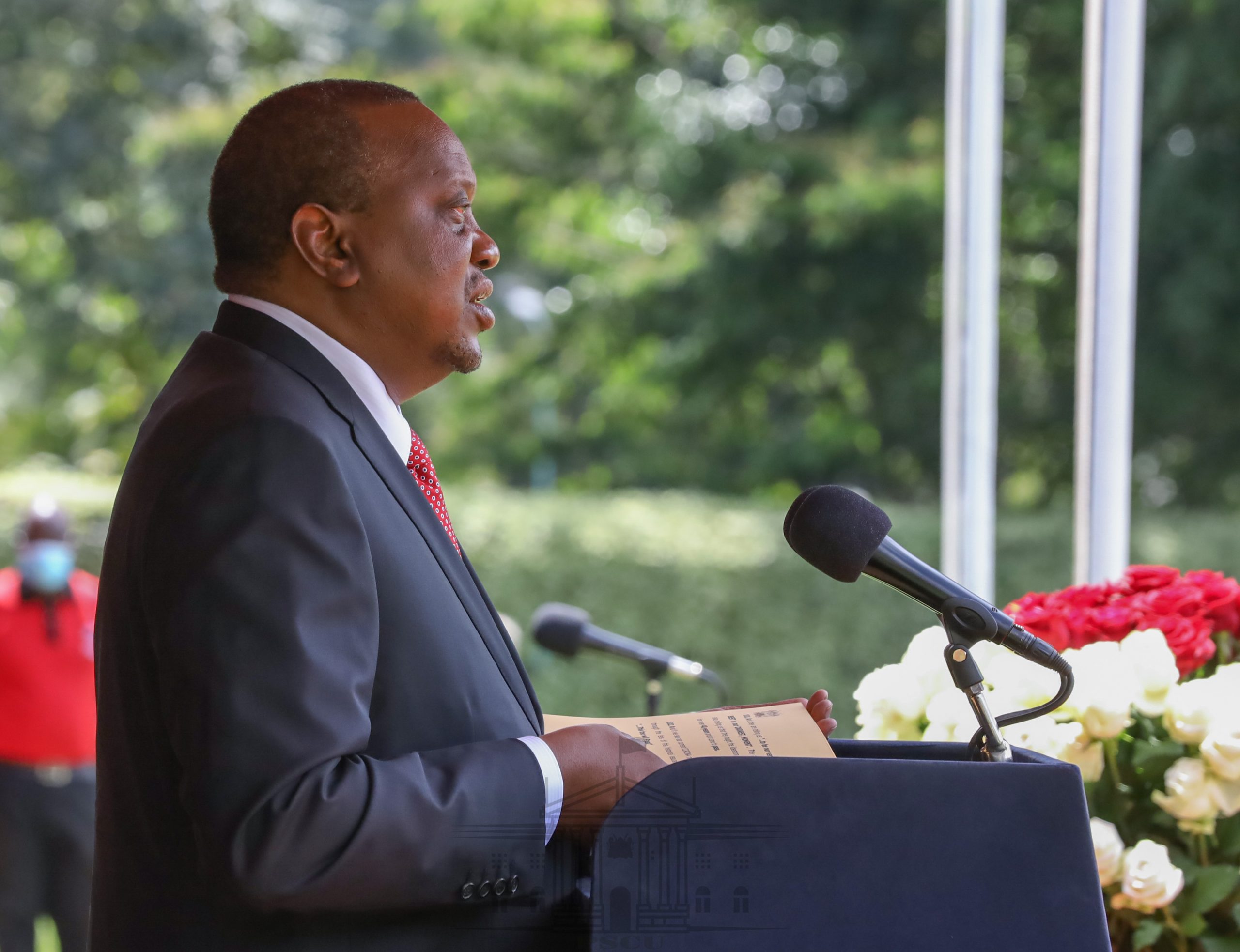
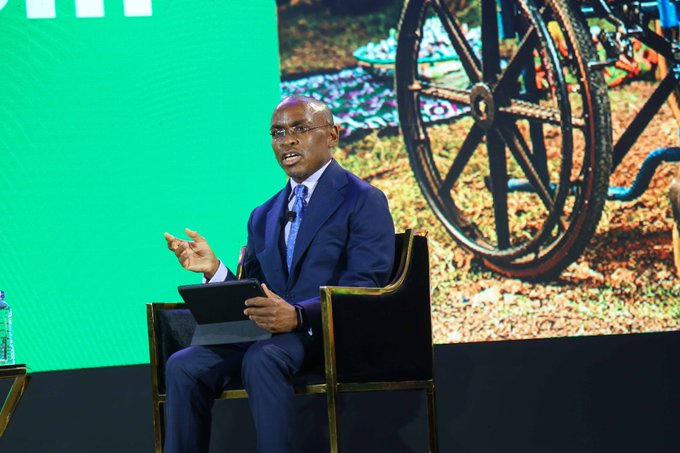
Speaking as the chief guest at the Africa Technology Leadership Conference, which concluded today, Friday, October 23, at a Nairobi hotel, Mudavadi noted that while M-Pesa remains a leading innovation in the region, much more work needs to be done to drive further competition and growth.
“mPesa is now (very) lonely, we need other innovations… We can do more,” CS Mudavadi said, begging the question, how many government officials actually bother to investigate why one player holds a monopoly, or actively help push silent competitors to wake up and innovate?
PCS Mudavadi cited the Safaricom-backed M-Pesa service as a classic case study of innovative private-sector delivery for the public. Like many great tech advancements, M-Pesa has successfully addressed the immediate challenge of financial inclusion in a seamless manner, notably by allowing users to send money between mobile phones in split seconds.
He also noted that hosting the conference, themed “Leveraging Science, Research and Innovation for Diplomacy, Capital and Execution”, demonstrates how tech and innovation can successfully turn ambitions into a strategic advantage.
He acknowledged the long progress the continent has made in solving its own problems saying, “We must move from importing solutions to building capabilities.”
For decades Africa has not been able to build tech and innovative systems that scale and has often been known for being consumers rather than creators of value-oriented solutions. But it is amazing how the continent has refused to backdown and now determined in building of solutions that are beneficial in the long run.
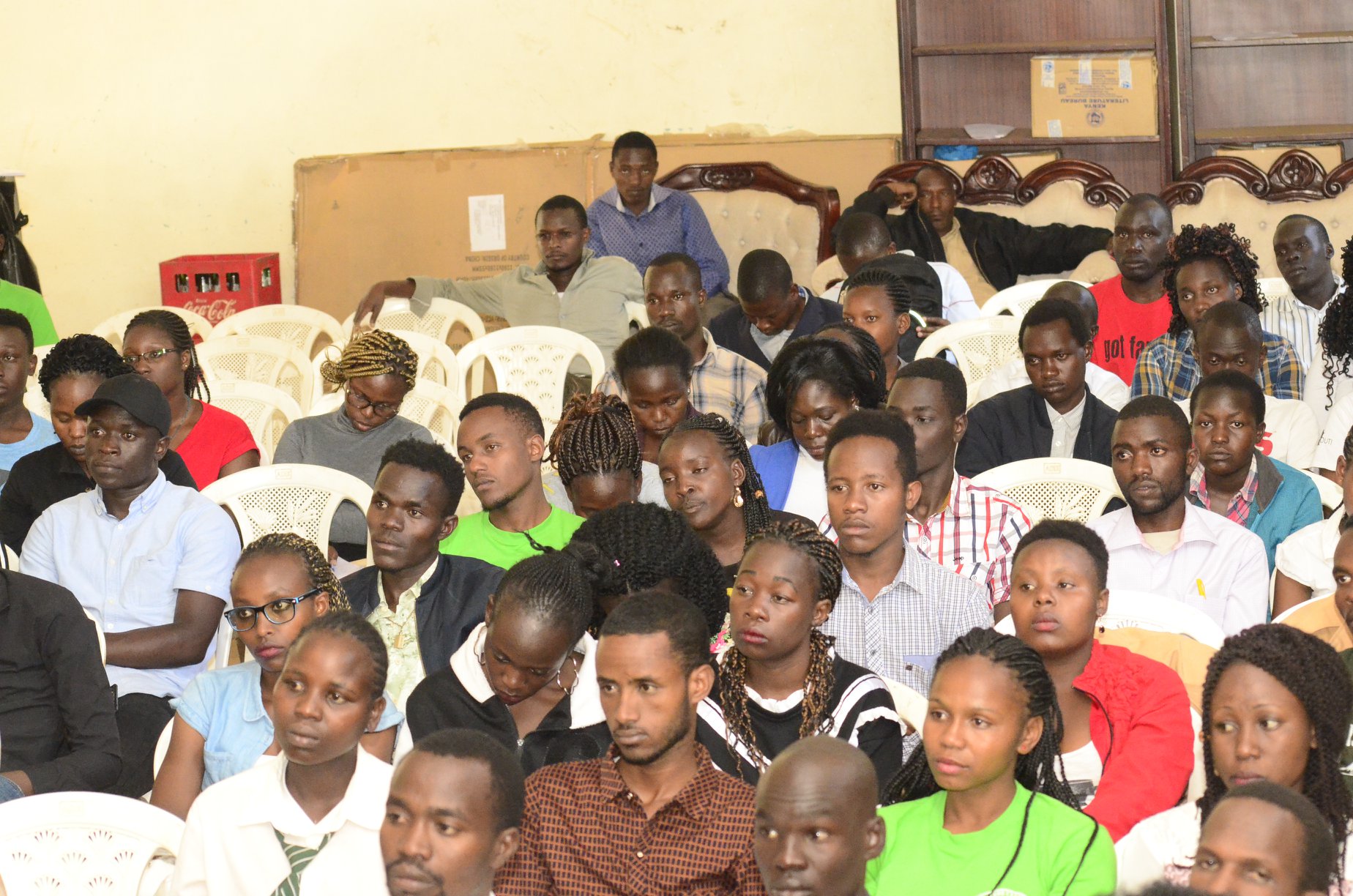
Prime CS’s call came first day of a tech event which attracted experts from diverse backgrounds such as academia, agribusiness, water, trade, diplomacy, journalism, finance, tech and more. The conference’s afternoon was a bit pact with conversations of how to shift from tech and innovation can solve problems and create employment…
Pauline Arunga, an international trade manager with Embassy of Israel based in Nairobi and have been mainly introducing investors from Israel to Kenya says there is a gap in what is being done in the academia and the industries. Ms. Arunga used Israel as case study citing defense tech, water tech, and agri tech as main exports. Kenya is mostly agri based GDP, but it seems the East African country has a challenge of commercializing on its agricultural output.
According to the Israel Innovation Authority’s 2026 Macrop Report, hi-tech exports account for 58 percent of Israel’s total national exports, generating about $85 billion.
“We are really in the deep waters, but we still have an opportunity to close the gap. And the disconnect is we don’t know how to structure our capital and partnerships with academia and industries,” Arunga says out.
She adds: “Copying what has worked elsewhere is the beginning of our failure. We will go to ‘Singapore’ but will Singapore work for Kenya,” Ms. Arunga poses.




























































































Leave a comment