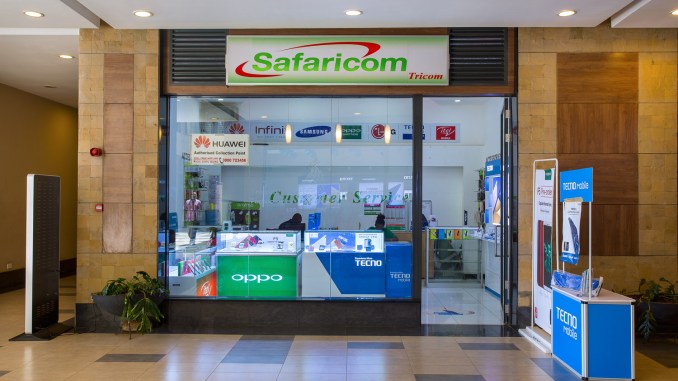
Safaricom Plc, which enjoys dominance in Kenya’s Telco’s business, is facing a state-owned EthioTel- which has sharpened its advantage and is on course to blow up all the investments that the Kenyan operator has sunk into the Ethiopian business.
According to an Ethiopia Telecom Market Assessment Report, while Ethio Telecom’s revenue has tripled and net profit grown almost fourfold since 2019, Safaricom has seen its losses of the Ethiopian subsidiary exceed its revenues by sixfold.
Safaricom coffers is emptying due to what the World Bank says is due to the heavy outlays on license fees, interconnection and infrastructures haring payments as well as the investment burden of a start-up operation.
Safaricom roadblocks in the nascent Ethiopian market
While Safaricom’s deep pocketed shareholders, who include UK’s Vodafone Group, Sumitomo, British International Investment (BII), and the International Finance Corporation (IFC), may be able to sustain these losses in the short term, the World Bank warns that Safaricom could consider exiting that market if the haemorrhage persists.
A study by the Ethiopian Communications Authority(ECA) revealed that EthioTel has dominance in five markets and that EthioTel and Safaricom are each singly dominant in one further market—for wholesale mobile voice and SMS termination on their own networks.
Safaricom is suffocating from EthioTel’s apparent abuse of dominance noted by its consistent pricing of its voice minutes below the wholesale cost price. There is also possible evidence of abuse in EthioTel’s offer of discounts for monthly bundles for those that purchase using the local Ethiopian currency- telebirr.
Safaricom also asserts that EthioTel is pricing its data bundles below cost. This is harder to prove or disprove, because there is no credible cost model and, in any case, EthioTel does not use industrial cost accounting.
Certainly, Ethiopia’s prices for data bundles, and per GB, are well below the average for Sub-Saharan Africa, but these costs are greatly buoyed by the recent devaluation of the Ethiopian birr.
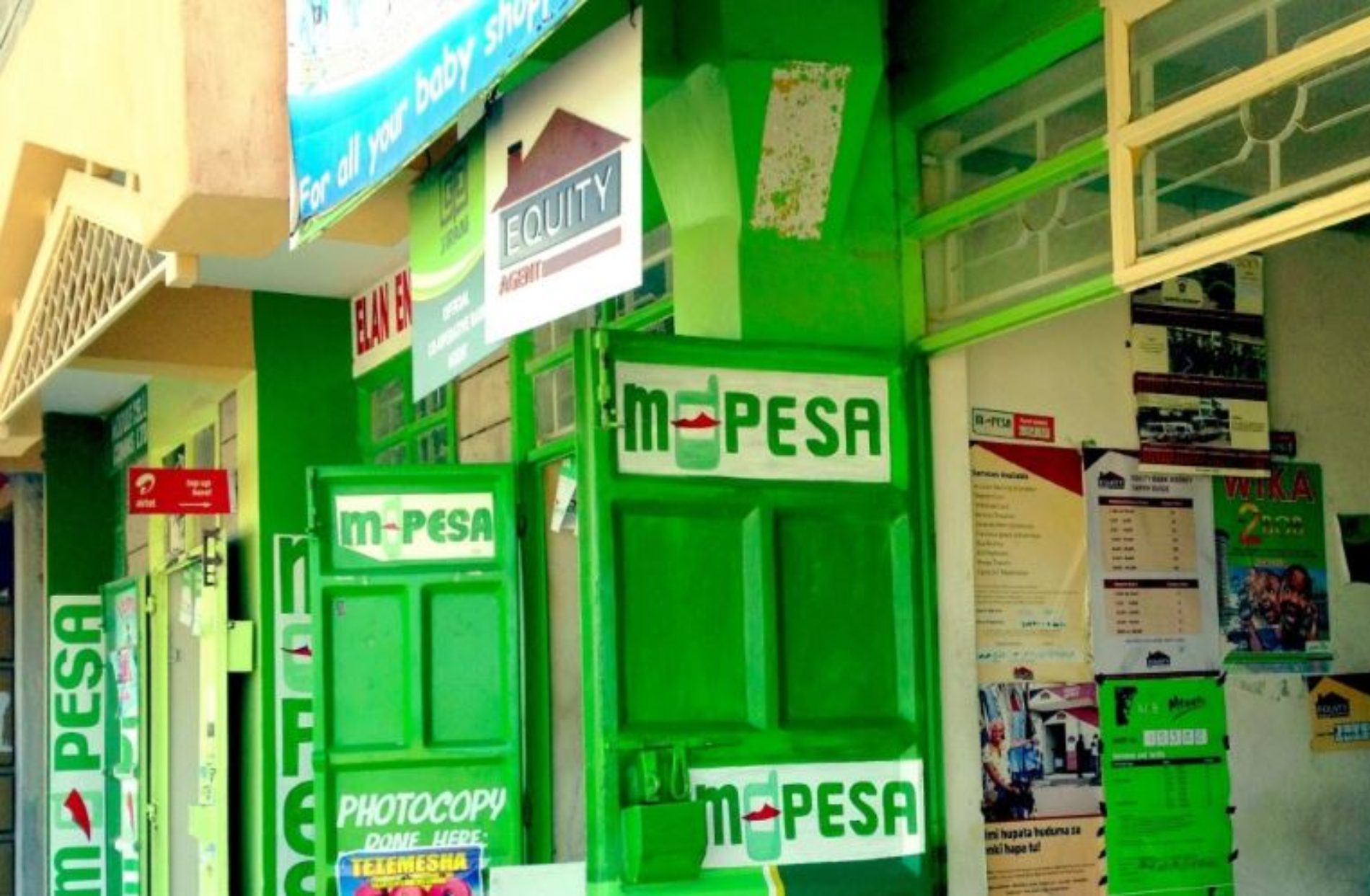
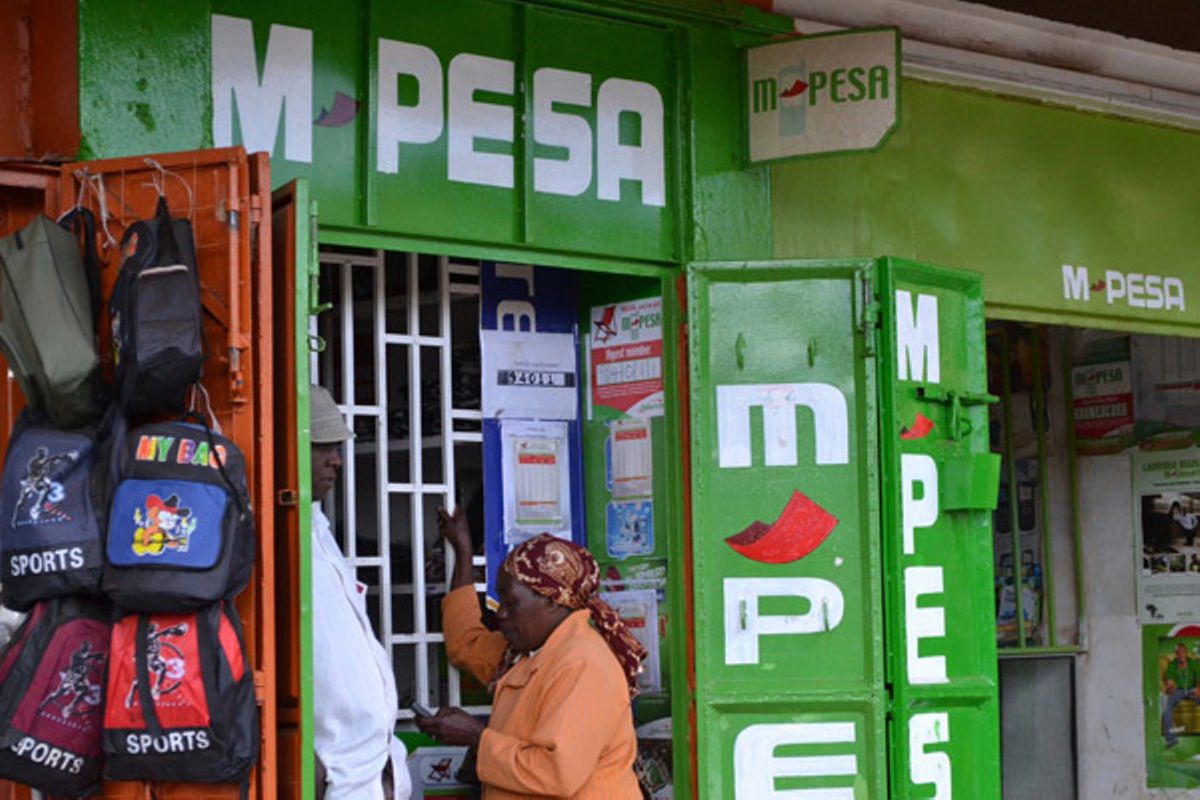
Furthermore, EthioTel is able to block its subscribers from accessing certain apps, such as M-PESA, using its state power to blow Safaricom out of the lucrative money transfer business.
EthioTel continues to dominate, with its total revenue reaching US$696 million in 2024, compared with Safaricom Ethiopia’s revenue of US$53.6 million (a 7.7 percent revenue market share).
The Kenyan telco giant saw its 2024 revenue plunge to US$53.6 million, not even enough cover the annual costs of its licenses, pegged at US$1 billion over 15 years, including mobile money, or US$66.7 million per year.
The World Bank report highlights concerns regarding heavy state subsidy of EthioTel’s revenue streams, and possible preferential arrangements for state-owned enterprises in handling government mobile money transactions.
A worrying recent development is EthioTel’s blocking of access to the Kenyan operator’s Apps, such as Mpesa for all. These concerns, the WB says, warrant further investigation by national authorities.
In its half-year 2025 financials, about 72% of Safaricom’s total revenue came from data services, compared to EthioTel’s 26.3%, suggesting that Safaricom is having more success in competing in data than in the voice market.
But this is where the good news ends.
The Kenya telco giant still faces challenges in infrastructure leasing, as it depends on EthioTel and Ethiopian Electric Power (EEP) for access to fibre-optic backhaul networks, as well as access to poles and underground ducts.
The Kenyan operator pays more than US$3 million per year to EthioTel alone for infrastructure rental.
This situation places pressure on Safaricom’s CAPEX, investment, which the company claims has totalled more than US$2.2 billion) while simultaneously increasing EthioTel’s wholesale revenue, reinforcing asymmetries in market structure.
The Kenyan mobile company relies heavily on leasing large portions of the backbone network from these existing players, which limits its flexibility and increases its costs.
EthioTel owns most of the country’s fiber-optic network, mobile towers, and transmission infrastructure, forcing new entrants to lease access, at dollar-denominated prices.
This dominant position, according to the WB assessment, over passive infrastructure creates barriers to competition by slowing the expansion of mobile and broadband services and discouraging potential investors—particularly for License B, which remains unattractive without an open infrastructure market.










































![Pula Co-Founders and Co-CEOs, Rose Goslinga & Thomas Njeru. Pula provides agricultural insurance and digital products to help smallholder farmers manage climate risks, improve farming practices and increase their incomes. [ Photo / Courtesy ]](https://businesstoday.co.ke/wp-content/uploads/2021/01/Pula-Co-Founders-and-Co-CEOs-Thomas-Njeru-Rose-Goslinga.jpg)