

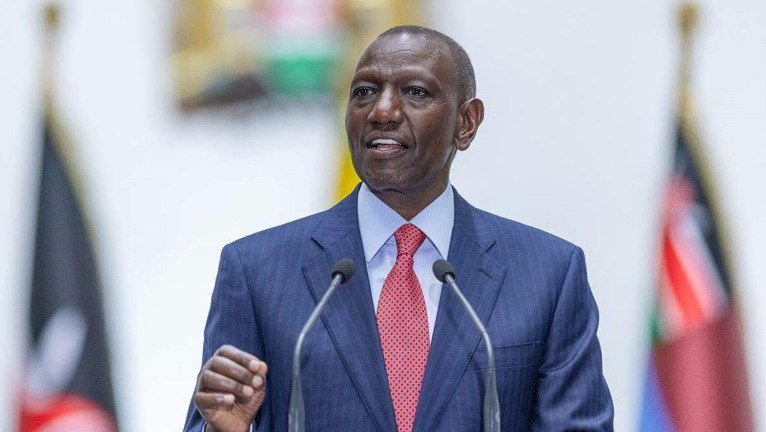
President William Ruto has said the development projects being implemented by his administration reflect some of the priorities championed by the late former Prime Minister Raila Odinga.
Ruto said the shared focus on infrastructure, housing and other development programmes was among the reasons he believed the two leaders had been able to work together under the broad-based government arrangement.
“I understand why it has been so easy for us to agree on moving our nation forward together. I am confident and sure that our brother Raila Odinga is proud of what we are doing because we are implementing the very projects that were at the heart of his plan.
I know that the housing project was central to Raila’s vision because he started it with slum upgrading in Nairobi, and it was in the manifesto on which he ran in 2022.
Matters of railways and the ring road were also in his plans, and I know for sure that Raila believed—in fact, he told us when we were in ODM—that if there is one thing we must do, it is infrastructure, infrastructure, infrastructure.”
Ruto recalls 2022 political pact with Raila
The President also reflected on his political contest with Raila during the 2022 General Election, saying the two had sought to shift Kenyan politics away from personality-driven and ethnic-based campaigns.
“I came here to express my sincere gratitude for your support since 2022. During that contest, the late Raila Odinga and I agreed to raise the standard of Kenya’s political leadership. We resolved that politics must no longer center on personalities, identity, or ethnic divisions, but rather on issues, programs, and a clear agenda to transform our nation.
Baba and I agreed to move away from political slogans, insults, and name-calling, anchoring our contest instead on our respective track records and a shared commitment to advancing Kenya to the next level.”
Ruto made the remarks while outlining his administration’s development investments in Nyanza, a region that has traditionally been regarded as a stronghold of the opposition.
Sh92 billion set aside for Nyanza roads
The President said government investment in the region had increased significantly since he assumed office, with road infrastructure receiving a major share of the funding.
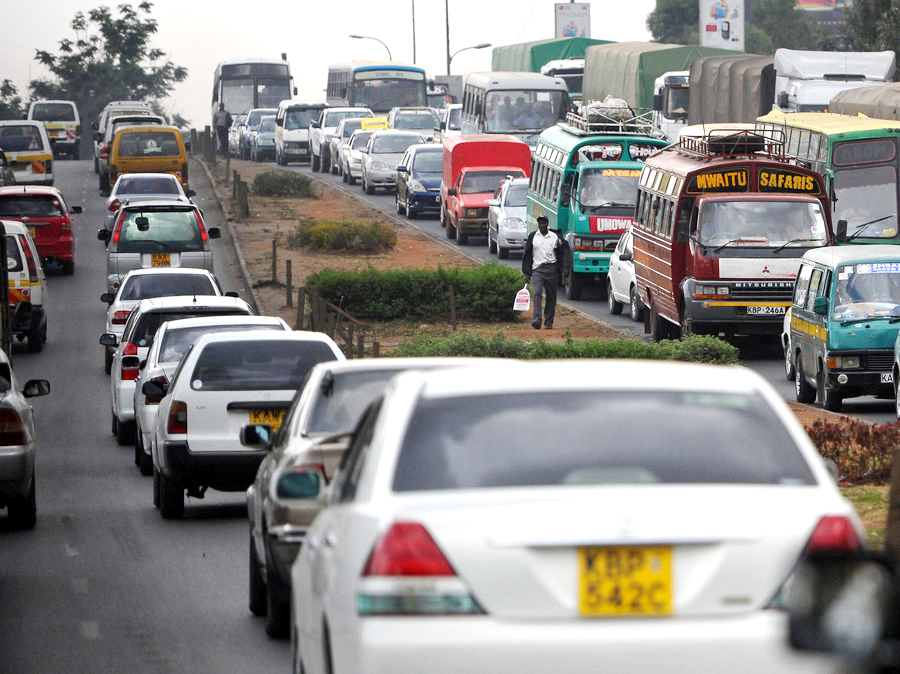
“I want to speak about our development programs and infrastructure investments here in Nyanza. As my brother John previously noted, our investment in Nyanza has increased tenfold since 2022, and we now have a budget of 92 billion shillings for road infrastructure across the four counties of Nyanza, up from just 10 billion when we came into office.
Additionally, in our housing, market, and hostel programs, we have allocated 135 billion shillings across the four counties of Nyanza, marking the largest budget in the Republic of Kenya dedicated to this region.
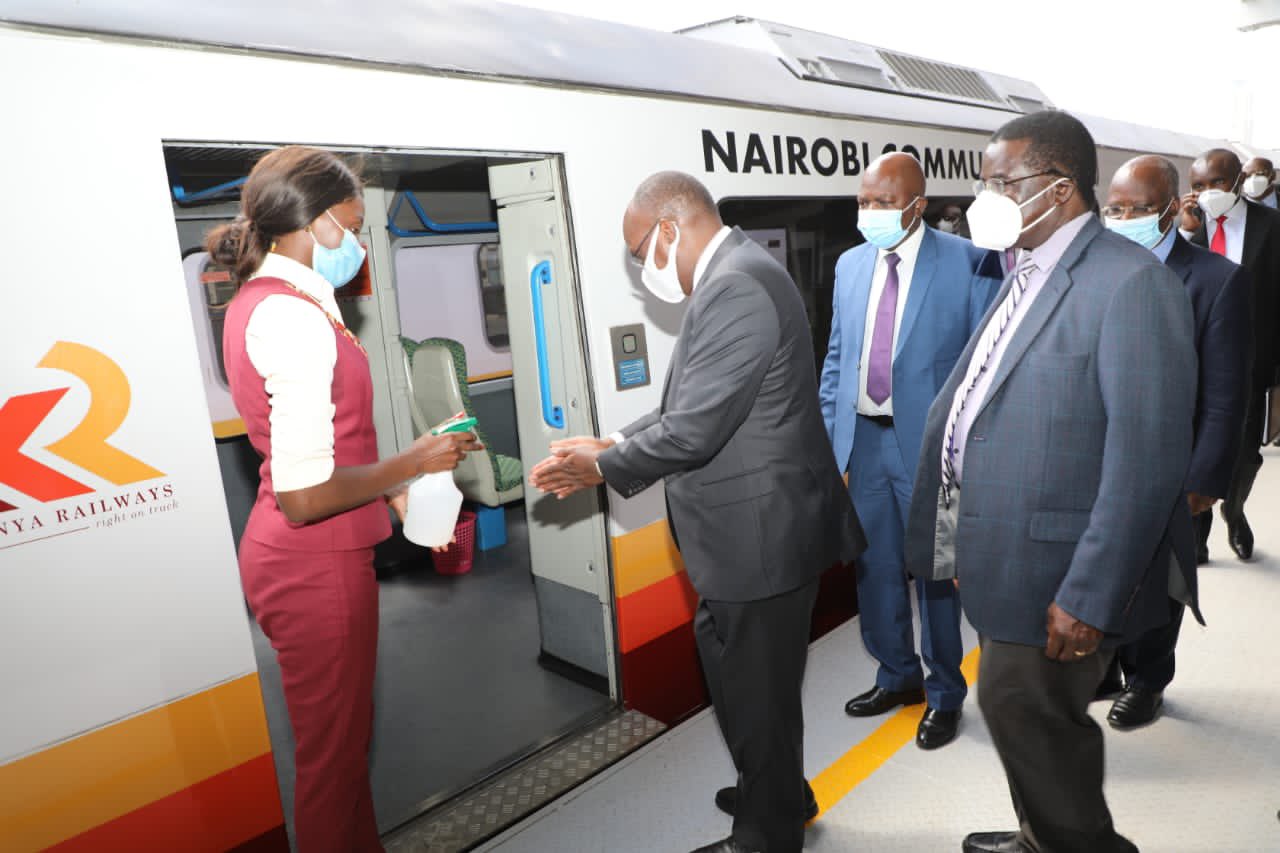
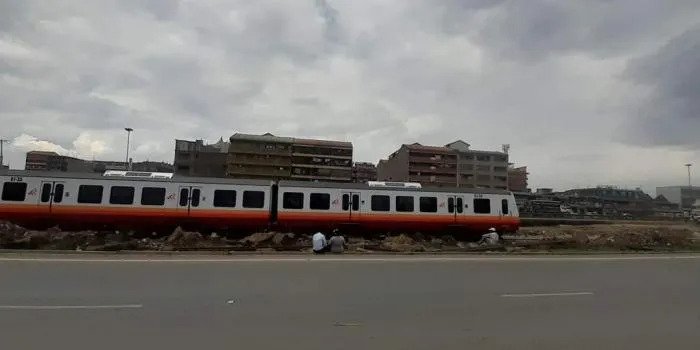
We have also agreed to revive the standard gauge railway project that stalled in Narok, a venture that will cost the Government of Kenya 3.3 billion dollars—about 450 billion Kenyan shillings—bringing the railway through Kisumu and Malaba to connect with Uganda.”
The proposed railway extension would form part of the government’s broader infrastructure plans aimed at improving transport links and facilitating trade within the region.
Ruto highlights electricity investment
Ruto also said the government was expanding electricity connectivity in Nyanza as part of its development agenda.
“I can proudly stand before the people of Nyanza today to say that because of our broad-based agreement to move forward together, we are investing in matters of development in Nyanza just like any other part of the Republic of Kenya.
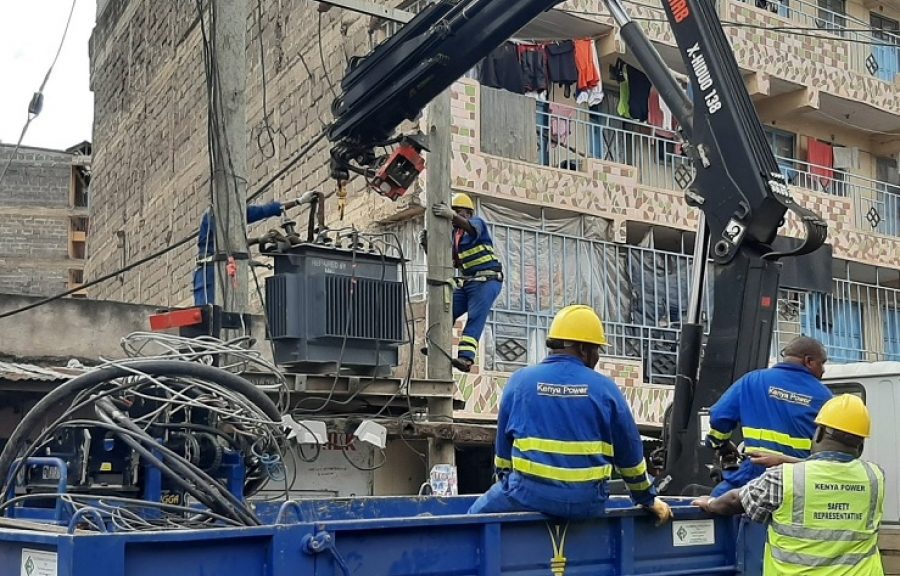
While in Kisumu, we are working on connecting electricity to reach 80,000 people here in Nyanza with a budget of 7.8 billion shillings set aside.”
The President’s remarks come as his administration continues to promote the broad-based government arrangement as a platform for bringing together leaders from across the political divide and accelerating development projects across the country.
Ruto’s reference to Raila’s development agenda also underscores the late opposition leader’s influence on the political and development discourse in Nyanza, even as the region adjusts to his absence following his death.
Read:
























![Pula Co-Founders and Co-CEOs, Rose Goslinga & Thomas Njeru. Pula provides agricultural insurance and digital products to help smallholder farmers manage climate risks, improve farming practices and increase their incomes. [ Photo / Courtesy ]](https://businesstoday.co.ke/wp-content/uploads/2021/01/Pula-Co-Founders-and-Co-CEOs-Thomas-Njeru-Rose-Goslinga.jpg)





















Leave a comment