

Acceleration in Inflation Largely Due to Adverse Weather Impact on Food Prices
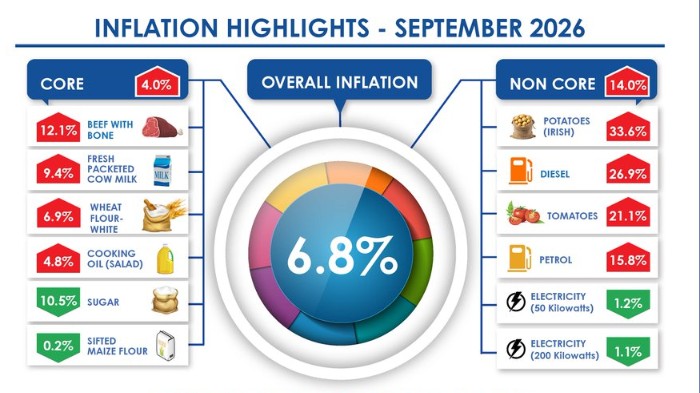
Kenya’s inflation rose to 6.8% in September due to food supply pressure and second-round effects from energy shock
Headline inflation was in line with what NCBA Economic Research had predicted, largely driven by adverse weather impact on food prices.
NCBA says supply pressure on non-volatile food items pushed core inflation up to 4%. Into fourth quarter (Q4), the outlook will be driven by uncertainties surrounding El Niño and geopolitics.
Annual headline inflation rose from 6.6% in August to 6.8% in September, while on a monthly basis, the consumer price index increased by 0.4%. Food inflation rose 9.5% annually relative to 9.0% in August.
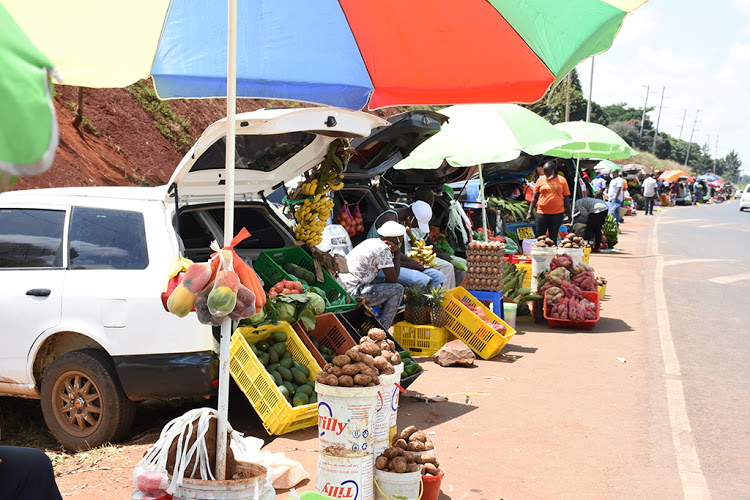
Vegetable prices recorded the largest increases, while higher milk prices due to the domestic dry spell added to the impact: potatoes (+33.6%), kale (+32.5%), cabbages (+25.8%), spinach (+23.1%), tomatoes (+21.1%), and oranges (+14.8%). Fresh unpackaged cow milk rose 7.7%, and long-life milk increased by 11.9%.
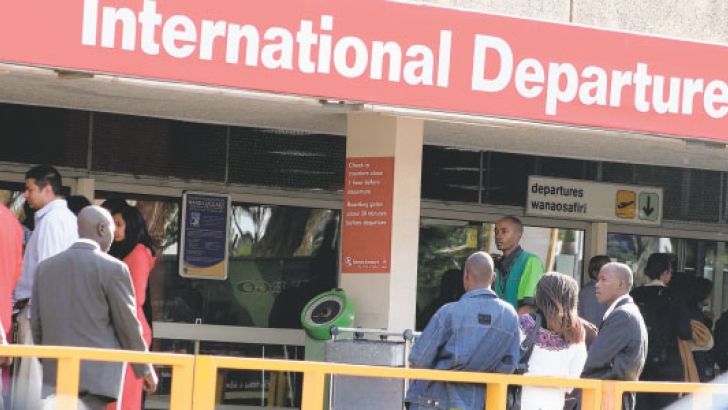
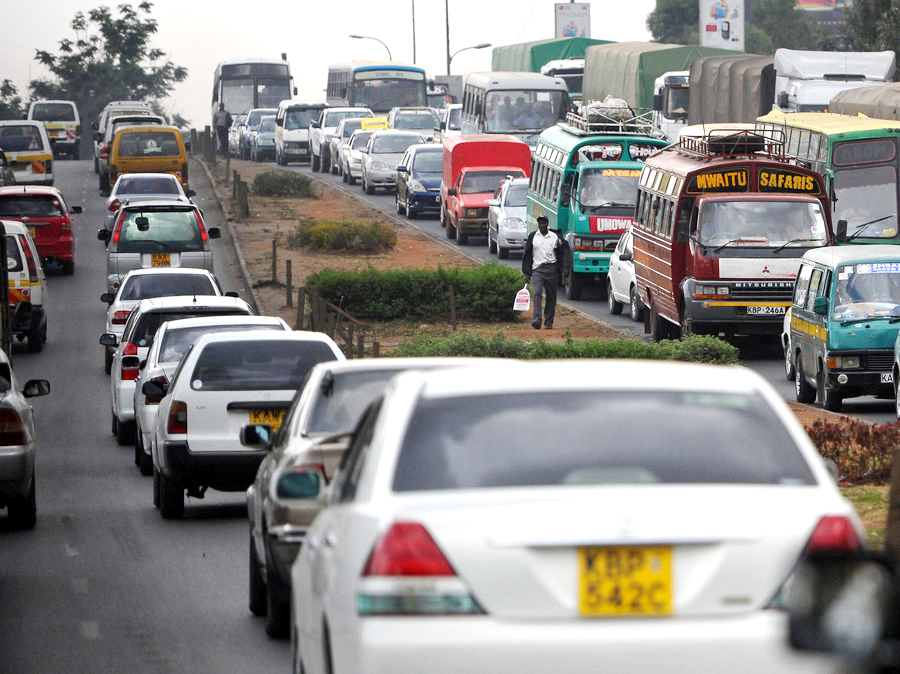
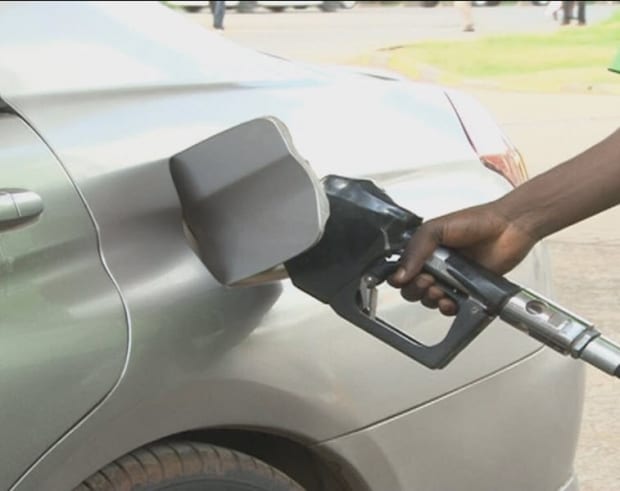
Due to high global energy prices, petrol and diesel cost surged 15.8% and 26.9% annually and transport expectedly followed the same path. The transport index rose by 15.6% reflecting a 20% increase in matatu fares and higher international flight cost. Although month-on-month, city/town matatu fares eased by 0.3%.
Supply pressure on non-volatile food items pushes core inflation up to 4% even as the non-core index eased to 14% from 14.7% in August, while the core inflation rose jumped from 3.4% to 4% largely due to pressure from food prices, suggesting persistent supply side pressure as the dry spell created shortage of beef and milk in the market.
However, the increase may be temporary as anticipated higher rainfall in the nearterm increases food supply. In the meantime, producers are expected to continue the transmission of higher energy cost to consumers.
Outlook driven by uncertainties surrounding El Niño, Geopolitics and global supply chain.
Into Q4, El Niño weather conditions will heighten risk of flooding which may further raise food and transportation costs.
On the global landscape, key commodities continue to face pressure from the outstanding US-Iran and RussiaUkraine wars, predominantly in energy, fertilizer and agriculture.
Supply of refined products such as
diesel is constrained amidst a wide cracking spread. Assuming the fuel subsidy and VAT reduction which expires in mid-October does not fall off, we expect headline inflation to average 7.0% in the near-term.

















































![Pula Co-Founders and Co-CEOs, Rose Goslinga & Thomas Njeru. Pula provides agricultural insurance and digital products to help smallholder farmers manage climate risks, improve farming practices and increase their incomes. [ Photo / Courtesy ]](https://businesstoday.co.ke/wp-content/uploads/2021/01/Pula-Co-Founders-and-Co-CEOs-Thomas-Njeru-Rose-Goslinga.jpg)


























































Leave a comment