


The National Treasury has proposed injecting an additional Ksh 72.9 billion into Kenya’s education sector as the government prepares to spend more than Ksh 857 billion on schools, universities and training institutions in the 2027/2028 financial year.
The proposed spending would push the education budget from Ksh 784.5 billion in the current financial year to Ksh 857.4 billion, marking a 9.3 per cent increase.
The latest projections place education among the largest recipients of government funding, with allocations expected to cross the Ksh1 trillion mark within three years.
Figures contained in the 2027 Budget Policy Statement show that the sector could receive Ksh 942.3 billion in the 2028/2029 financial year before rising to Ksh1.016 trillion in 2029/2030.
The money will be distributed across several government departments, including basic education, higher education, technical training, research and the Teachers Service Commission.
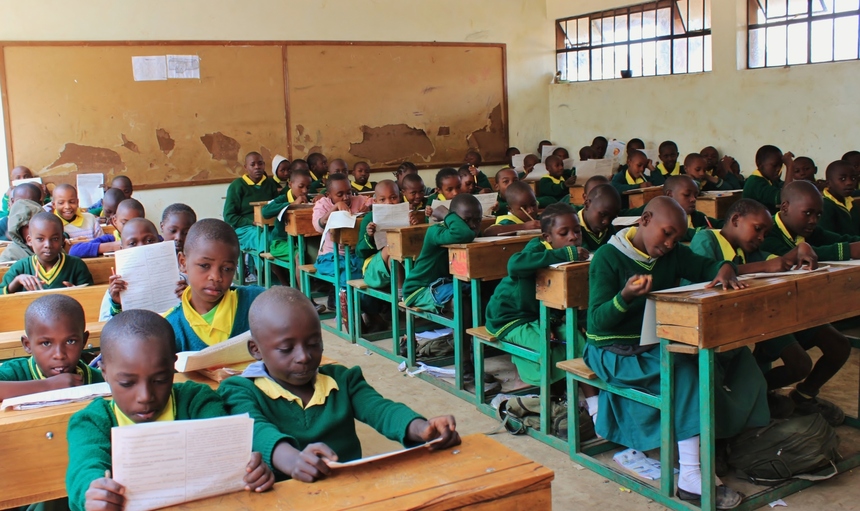
A significant portion of the proposed spending will go towards supporting the Competency-Based Education system, expanding learning facilities and addressing staffing shortages in public schools.
The government has also identified digital learning, school retention, inclusive education and the development of skills required by employers as priority areas.
However, the proposed increase comes at a time when several education programmes are seeking additional resources to meet their obligations.
Education programmes
Junior School, for instance, faces a projected capitation funding deficit of approximately Ksh23.5 billion in the 2027/2028 financial year.
The Basic Education department requires Ksh 54.23 billion to support approximately 3.58 million Junior School learners but has been allocated a proposed Ksh 30.72 billion.
Free Primary Education also faces a shortfall of nearly Ksh 3 billion. The programme requires Ksh 9.97 billion against a proposed allocation of Ksh 7.008 billion.
The figures were presented by Basic Education Principal Secretary John Ololtuaa during discussions with the National Assembly Education Committee.
Beyond school funding, the government plans to continue its teacher recruitment programme.
The Treasury says more than 100,000 teachers have been recruited since 2022, with another 116,000 teachers targeted for recruitment and development.
The Teachers Service Commission has also proposed hiring 20,000 teachers in the 2026/2027 financial year and converting 24,000 interns to permanent and pensionable employment in 2027/2028.
Technical training is another area requiring additional government support. The State Department for Technical and Vocational Education and Training has requested Ksh 84.129 billion for 2027/2028 against an allocation ceiling of Ksh 64.767 billion.
The difference leaves the department with a funding gap of approximately Ksh 19.36 billion, affecting its ability to meet all proposed spending requirements.
Meanwhile, government programmes supporting learners are expected to remain part of the education spending plan.
Capitation grants currently benefit more than 14 million learners, while the School Meals Programme reaches approximately 2.65 million children annually. Secondary school scholarships support another 34,000 learners each year.
The Treasury has also committed to supporting universities, research institutions and innovation programmes, alongside efforts to improve the connection between academic training and employment opportunities.
The proposed Ksh 857.4 billion allocation is part of the government’s medium-term expenditure framework. It will inform the preparation of the 2027/2028 national budget but is not yet a final approved allocation.























































Leave a comment