

For men living with advanced prostate cancer, the search for effective treatment can become increasingly challenging as the disease spreads or continues to progress despite conventional therapies. While advances in cancer care have improved treatment options, some patients eventually face difficult questions about what comes next.
A developing field known as theranostics is offering another avenue to explore. By combining specialised medical imaging with targeted radioactive treatment, this approach allows doctors to identify cancer cells with particular biological characteristics and use that information to guide therapy.
At The Nairobi West Hospital, the introduction of theranostics and Lutetium-177 PSMA therapy marks an important development in the range of treatment options available to eligible patients with advanced prostate cancer.
Central to this development is Dr William Olwit, Consultant Radiologist and Theranostics Specialist at The Nairobi West Hospital, whose work sits at the intersection of diagnostic imaging and targeted cancer treatment. Through theranostics, specialised imaging does more than reveal where cancer may be located; it can also help determine whether a patient is likely to benefit from a treatment designed to target those cancer cells.
The approach reflects a broader shift towards precision medicine, in which treatment decisions are increasingly informed by the biological characteristics of an individual’s disease.
When Prostate Cancer Progresses
Prostate cancer develops in the prostate gland, a small organ located below the bladder in men. Although some prostate cancers grow slowly, others can spread to nearby lymph nodes, bones and other parts of the body.
Treatment depends on several factors, including the stage of the disease, its rate of progression and the patient’s general health. Options may include surgery, external-beam radiotherapy, hormone therapy, chemotherapy and other medicines designed to control the cancer.
For some men, however, the disease eventually progresses despite treatment aimed at lowering testosterone, a hormone that can stimulate prostate cancer growth.
This stage is known as castration-resistant prostate cancer. When the disease has also spread to distant parts of the body, it is referred to as metastatic castration-resistant prostate cancer.
It is in this setting that Lutetium-177 PSMA therapy may offer an additional treatment option for appropriately selected patients.
For Dr Olwit and other specialists involved in theranostics, the process begins with understanding the disease at a more specific level: whether the cancer cells display a target that can be used to guide treatment.
How Theranostics Connects Diagnosis to Treatment
The term theranostics combines therapy and diagnostics. In practice, it describes an approach in which specialised imaging helps identify patients who may benefit from a corresponding targeted treatment.
In prostate cancer, the process often focuses on prostate-specific membrane antigen, or PSMA, a protein found in high amounts on the surface of many prostate cancer cells.
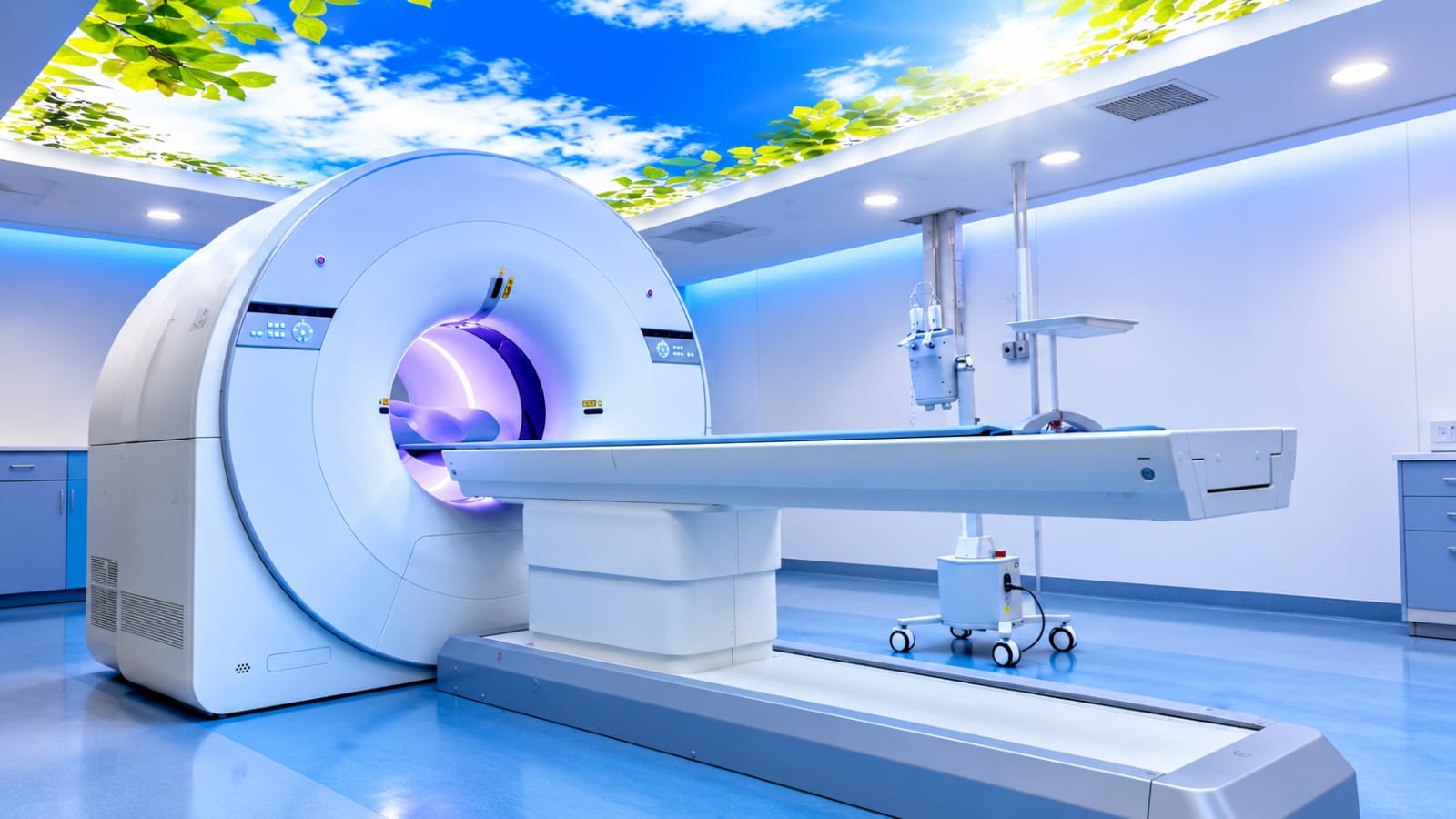
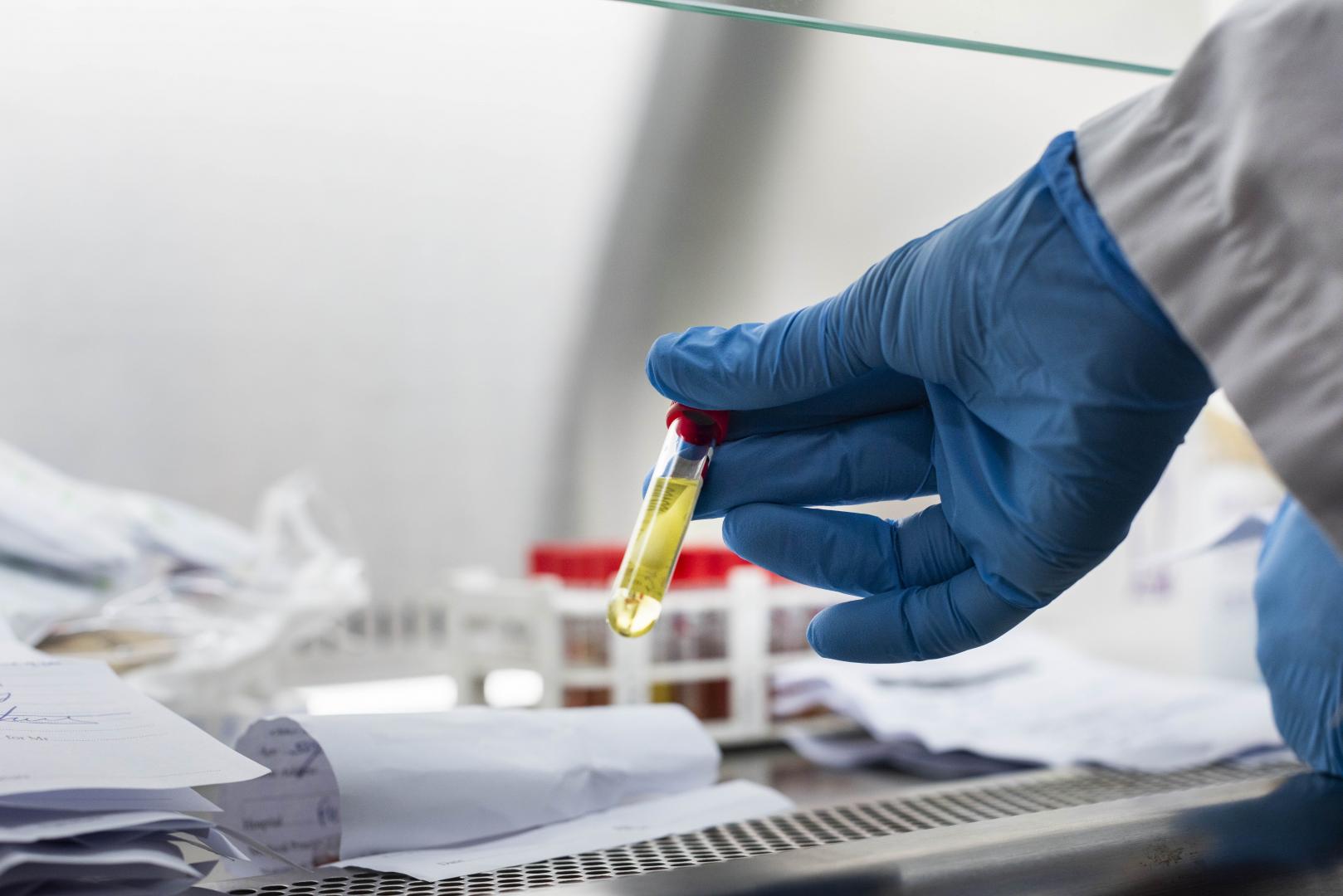
The first step is usually a specialised positron emission tomography (PET) scan using a radioactive tracer that binds to PSMA. The resulting images help doctors identify areas of cancer activity throughout the body and assess whether the disease demonstrates sufficient PSMA uptake for treatment to be considered.
This imaging assessment is a critical part of the process. Not every prostate cancer behaves in the same way, and not every patient will have disease suitable for PSMA-targeted treatment.
Where the findings are appropriate, doctors may consider Lutetium-177 PSMA therapy, which uses a molecule designed to seek out PSMA-expressing cancer cells and deliver radioactive material to them.
The imaging and treatment components therefore work together: one helps reveal the target, while the other uses that target to direct therapy.
For specialists such as Dr Olwit, this relationship between imaging and treatment is fundamental to the theranostics approach. It allows medical teams to use diagnostic information not only to assess disease, but also to inform decisions about a targeted therapeutic option.
Lutetium-177: Delivering Radiation to Cancer Cells
Unlike conventional external-beam radiotherapy, which directs radiation towards a defined area from outside the body, Lutetium-177 PSMA therapy delivers radiation through a targeted molecule administered to the patient.
Once the molecule attaches to PSMA-expressing cancer cells, Lutetium-177 releases radiation over a short distance. The radiation damages the cells and interferes with their ability to survive and multiply.
Because the treatment travels through the bloodstream, it can reach target-positive cancer deposits in different parts of the body, including the bones and lymph nodes. This makes the approach particularly relevant in advanced prostate cancer, where disease may no longer be confined to a single location.
The principle is one of targeted delivery: using a biological feature of the cancer to guide radiation towards areas of disease while limiting, as far as possible, exposure to surrounding healthy tissue.
However, the treatment is not entirely selective. Normal organs and tissues can also be exposed, and side effects remain possible. Careful patient selection, treatment planning and follow-up are therefore essential.
Who May Benefit From the Treatment?
Lutetium-177 PSMA therapy is not intended for every patient diagnosed with prostate cancer. Its established use includes selected patients with advanced, PSMA-positive prostate cancer, particularly metastatic castration-resistant disease, depending on the applicable treatment indication and previous therapies.
Before treatment is considered, specialists assess several factors, including the results of PSMA imaging, the patient’s previous cancer treatments, kidney function, blood cell counts and overall health.
The distinction is important. A patient with newly diagnosed, localised prostate cancer may be better served by established treatments such as surgery or radiotherapy. Lutetium-177 PSMA therapy is generally considered in more advanced clinical settings rather than as a routine first treatment for localised disease.
Even among eligible patients, outcomes can vary. The therapy is not a guaranteed cure, and its purpose is to help control the disease in appropriately selected cases.
Clinical evidence has shown that Lutetium-177 PSMA therapy can delay disease progression and, in suitable patients with advanced prostate cancer, improve survival. It may also help relieve cancer-related symptoms and preserve quality of life, although the benefits experienced by individual patients differ.
Possible side effects include fatigue, dry mouth, nausea and reduced blood cell counts. Because the treatment can affect organs such as the kidneys and salivary glands, monitoring before and after therapy is an important part of care.
These considerations reinforce the role of specialist assessment in determining whether the potential benefits outweigh the risks for an individual patient.
Expanding Access to Advanced Cancer Care in Kenya
The introduction of theranostics at The Nairobi West Hospital adds to the treatment options available within Kenya’s evolving cancer-care landscape.
For patients and families navigating advanced cancer, access to specialised investigations and treatment can involve considerable practical and financial challenges. Some may explore care abroad in search of options that are not readily available locally.
Making Lutetium-177 PSMA therapy available in Kenya may help eligible patients explore this treatment closer to home, potentially reducing some of the logistical burdens associated with travelling overseas. Actual access, however, will depend on clinical eligibility, affordability, availability and the capacity to provide the necessary specialist care and follow-up.
The development also highlights the importance of collaboration between radiologists, nuclear medicine specialists, oncologists and other members of the cancer-care team. Identifying a suitable treatment is only one part of the process; integrating it into a patient’s wider care plan is equally important.
In this context, the work of Dr William Olwit as Consultant Radiologist and Theranostics Specialist places him within a field that connects advanced imaging with emerging treatment possibilities. His specialist role at The Nairobi West Hospital reflects the growing relevance of image-guided decision-making in modern cancer management.
For referring doctors, patients and their families, understanding how the therapy works, who may qualify and what the treatment can realistically achieve will be essential as awareness of theranostics grows.
A New Option, Guided by Precision
The promise of theranostics lies in its ability to bring diagnosis and treatment closer together. Rather than relying solely on where a cancer appears on conventional scans, specialists can use information about its biological characteristics to help determine whether a targeted therapy is appropriate.
For men with advanced prostate cancer, Lutetium-177 PSMA therapy represents another option to discuss with their treating teams when established treatments are no longer sufficient or when the disease meets the relevant treatment criteria.
At The Nairobi West Hospital, the introduction of this approach represents a step towards expanding the range of specialised cancer treatments available to eligible patients in Kenya. Through his work in radiology and theranostics, Dr William Olwit is part of this developing area of cancer care, where the ability to identify a treatment target can help guide decisions about what comes next.
For patients facing advanced disease, the significance is not that one treatment will work for everyone, but that a more targeted option is now available to be considered for those who meet the clinical criteria. With careful assessment, realistic expectations and specialist supervision, theranostics may offer selected patients an additional opportunity to manage their disease and make informed decisions about their care.
























































![Pula Co-Founders and Co-CEOs, Rose Goslinga & Thomas Njeru. Pula provides agricultural insurance and digital products to help smallholder farmers manage climate risks, improve farming practices and increase their incomes. [ Photo / Courtesy ]](https://businesstoday.co.ke/wp-content/uploads/2021/01/Pula-Co-Founders-and-Co-CEOs-Thomas-Njeru-Rose-Goslinga.jpg)



























































Leave a comment