

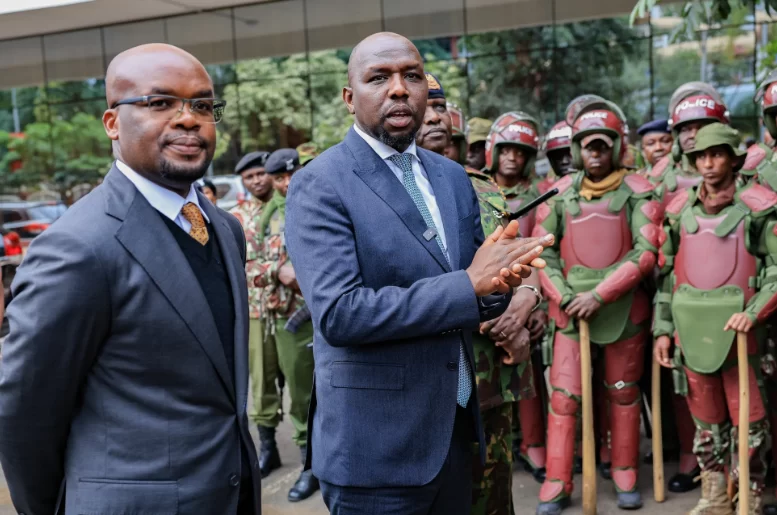
An internal report prepared for the Ministry of Interior in January 2026 has concluded that political violence in Kenya is largely organised and enabled by political actors rather than being spontaneous.
The document seen by Business Today states that historical and intelligence assessments indicate political elites deliberately mobilise supporters, including youth groups, to intimidate opponents, disrupt activities and assert control during politically sensitive periods.
It notes that past election cycles, including those of 2007–2008 and 2017, show clear links between political operatives and organised violent activity.
Patterns of Mobilisation
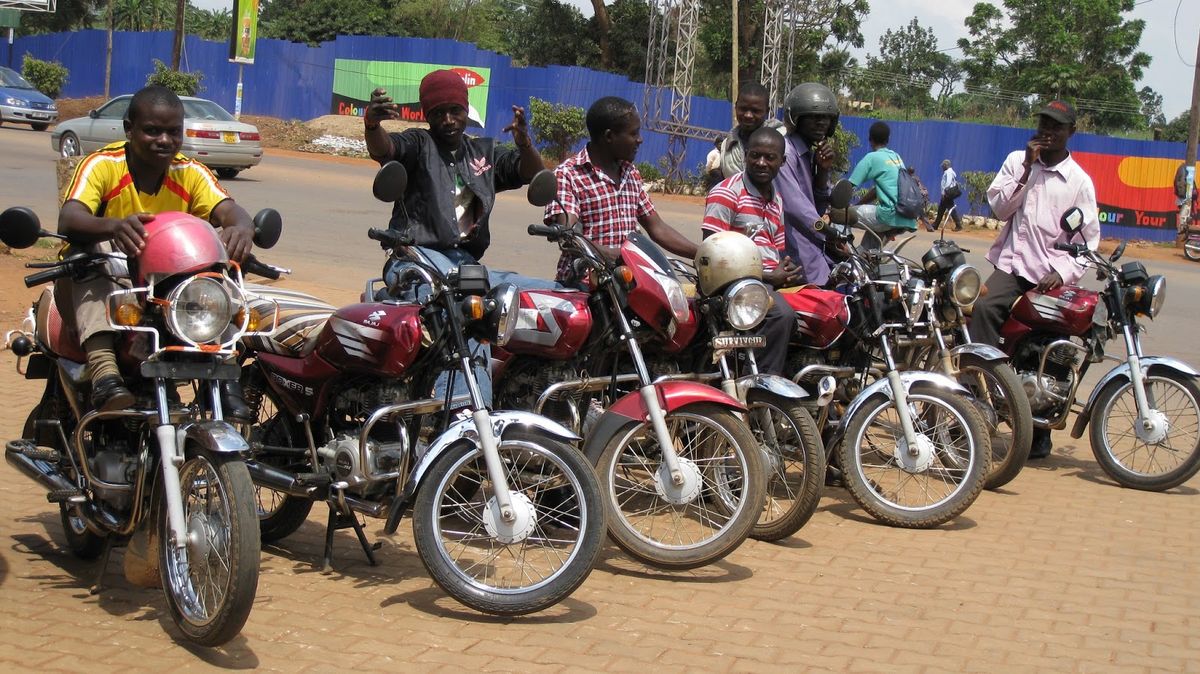
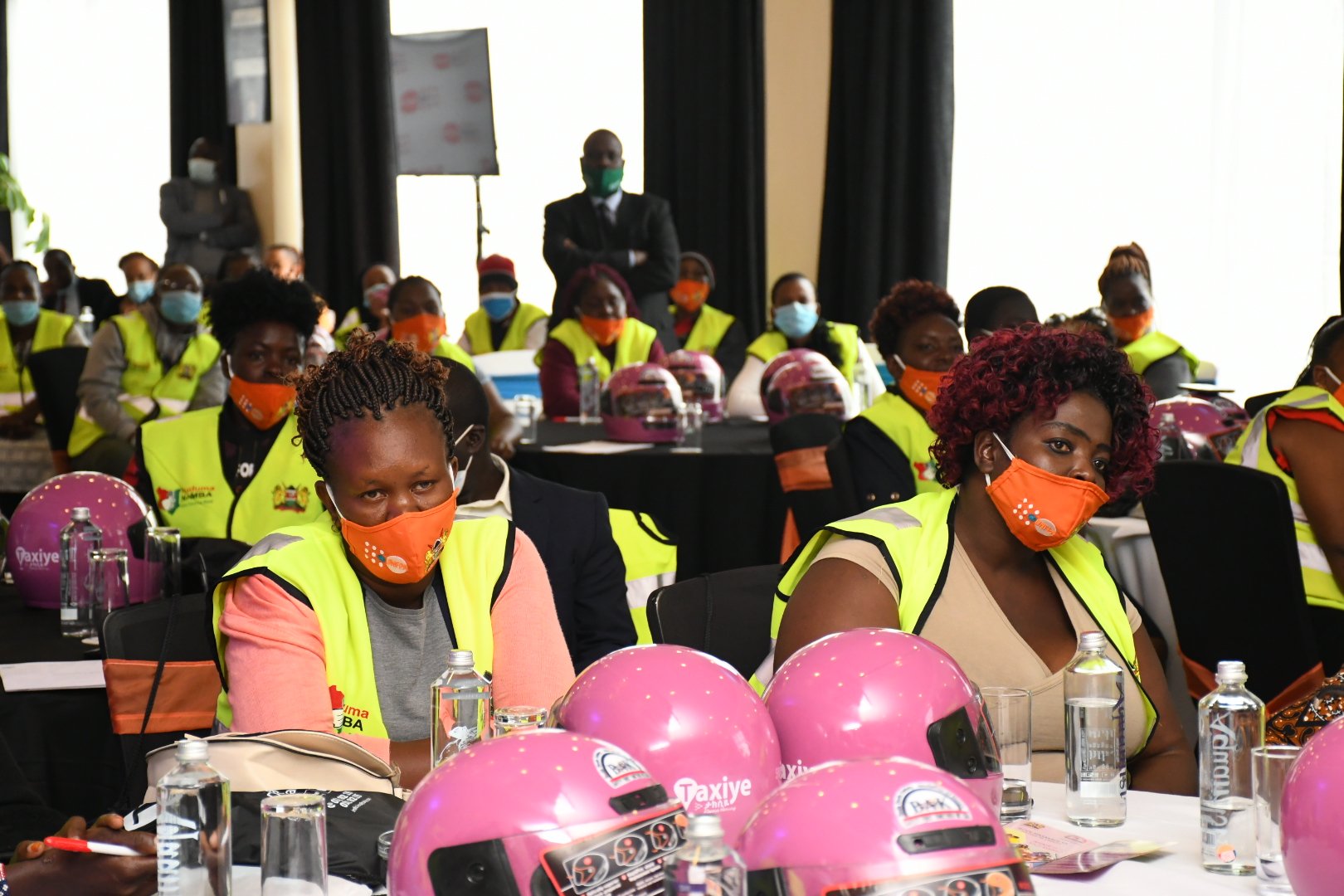
According to the report, groups primarily targeted for mobilisation include unemployed or underemployed youth, boda boda riders and casual labourers.
Recruitment is said to occur through informal networks that operate between mobilisation and militancy. During political events, these groups are often deployed to fill rallies, dominate public spaces, intimidate opponents or disrupt opposition activities.
Intelligence findings indicate that such deployment is pre-planned and, in many cases, covertly financed by political actors. The report adds that leaders often distance themselves after incidents occur, denying responsibility while the public attempts to reconcile observed events with official narratives.
Impact on Society
The report warns that the systematic use of political violence erodes public trust and accountability.
It further observes that young people are treated as expendable tools, reinforcing the perception that violence is a legitimate strategy for gaining or maintaining political power.
Ethnic and regional tensions are frequently heightened during such episodes, increasing the risk of escalation beyond political events and potentially destabilising communities.
Political Responsibility
The report assigns primary responsibility for preventing violence to political leaders. It states that leaders must actively ensure that party operations do not exploit vulnerable youth or encourage violent mobilisation.
Internal accountability mechanisms, it recommends, should be enforced to penalise members involved in intimidation or clashes.
The document also calls for monitoring and addressing political rhetoric that promotes fear, tribalism or coercion where evidence indicates incitement. Intelligence assessments cited in the report show that spikes in organised political violence correlate directly with political directives or tacit approvals from leadership.
Citizen and Community Role
While political actors are identified as the main drivers of violence, the report underscores that communities and citizens also have a responsibility to refuse participation in violent mobilisation and to report credible intelligence.
It cautions that silence or tolerance provides social permission for violence to persist and emphasises that community engagement is crucial in providing early warnings and preventing escalation.
Role of Security Agencies
The report calls on security agencies to enforce the law impartially and consistently, acting on intelligence to prevent mobilisation before violence occurs.
It stresses that enforcement must be predictable, fair and transparent in order to maintain public trust. Coordinated engagement between security agencies and communities is also recommended to improve early detection and intervention in potential violent mobilisation.
Among its recommendations, the report urges political leaders to take proactive steps to prevent violence and ensure accountability for affiliates. It also calls on security agencies to strengthen intelligence-led operations targeting high-risk mobilisation networks while maintaining impartial enforcement.
Communities are urged to actively reject participation in political intimidation and report threats to relevant authorities.
The report concludes that political violence in Kenya persists primarily because it is organised and enabled by political actors. It warns that addressing the problem will require coordinated action from leaders, communities and security agencies, adding that immediate interventions during the current political season are critical to prevent violence from becoming a recurring and destabilising feature of the country’s political landscape.
Read: 579 People Killed Across the Country by Mob Justice Since January 2025
>>> DCI Launches Probe Into Mob Killing During Linda Mwananchi Rally in Mbale




![David Ndii chairs the President's Council of Economic Advisers (CEA), and noted that he had shared his thoughts with President William Ruto. [Photo/ Standard]](https://businesstoday.co.ke/wp-content/uploads/2023/04/T0D3fkyPd7kqJ0Sm3Nad0fZo108FFNNu4k9tuWlr.jpg)






































![Pula Co-Founders and Co-CEOs, Rose Goslinga & Thomas Njeru. Pula provides agricultural insurance and digital products to help smallholder farmers manage climate risks, improve farming practices and increase their incomes. [ Photo / Courtesy ]](https://businesstoday.co.ke/wp-content/uploads/2021/01/Pula-Co-Founders-and-Co-CEOs-Thomas-Njeru-Rose-Goslinga.jpg)

















































Leave a comment