

On March 18, 2026, the world celebrated Global Recycling Day, a moment designed to recognize and promote the vital role recycling plays in preserving natural resources and ensuring a sustainable future.
While this day often passes as an environmentalist’s footnote, this year, it served as a stark reminder of why it is important for us to properly manage plastic waste and avoid indiscriminate dumping into waterways.
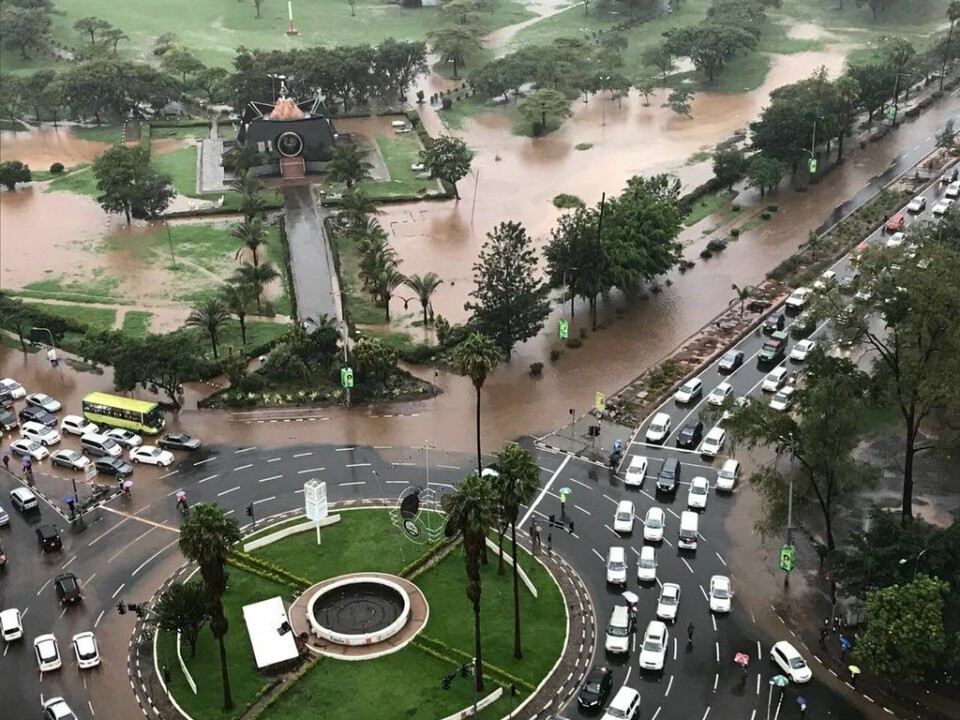
Throughout the month of March, devastating floods occasioned by heavy rains wreaked havoc across the country, leaving scores dead, thousands displaced and several critical infrastructure destroyed.
While climate change has been the primary driver of these extreme weather patterns, Winnie Muchomba, a risk manager at First Assurance, observes that the severity of urban flooding in cities like Nairobi has been exacerbated by a man-made menace: waste.
“Our drainage systems are the arteries of the city, yet they are frequently choked by plastics and unmanaged refuse,” says Muchomba.
“When these arteries are blocked, even moderate rainfall turns into catastrophic flash floods,” she adds.

For the Kenyan insurance industry, Winnie says that the flooding crisis demonstrated why championing for a circular economy and supporting better urban waste management is of importance.
In 2024, Kenyan insurers paid out over Sh5 billion in flood-related claims.
“Today, as we face another wave of destruction, insurers are already bracing for a fresh surge of claims across motor and property classes,” says Muchomba.
Indeed, the math is becoming unsustainable. As the frequency and intensity of these events increase, insurers are forced to raise premiums, making protection unaffordable for the very people who need it most.
If the insurance industry wants to stop bleeding capital to floods, Winnie says that it must look beyond the claim form and toward Environmental, Social, and Governance (ESG) integration.
Insurers must move from mitigating the impacts of extreme weather by playing a reactive role—paying after the loss—to becoming a proactive driver of resilience.
By advocating for and investing in circular waste management, insurers can directly reduce the physical risk of urban flooding. Every ton of plastic recycled is one less ton potentially blocking a Nairobi culvert.
As massive institutional investors, insurers can direct capital toward recycling technologies, waste-to-energy projects and sustainable manufacturing, creating a more resilient economy.
Instead of replacing damaged items with new ones, insurers can promote repair, refurbishment, or recycling of materials following a claim. This reduces the carbon footprint of the insurance process itself.
Insurers can also promote sustainability by incentivizing businesses that protect local infrastructure— offering lower premiums to developers who implement waste-reduction and recycling programs.
Collaboration on governance with key partners such as the government and other stakeholders can help to ensure that urban planning and waste management regulations are not just written, but enforced.
Read: Why East Africa’s Health Insurance Future Depends On Better Systems, Not More Products
>>> Britam Whole Life Insurance Plan Offers Up to KSh100 Million Cover
















Leave a comment