

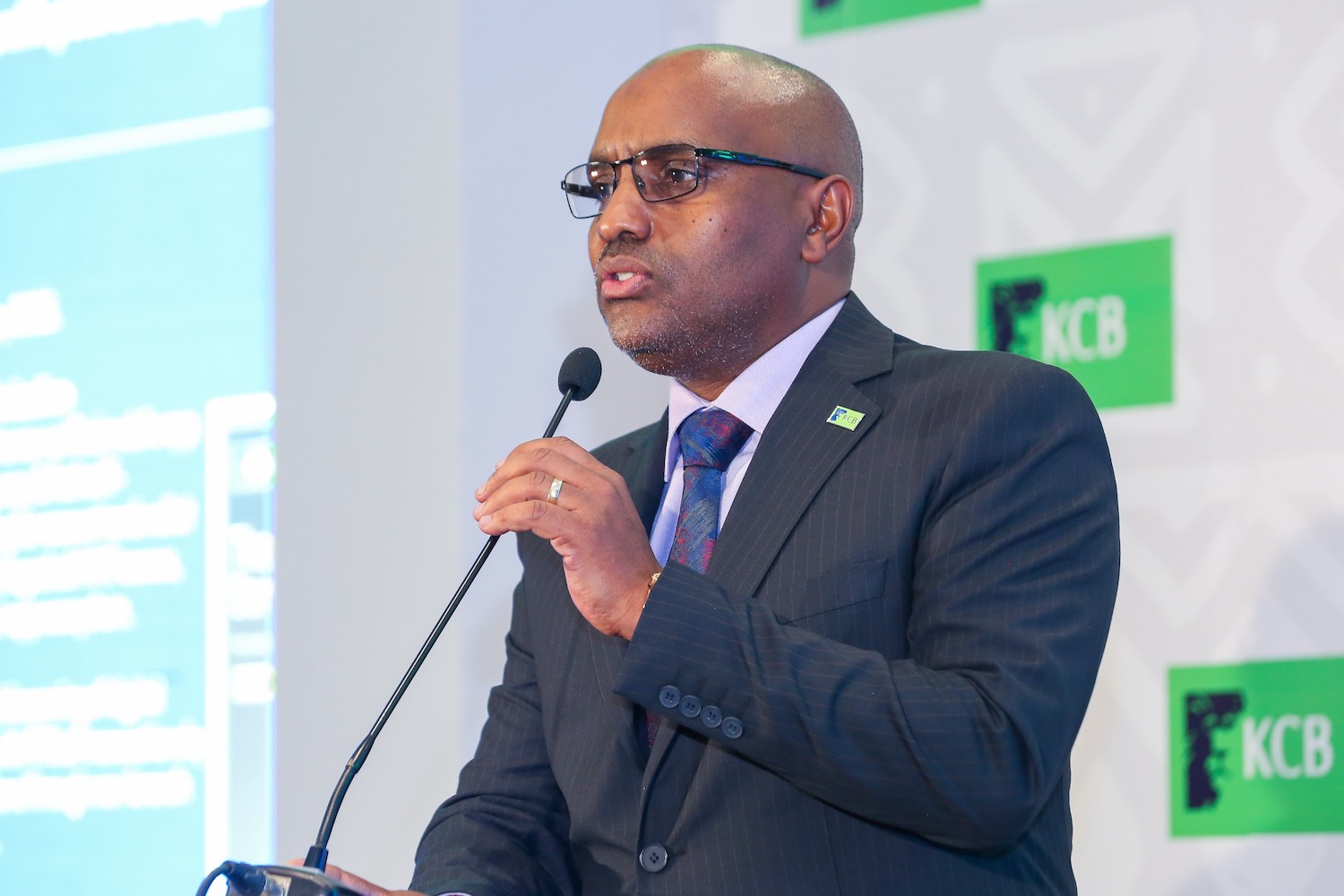
KCB Group recorded Ksh24.4 billion in pre-tax profit for the first quarter ending March 31, 2026, representing a 15.3% growth, compared to Ksh21.2 billion a similar period last year, underscoring the resilience of the Group’s diversified business model.
The improved performance, amid a difficult operating environment, was driven by 8.5% growth in total operating income to Ksh53.6 billion which mostly streamed from growth in interest bearing assets offsetting decline in Net Interest Margin. The sustained rate cuts by regulators in the region saw a drop in asset yield across all our markets in the period under review.
KCB Group balance sheet stood at Ksh2.3 trillion, expanding 10.8% on the back of increased customer activity across key business segments which pushed customer deposits up by 15.7%.
Excluding the impact of National Bank of Kenya (NBK), which the Group divested from in May 2025, year on year growth in pre-tax profit and operating income stood at 17% and 16% respectively. Subsidiaries excluding KCB Bank Kenya maintained strong performance, with their profit before tax making up 29.5%of the overall earnings and 31.5% of the balance sheet.
>> Top 10 Banks in SME Financing in Kenya
The three non-banking subsidiaries sustained their PBT contribution— KCB Bancassurance Intermediary (KShs. 209M), KCB Investment Bank (Ksh274M) and KCB Asset Management (Ksh 64M).
KCB Group Chief Executive Officer, Paul Russo said despite the challenging operating environment, the bank delivered solid growth driven by disciplined execution and continued investment in digital innovation. “We continued to optimize our regional footprint and scale to best serve our customers and create sustainable shareholder value,” said Mr Russo.
“While economic activity in East Africa remained resilient, we continued to see the impact of the Middle East conflict on economies, with a likely ripple effect of depressed credit demand, increased credit risk and lower remittance receipts, and on deposits.”
> Qatar Airways Enhances Flights in African Cities













Leave a comment