

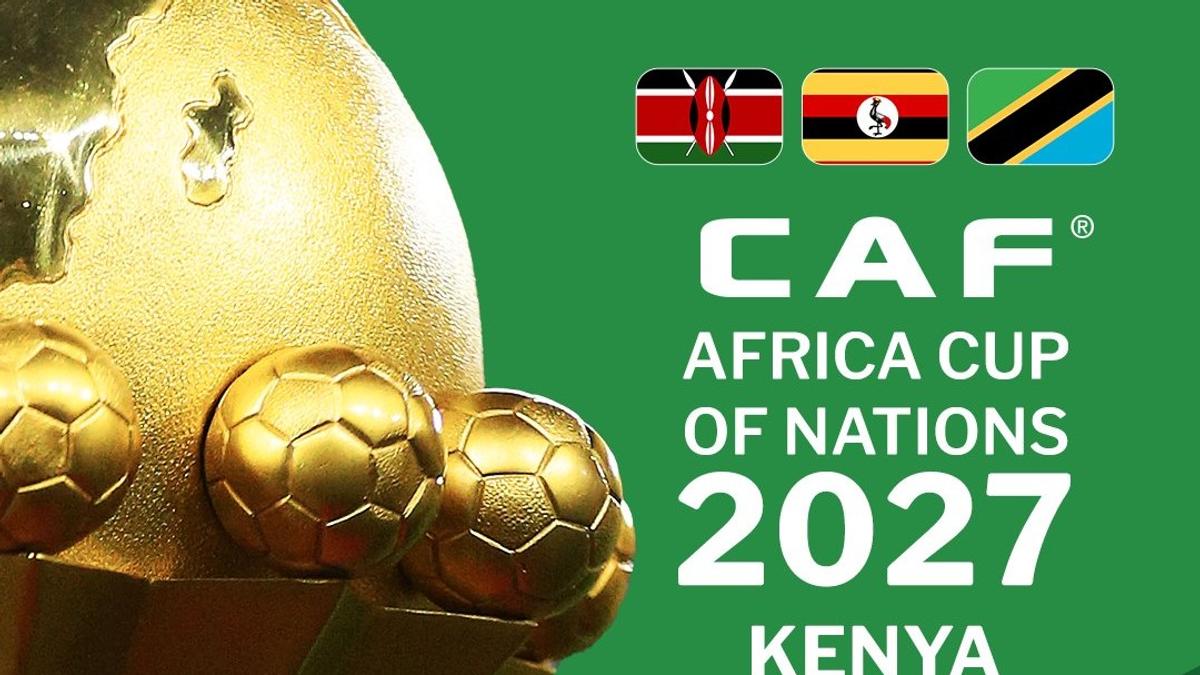
Kenya’s sports sector is heading into one of its biggest spending years yet, with the State Department for Sports asking Parliament to approve a Ksh 32.24 billion budget for the 2026/27 financial year as the country steps up preparations to co-host the 2027 Africa Cup of Nations (AFCON 2027) and roll out major infrastructure projects.
The proposal, presented before the National Assembly Departmental Committee on Sports and Culture, shows a sharp rise from the Ksh 25.49 billion ceiling that had earlier been set in the 2026 Budget Policy Statement. Principal Secretary Elijah Mwangi defended the revised figures, saying the increase is necessary to match the scale of ongoing stadium construction, sports programmes, and international commitments.
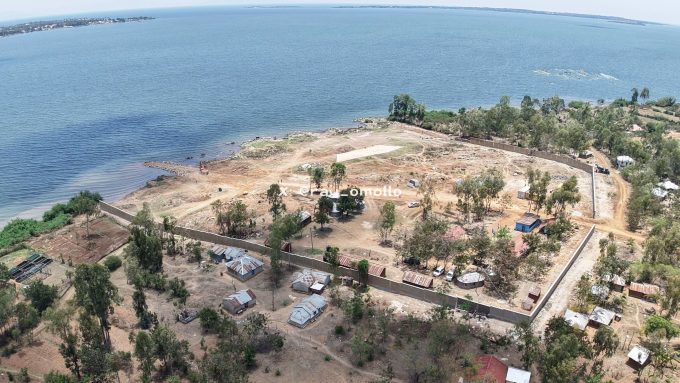
A major share of the budget has been directed toward development spending, which has now risen to Sh28.8 billion. This marks a strong shift toward infrastructure-heavy investment, especially as Kenya pushes to complete flagship projects such as the Talanta Sports City Stadium, which is expected to become a key venue for AFCON 2027 and a long-term hub for sports development.
Part of the proposal also sets aside Sh3.9 billion specifically for AFCON 2027 hosting obligations. These costs cover preparations tied to infrastructure readiness, coordination with regional partners, and ensuring Kenya meets its commitments as a co-host of the continental tournament.
Funding will largely flow through the Sports, Arts and Social Development Fund (SASDF), with the department increasingly relying on betting taxes and lottery revenues as Appropriations-in-Aid. This financing model has become central to how sports development is being structured, especially as the government looks for alternative revenue sources beyond traditional budget allocations.
The department says the spending plan is aligned with the Bottom-Up Economic Transformation Agenda (BETA), with a focus on expanding access to sports, improving facilities at the grassroots level, and strengthening sports tourism. The broader goal is to position sports not just as entertainment, but as an economic sector capable of creating jobs, boosting tourism, and supporting youth livelihoods.
In its submission, the department emphasised this direction clearly, stating that “Kenya’s sports sector is being positioned not only for competition but also as an economic driver through infrastructure, tourism and youth talent development.”
It also outlined its institutional mandate, noting that the goal is “To provide leadership, co-ordination, and an enabling policy, legislative, regulatory, and institutional framework for sports development.”
Despite the ambitious expansion in funding, several agencies within the sector have raised concerns about financial gaps that could affect the delivery of their mandates. Among them are the Anti-Doping Agency of Kenya Anti-Doping Agency of Kenya, the Kenya Academy of Sports, and Sports Kenya.
The Anti-Doping Agency of Kenya has warned that continued underfunding of anti-doping programmes could expose the country to serious international compliance risks, especially as Kenyan athletes remain highly visible in global competitions. The agency argues that testing, education, and enforcement require stable and predictable funding to maintain credibility in international sport.
On its part, the Kenya Academy of Sports has pointed to limitations in talent development programmes, saying that more investment is needed to properly identify, train, and nurture young athletes across the country. Sports Kenya has also highlighted funding shortfalls that affect the maintenance and operation of existing facilities, many of which are already under pressure from heavy use and ageing infrastructure.
As the budget proposal now moves through parliamentary scrutiny, lawmakers are expected to weigh the ambitious infrastructure drive against concerns about sustainability, accountability, and whether betting-tax revenues can reliably support such large-scale commitments over time.
With AFCON 2027 drawing closer, the pressure is now on the government to show that the funding plan can translate into finished stadiums, improved grassroots systems, and a sports sector that delivers both medals and meaningful economic impact.








Leave a comment