BUSINESSOPINION

The Boardroom Storm at Nairobi Hospital as Politics Enters its Corridors

Share
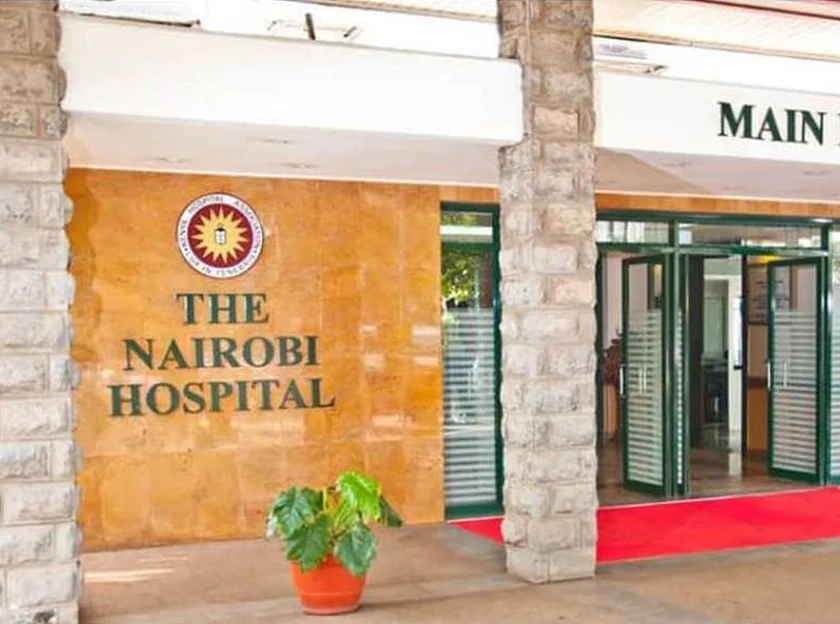
Narobi Hospital premises
Share

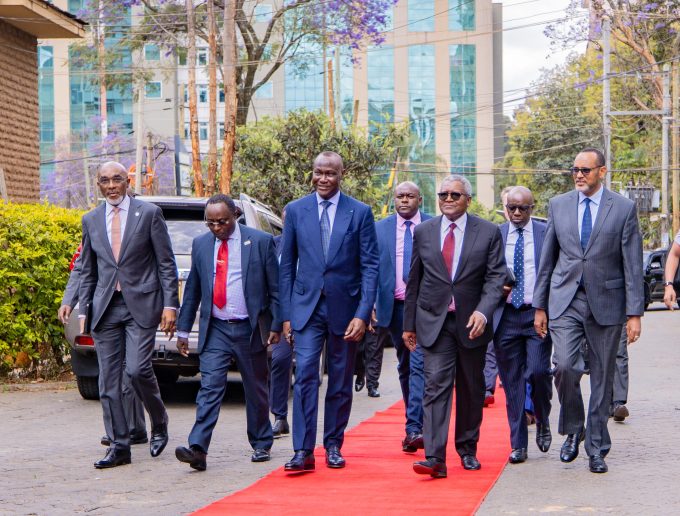
The crisis at the Nairobi Hospital has moved far beyond a routine governance dispute. What began as disagreements within the hospital’s leadership has evolved into a public matter involving court orders, criminal charges, political accusations and intervention from the State House.

At the centre of it all is a leadership struggle within the Kenya Hospital Association, the body that owns the hospital. The dispute has drawn in senior doctors, board officials, government agencies and politicians, including President William Ruto.

Governance crisis and court battles

The hospital’s leadership wrangles escalated when the High Court halted an Annual General Meeting over allegations linked to financial management and governance concerns. The court action came after petitions raised questions about alleged financial irregularities and institutional instability.

Separately, the hospital has faced ongoing disputes about board composition, leadership changes and procedural compliance. In previous statements, the hospital insisted that any board appointments or removals must follow proper constitutional procedures and formal resolutions. It warned that any communication not issued through official channels should be treated with caution.

Arrests, a missing board official

The situation intensified when senior officials linked to the hospital were charged in court over allegations including conflict of interest and financial matters. Reports confirm that board officials have faced criminal charges connected to the ongoing dispute.

Additional information indicates that the board chairman and other directors have also been charged over alleged conflict of interest issues.

In a dramatic turn, one board official was detained and later reported missing at some point during the crisis, before being found. News reports confirmed that a doctor linked to the governance dispute was reported missing and later located, amid the broader legal battle surrounding the hospital leadership.

These developments transformed what might have remained an internal disagreement into a national headline.

State House enters picture

As tensions rose, State House confirmed that President Ruto had stepped into the matter following appeals from stakeholders, including doctors and patients. According to official communication, the President intervened after being approached to help address governance and operational concerns.

State House also broke its silence, stating that it was addressing management disputes and takeover allegations surrounding the hospital, while emphasising transparency in any resolution process.

Critics, however, have alleged political interference. One political statement claimed that state agencies were involved in investigations and pressure around board restructuring, including claims of intimidation. These remain allegations reported in public statements and disputes, and they have been strongly contested by government officials.

In response, the government has maintained that its involvement is aimed at resolving governance challenges, not taking control of the institution.

Nairobi Hospital speaks

Amid the storm, the hospital has consistently sought to reassure the public.

In its latest statement, the hospital confirmed that it remains fully operational despite the leadership dispute, assuring patients, staff and stakeholders that services continue without interruption.

The hospital has previously emphasised that governance procedures must be respected and that leadership communications should come through official channels. It has also stated that it is committed to protecting its reputation, stability and long-term future through lawful and formal processes.

Politics and perception

Once political leaders enter a private institutional dispute, public debate follows. Allegations of takeover attempts have been made by some political actors, who argue that state pressure is being applied to influence board composition. These claims have been publicly denied by government representatives and remain part of an ongoing political dispute.

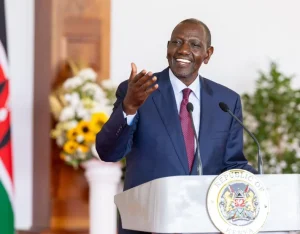
President William Ruto

This situation highlights a broader issue in Kenya’s governance landscape. Large institutions, even private ones, can become arenas where political influence, regulatory oversight and internal leadership conflicts intersect.

When that happens, clarity and communication become as important as legal strategy.

Political involvement in private institutional disputes should always be transparent and justified. In environments where public confidence is fragile, even the appearance of interference can generate debate.

Leave a comment

Leave a Reply

Your email address will not be published. Required fields are marked *

PAST ARTICLES AND INSIGHTS

Related Articles
IEBC said the colour coding would help voters and election officials distinguish between the different ballots as they cast their votes.
BUSINESS

IEBC Unveils Ballot Colours for 2027 General Election

Kenyan voters will have six differently coloured ballot papers and matching ballot...

Shoppers in a supermarket.
BUSINESS

Report: High Living Costs Push Kenyan Shoppers to Smaller Packs and Cheaper Brands

The Retail Trade Association of Kenya (Retrak) has warned that changing consumer...

SANLAM ALLIANZ
ANALYSISBUSINESSSTOCKS

Sanlam Allianz Kenya H1 Pre-tax Profit Drops 28% to KSh201.01Million

Sanlam Allianz Holdings(Kenya)PLC, a listed underwriter and non-banking financial institution, delivered a...

Sanlam Allianz profit 2025
BUSINESS

Sanlam Allianz Posts Ksh124.6M H1 Profit

Sanlam Allianz Holdings (Kenya) has recorded a sharp rise in its half-year...