

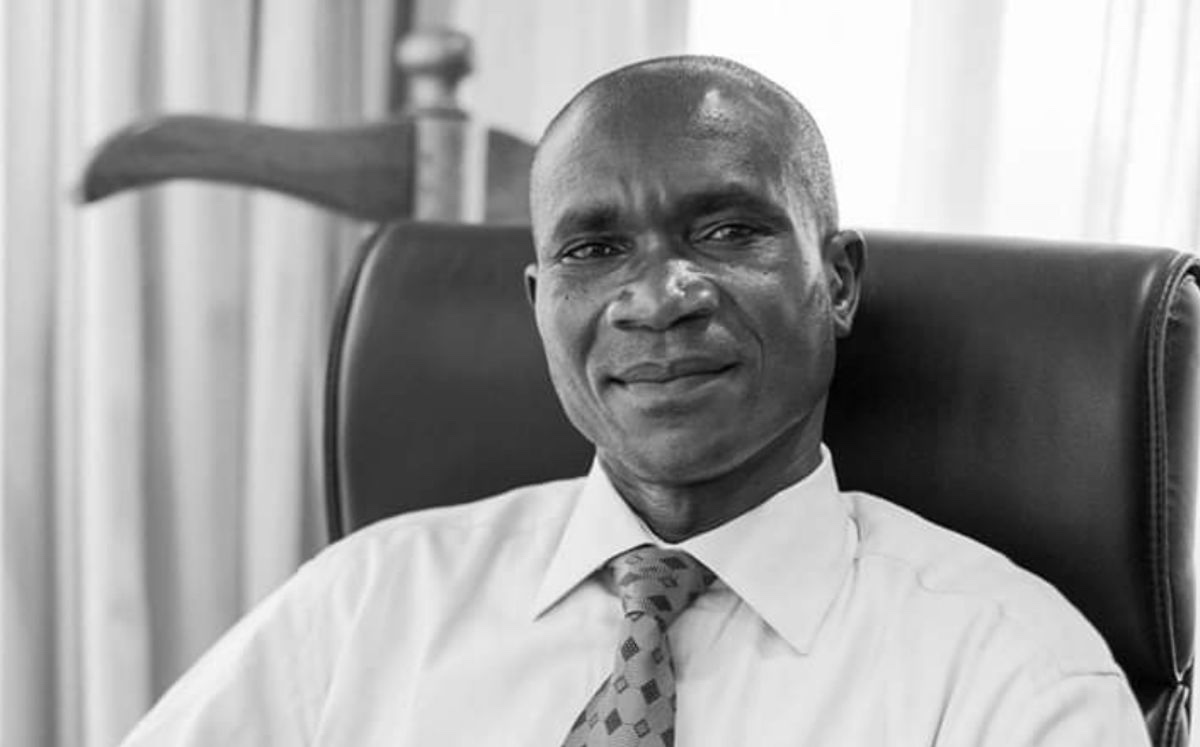
For many Kenyans, Dennis Onyango is a familiar face, though often seen in the background. For years, he served as the spokesman and one of the closest aides to Raila Odinga, standing at the intersection of politics, media and public perception. His recent appearance on Citizen TV offered viewers a rare glimpse into the private world of one of Kenya’s most consequential political figures and the men who worked closest to him.
Political histories are often written through speeches, election results, and public rallies. Yet, the people who spend years alongside leaders frequently possess a deeper understanding of their personalities, convictions, and struggles. Onyango’s reflections, therefore, provided more than nostalgia; they offered valuable insights into the making of a political legacy.
One of the most striking themes emerging from the interview was the idea of conviction. According to Onyango, Raila Odinga remained steadfast in his beliefs even when such positions appeared politically costly. In a political environment where alliances shift rapidly and expediency often trumps principle, Onyango portrayed his longtime boss as a leader guided by deeply held convictions. Whether one agreed with Raila’s politics or not, the image presented was of a man willing to endure setbacks in pursuit of what he considered larger national goals.
This portrayal is significant because Raila’s political career has been defined as much by defeats as by victories. Few Kenyan politicians have experienced as many highs and lows. From detention during the struggle for multiparty democracy to multiple presidential contests, Raila’s journey has been marked by resilience. Onyango’s account suggested that this resilience was not merely political calculation but a reflection of personal determination.
RELATED >> Inside the start-of-the-art Raila Odinga National Stadium
Another compelling aspect of the interview was the humanisation of a figure who has often appeared larger than life. Public personalities are frequently reduced to slogans, headlines, and political labels. Yet behind every public figure exists an individual with routines, habits, strengths, and vulnerabilities. Onyango’s anecdotes revealed a leader who was disciplined, demanding, and deeply invested in public affairs. Such stories help explain why Raila maintained political relevance across several decades and generations.
The interview also highlighted the often-overlooked role of aides and communication professionals in modern politics. The public typically sees the politician standing at the podium, but behind that moment lies a network of advisers, strategists, researchers, and communicators. As spokesman, Onyango occupied a particularly challenging position. His responsibility was not only to communicate policy and political decisions but also to manage narratives during moments of crisis.
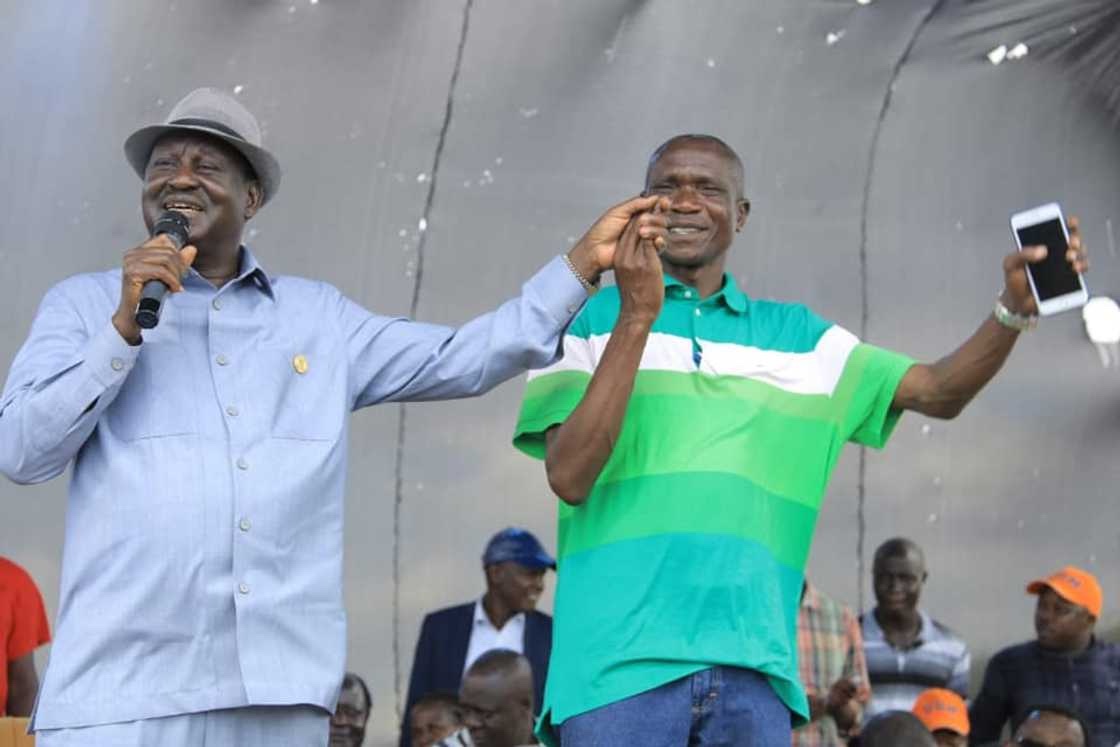
Political communication in Kenya has evolved dramatically over the last two decades. The rise of social media, twenty-four-hour news cycles, and digital activism has transformed how leaders engage with citizens. Onyango’s experiences reflect this changing landscape. The spokesman’s role increasingly requires speed, accuracy, and strategic judgment. Every statement can shape public opinion, influence political debates, and affect a leader’s reputation.
Perhaps the most important takeaway from the interview was the enduring value of institutional memory. Kenya’s political landscape changes rapidly, and public attention often focuses on the next election cycle. Yet individuals like Onyango serve as living archives of political history. Their recollections preserve lessons that might otherwise be forgotten.
The interview arrived at a time when many Kenyans are reflecting on leadership, governance, and the country’s political future. Younger generations, in particular, are increasingly questioning traditional political narratives and seeking fresh perspectives. In this context, Onyango’s reflections provided a bridge between past and present. They offered younger audiences an opportunity to understand not only the events that shaped modern Kenya but also the personalities behind those events.
Importantly, the discussion transcended partisan politics. While supporters and critics may interpret Raila’s legacy differently, the interview underscored the importance of understanding leaders as complex human beings rather than caricatures. Democracies benefit when citizens engage with political history thoughtfully and critically.
There is also a broader lesson about loyalty and service. In an era characterized by rapid political realignments, long-term professional relationships have become increasingly rare. Onyango’s years alongside Raila illustrate the trust, commitment, and shared purpose required to sustain such partnerships. Political loyalty is often viewed cynically, but the interview suggested that it can also be rooted in mutual respect and belief in a common cause.
SEE >> How Kenyan Media Will Thrive Without Raila Odinga in the News
Ultimately, Dennis Onyango’s appearance on Citizen TV was more than an interview about a political career. It was a reflection on leadership, resilience, communication, and history. Through his stories, viewers gained insight into the challenges of public service and the qualities required to remain relevant in a constantly changing political environment.
As Kenya continues to navigate its future, such reflections serve an important purpose. They remind citizens that behind every political movement, every campaign, and every historical milestone are individuals whose decisions, sacrifices, and convictions shape the course of a nation. Whether one views Raila Odinga as a hero, a reformer, a political strategist, or simply a significant figure in Kenyan history, Dennis Onyango’s account provided a valuable contribution to understanding the man behind the public image and the legacy he leaves behind.
Ashford teaches English and Literature in Gatundu North Sub-county.
NEXt READ > The Three Men Who Built Safaricom Into a Corporate Giant












Leave a comment