


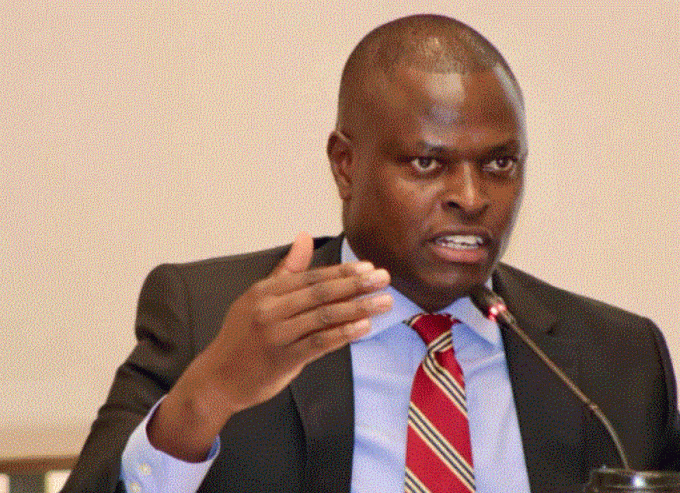
Kiharu MP Ndindi Nyoro has stepped up pressure on the government with a detailed plan he says could quickly lower fuel prices and ease the burden on struggling households.
In his latest remarks, Nyoro argued that the high cost of fuel in Kenya is largely driven by heavy taxation, not global oil prices, and called for immediate action to reverse some of the measures introduced in recent years.
“The drastic increment in fuel prices is unacceptable; a more humane variation must be made by reducing the pump prices now,” he said.
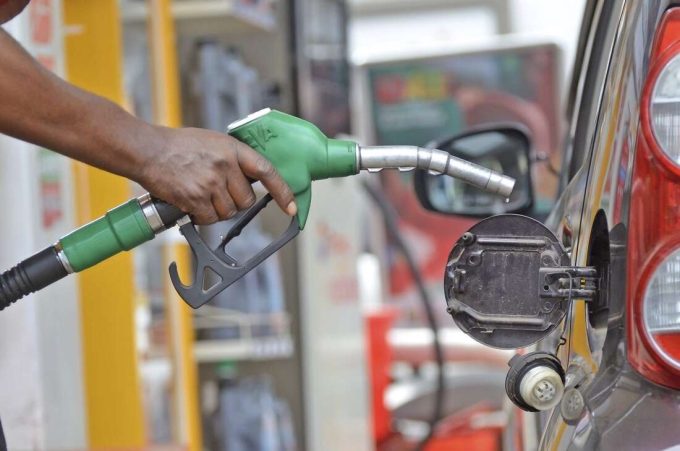
His proposal comes at a time when Kenyans are grappling with a fresh spike in fuel costs announced by the Energy and Petroleum Regulatory Authority (EPRA). The latest review saw petrol prices rise by Ksh 28.69 per litre and diesel by Ksh 40.30, triggering an immediate increase in matatu fares and transport costs across the country.
Plan to cut pump prices
Nyoro believes pump prices can be reduced by up to Ksh 27 per litre if the government takes three key steps.
First, he wants the removal of a Ksh 7 per litre fuel levy introduced in 2024, which he says has significantly pushed prices higher. He also proposed reducing Value Added Tax (VAT) by 5 per cent, estimating that this would lower prices by about Ksh 8 per litre.
“The proposal is not a favour. This is not too much to ask. Kenyans are simply demanding the reduction of levies and taxes to the level they were before 2023,” he said.
According to the MP, restoring taxes to earlier levels would immediately ease pressure on consumers without disrupting supply.
Bigger subsidy push
Nyoro is also calling for a stronger use of the Fuel Stabilisation Fund to cushion Kenyans from sudden price spikes.
He proposed a Ksh 5 billion top-up to the fund, which he says could lower prices by about Ksh 12 per litre. In the short term, he suggested that subsidies could even be increased to Ksh 10 billion to provide faster relief.
Kenya consumes roughly 400 million litres of fuel every month, meaning even small changes in pricing have a wide impact on the economy.
Concerns over transparency
Beyond taxes and subsidies, Nyoro questioned how fuel prices are calculated, saying the current system lacks transparency.
He raised concerns about the government-to-government fuel import arrangement, warning that it could distort market prices and make it harder for the public to understand the real cost of fuel.
The MP also pointed out that global oil prices have dropped compared to the highs seen in 2022, when crude traded above $115 per barrel. Despite this, local fuel prices remain high.
“Before they tell Kenyans anything about external shocks, the government must take responsibility for the fact that about 50 per cent of fuel prices are made up of taxes and levies,” he said.
Cost-of-living pressure rising
The latest increase in fuel prices is already being felt across the country. Public transport fares have gone up, businesses are adjusting their prices, and there are concerns that inflation will rise further in the coming weeks.
Fuel costs directly affect the price of food, goods, and services, making any increase ripple through the entire economy.
Nyoro’s proposal now adds to growing calls for the government to review its tax policies, as more Kenyans struggle to keep up with the rising cost of living.
![David Ndii chairs the President's Council of Economic Advisers (CEA), and noted that he had shared his thoughts with President William Ruto. [Photo/ Standard]](https://businesstoday.co.ke/wp-content/uploads/2023/04/T0D3fkyPd7kqJ0Sm3Nad0fZo108FFNNu4k9tuWlr-150x150.jpg)








Leave a comment