

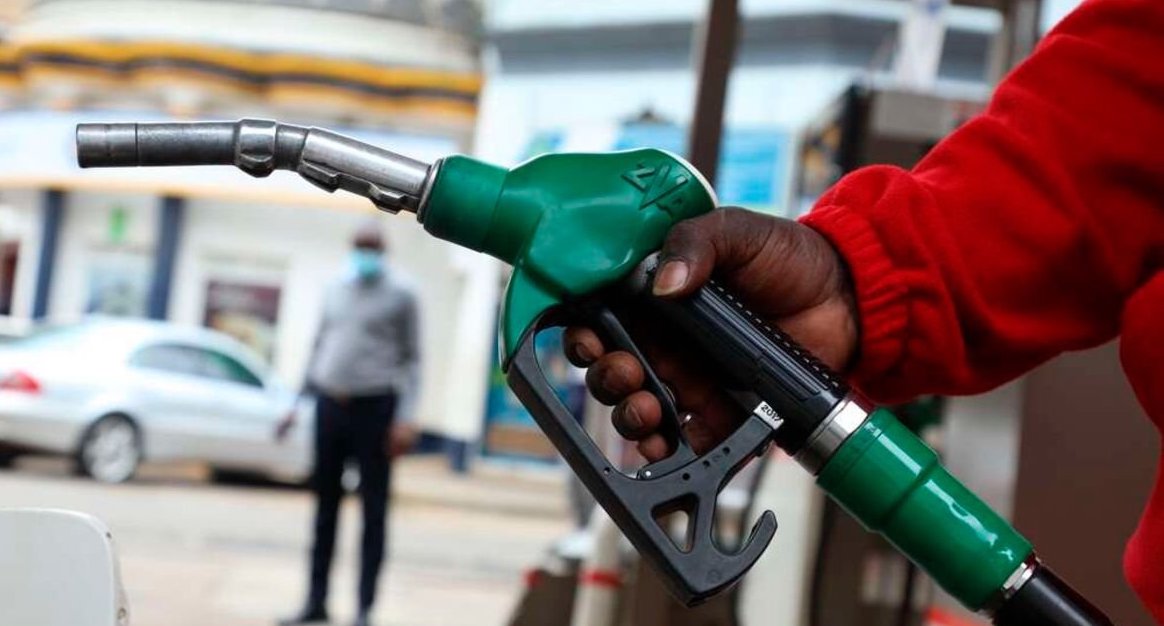
Economist Edwin Kinyua has defended Kenya’s Government-to-Government (G2G) fuel import framework, arguing that it has played a critical role in stabilizing supply, reducing volatility, and shielding consumers from extreme global price shocks.
While addressing concerns over recent fuel price changes, Kinyua said the current pricing environment can only be understood in the context of reforms introduced following the foreign exchange crisis that previously disrupted the sector.
“To understand our current stability, we must look at the transition to the Government-to-Government (G2G) system. Before this intervention, the industry operated under a fractured system that struggled during the global foreign exchange crisis. As exchange rates (Forex) surged and US dollars were increasingly ‘mopped up’ from the local market, oil marketers faced a severe crisis in accessing the capital needed to secure supply,” he said.
Kinyua explained that the G2G framework was introduced as a strategic intervention to safeguard Kenya’s energy security and stabilize the demand for foreign currency.
“Recognizing this threat to national energy security, His Excellency intervened by establishing the G2G framework. This system allowed for a more structured procurement process, where we nominated and vetted world-class companies to trade oil under more favorable terms. This shift was not just about supply—it was about stabilizing the demand for dollars and protecting the shilling,” he stated.
The G2G system, introduced in April 2023, replaced the Open Tender System (OTS), which Kinyua said was prone to volatility due to fluctuating freight and premium costs.
Gains Under G2G
According to the economist, the new system has delivered measurable improvements across the fuel supply chain.
“Since the inception of G2G in April 2023, the results have been significant: We have successfully delivered over 200 cargoes to date. Under the old Open Tender System (OTS), freight and premiums were ‘floating’ figures that created immense price volatility,” he explained.
“Through G2G, we have successfully negotiated and lowered the premium for Super Petrol. While it initially stood at $97.50 per tonne, we have driven that down to $84.00 per tonne.”
Empowering Local Expertise
Kinyua also highlighted the role of local companies and professionals in strengthening the fuel supply chain under the new framework.
“A fundamental success of the Government-to-Government (G2G) framework is the strategic collaboration between International Oil Companies (IOCs) and our local industry. These global entities have chosen to partner with Kenyan companies that have been licensed and operational for over 30 years,” he added.
“This is a testament to the maturity of our local energy sector. Furthermore, these partnerships are a significant driver of economic growth; by prioritizing the recruitment of Kenyan professionals, these companies are ensuring that the benefits of this system are felt directly by our workforce and their families.”
He further pointed to the financial infrastructure supporting the G2G system, crediting KCB Bank for playing a key role during its early stages.
“The transition to G2G was a massive undertaking that required courageous financial leadership. I would like to specifically acknowledge KCB Bank for their pivotal role. They stepped forward to facilitate this process during a critical time when other financial institutions were unable to provide the necessary support,” he said.
“Their early commitment has since built widespread confidence across the financial landscape. Today, the strength of the G2G system is further evidenced by the fact that six additional banks have now joined in to support this framework. This growing consortium of banks ensures that our petroleum supply remains well-funded, stable, and resilient against global shocks.”
Buffer Against Global Shocks
Kinyua emphasized that the structured procurement model has helped Kenya maintain a more predictable fuel supply chain despite ongoing global market pressures.
“Strategic StabilityBy moving away from a volatile tender system to a structured government-backed framework, we have secured better premiums and a more predictable supply chain. These technical efficiencies, combined with our monthly average procurement strategy and the current stabilization fund, are what allow us to offer the current relief at the pump.”
He added that the government remains committed to managing the system prudently to protect consumers.
“We continue to manage these resources responsibly to ensure that global market pressures do not translate into unmanageable costs for the Kenyan consumer.”
Kinyua’s remarks come amid heightened scrutiny of Kenya’s fuel pricing model, with policymakers, economists and legislators debating the effectiveness and transparency of the G2G system.
While critics have questioned pricing structures and procurement decisions, supporters argue that the framework has been instrumental in ensuring consistent supply and cushioning the economy from foreign exchange shocks.
“By integrating established local experience with strong financial backing, we are not just managing fuel prices—we are building a sustainable energy future for the country,” he added.
Read: Ndindi Nyoro Pushes Plan to Slash Fuel Prices by Ksh27
>>> David Ndii Schools Ledama Ole Kina Over Fuel Prices Jargon











Leave a comment