

Kenya’s luxury housing market is showing signs of shifting beyond Nairobi’s traditional high-end suburbs, with developer Mi Vida Homes making a major bet on Tatu City through a Ksh 5.6 billion townhouse development aimed at affluent buyers seeking space, privacy and a more lifestyle-driven way of living.
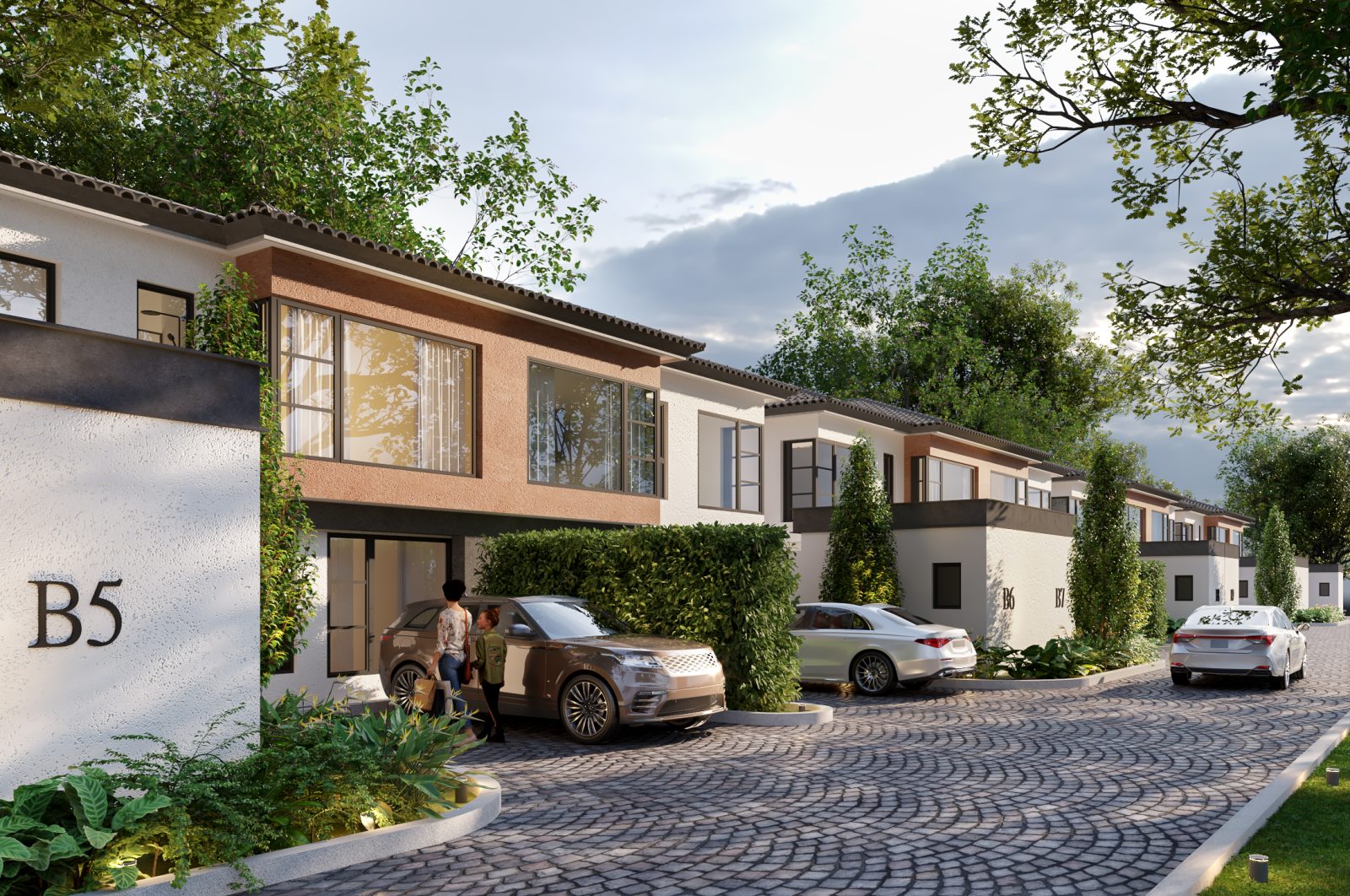
The developer has unveiled 156 Elara, a gated project of 156 luxury townhouses in Tatu City, marking its first formal move into the premium housing segment after building its name in affordable and middle-income developments.
The launch comes at a time when demand for low-density upscale housing is rising, driven by wealthy families moving away from congested urban neighbourhoods and choosing master planned communities that offer security, amenities and access to schools, green spaces and essential services.
That shift is increasingly reshaping Kenya’s property market, with developers now responding to a growing appetite for what many buyers see as the new status symbol, not penthouses in the city, but spacious homes in controlled suburban communities.
Prices at 156 Elara start at Ksh 25.6 million for three-bedroom duplexes and rise to Ksh 44.5 million for four-bedroom triplexes, placing the development firmly within Kenya’s premium residential bracket.
Mi Vida Chief Executive Samuel Kariuki said the project reflects changing buyer preferences and a broader evolution in the company’s strategy.
He said the move into luxury housing is a deliberate response to growing demand for high-quality, low-density homes and positions the developer to serve multiple segments of the market in the coming years.
Spread across five acres, the development will feature duplexes and triplexes built around Club Elara, a residents’ wellness centre with a heated swimming pool, gym and landscaped open spaces.
But beyond the homes themselves, the project is tapping into a broader trend that is gaining traction in Kenya’s property market. More buyers, particularly owner occupiers, are looking for homes that combine residential comfort with access to schools, retail, recreation and workplace hubs within one integrated environment.
That model has helped elevate Tatu City from a satellite town concept into one of the country’s most-watched real estate growth corridors.
Located in Kiambu County, the mixed-use development has attracted businesses, schools and residents at a pace that is drawing increased investor attention. It is already home to thousands of residents and more than 100 businesses, including retail outlets, banks, restaurants and service providers.
Residents of the new development will also be positioned close to schools such as Crawford International School and Nova Pioneer, while being within walking distance of parks, trails and an urban wildlife sanctuary, a feature developers say is increasingly attractive to family buyers.
Mi Vida in Kiambu County
For Mi Vida, the project also signals confidence in the growing pull of Kiambu County as a residential destination, particularly as improved infrastructure and rising land prices in Nairobi push developers and homebuyers outward.
Industry trends suggest this is not an isolated move. Demand for premium homes in low-density suburban areas has been rising as remote work, lifestyle shifts and concerns around congestion continue to influence housing decisions.
Developers are also targeting owner occupiers rather than relying solely on speculative investors, a notable shift in a market where rental returns often dominated buying decisions.
Rendeavour Founder and Chief Executive Stephen Jennings said demand for housing in Tatu City is expected to accelerate further as the resident population grows and major institutions such as Wellington College International Kenya prepare to open.

He said partnerships with developers are expanding the range of housing available as more families seek alternatives to traditional urban living.
The launch also comes against the backdrop of Kenya’s wider housing shortage, estimated at more than two million units, and growing interest in developments that combine scale with long-term community planning.
While affordable housing remains central to policy debates, projects such as 156 Elara show another force reshaping the market, rising demand from an expanding upper middle class willing to pay for lifestyle, convenience and long-term value.
For years, the dream for many wealthy Kenyans was a house in Karen, Runda or Muthaiga. Increasingly, that aspiration is shifting toward master planned cities like Tatu City, where buyers are not simply purchasing a home, but buying into an entire way of life.
If that trend holds, Kenya’s next property boom may not rise in skyscrapers, but in the quiet spread of luxury townhouses beyond the city.












Leave a comment