

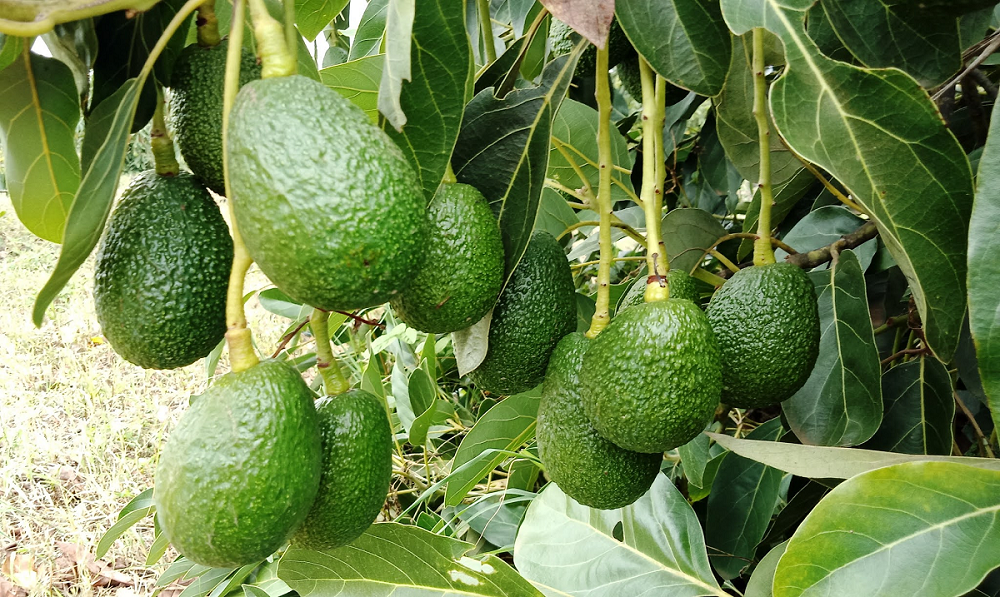
Avocado farmers in Kenya are in the middle on the harvest season with export markets getting more sophisticated and competitive, with stricter requirements.
“The current avocado season in Kenya is progressing well overall, with a steady supply of good-quality fruit. We’re seeing strong volumes, particularly for Hass avocados, and quality has been largely consistent, thanks to favourable growing conditions in key production regions. There have been some logistical and cost pressures, but from a crop standpoint, the season is positive,” said Solomon Mumbi, CEO of Avohass, a Kenyan exporter.
Avocado harvest this season has volume and quality
Compared to previous seasons, this year’s harvest is relatively strong in both volume and quality, Mumbi explains. “We are seeing improved fruit sizing and better uniformity, which is important for our export markets. While there may be slight variations depending on the region, overall harvest is either on par with or slightly higher than last year, reflecting continued investment in orchard management and farmer training.”
Avohass’ primary export market remains Europe, which continues to be the most established and reliable destination for their avocados. Mumbi states.
“Within Europe, we supply a range of countries with strong retail and wholesale demand. In addition, we’re gradually expanding into the Middle East and North America, especially Canada, and exploring opportunities in emerging markets, where demand for avocados is growing,” said Mumbi.
According to Mumbi, the European market has evolved significantly over the past decade. “Consumption in Europe has grown steadily, driven by increased awareness of healthy diets and the popularity of ready-to-eat products. Meanwhile, the market has become more sophisticated and competitive, with stricter requirements around quality, traceability, and sustainability. For exporters, this means there is still strong potential, but success increasingly depends on consistency, certifications, and the ability to meet retailer specifications.”
“Some of the main challenges this season include rising logistics costs, occasional shipping delays, and increasing compliance requirements in export markets,” Mumbi continues. “Climate variability also remains a concern for production planning. We address these challenges by strengthening our supply chain partnerships, investing in post-harvest handling and cold chain management, and working closely with our growers to maintain high quality and compliance standards. Diversifying markets is also part of our strategy to mitigate risk.”
Although not directly, the conflict in the Middle East has also affected the avocado operation in Kenya.
Mumbi emphasizes: “The situation in the Middle East has had a limited, but noticeable impact, mainly in terms of market uncertainty and occasional disruptions in logistics and demand patterns. However, as this region represents a smaller share of our total exports compared to Europe, the overall effect on our operations has been manageable. We continue to monitor developments closely while maintaining flexibility in our market allocation.”















Leave a comment