

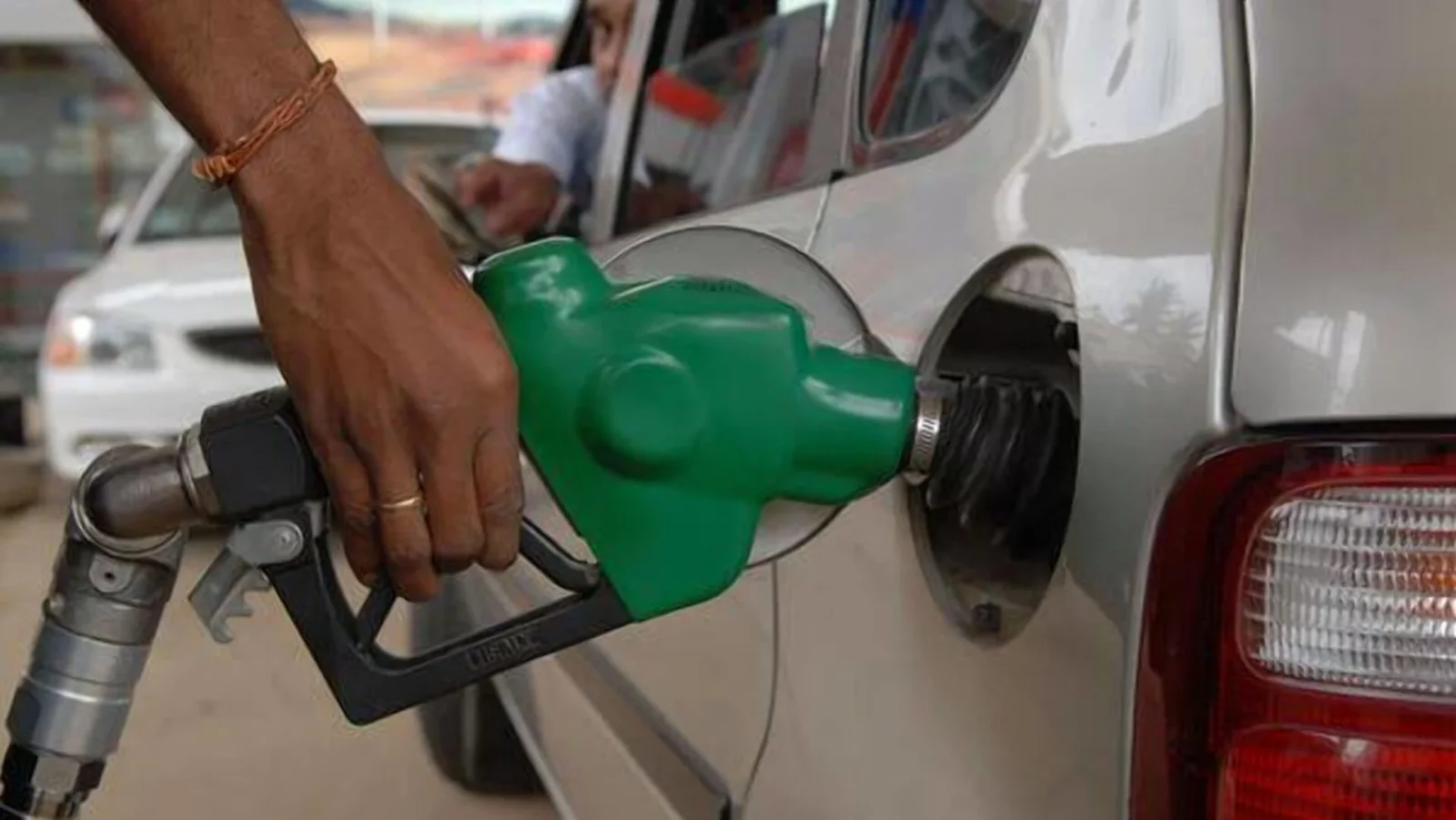
Kenya is shifting how it secures fuel imports, with regulators rolling out a new plan meant to protect the country from global supply shocks and political tensions in key oil routes.
The Energy and Petroleum Regulatory Authority (EPRA) says the new system will allow the country to tap into a wider network of international suppliers, while also building up strategic reserves locally to avoid sudden shortages.
Speaking during a TV interview on Saturday, EPRA’s Director of Petroleum, Edward Kinyua, said Kenya has already signed a master framework agreement with global fuel suppliers. The goal, he explained, is simple: keep the country running even when the global market is unstable.
“We have just developed a strategic stocks regulation whereby we can invite a big player in Kenya to store petroleum within our ports, and then we have the right, the first right of use for that product,” Kinyua revealed.
Under this arrangement, large international oil traders can store fuel in Kenya’s facilities, especially along the coast, and the government gets priority access when supplies tighten. This is a major shift from relying almost entirely on imports that arrive just in time for use.
Moving away from Middle East dependence
For years, Kenya has depended heavily on fuel shipments from the Middle East, particularly through the Strait of Hormuz, one of the world’s busiest and most sensitive routes; any disruption there, whether due to conflict or congestion, has immediate effects on prices and supply.
Now, EPRA says suppliers are changing course.
“What our suppliers have done, instead of sourcing from the Middle East, they will be sourcing from diversified markets, including Europe, including the Far East,” Kinyua noted.
“They are also loading more products from the Red Sea side instead of loading products on the Strait of Hormuz side in the Middle East. Now they are exploiting the Red Sea side.”
This shift is meant to reduce exposure to geopolitical risks while also cutting delays linked to crowded shipping lanes. The Red Sea route, while not without its own risks, offers an alternative corridor that can keep cargo flowing when other routes are strained.
Why Kenya had to rethink fuel imports
The changes come against the backdrop of the controversial government-to-government (G-to-G) fuel import deal introduced in 2022.
At the time, Kenya was facing a severe dollar shortage. Oil marketers struggled to access foreign currency, yet they had to pay suppliers within days of shipments arriving. The pressure pushed the system to the brink.
“The amount of money the private sector spends in terms of oil payment per month is to the tune of 500 million dollars,” Kinyua said.
He added that at the peak of the crisis, more than 145 oil marketers were competing for the same limited pool of dollars, creating delays and raising fears of supply disruptions.
The government stepped in with the G-to-G model, allowing selected international partners to supply fuel on credit terms, easing pressure on the country’s foreign exchange reserves.
Why were state firms left out
One of the most debated aspects of the G-to-G deal has been the exclusion of state corporations such as the National Oil Corporation of Kenya (NOCK) and the Kenya Pipeline Company (KPC).
Kinyua said this decision was driven by how the global oil trade works.
“If I’m placing a ship worth 100 million dollars into the water and I don’t know my counterpart, what happens if anything happens to that cargo?” he posed.
He explained that international suppliers prefer dealing with companies they already trust and have worked with before.
“Kenya Pipeline is not a trader; their work is transportation of petroleum.”
Private firms take centre stage
As a result, private companies became the main players in the import system. These include Oryx Energies, Galana Energies Limited, Gulf Energy Limited, One Petroleum Limited, Asharami Synergy, and Be Energy.
While the model has helped stabilise supply and ease pressure on the shilling, it has not escaped criticism.
Ndindi Nyoro, the Kiharu MP, has questioned the pricing structure, claiming the system allows multiple layers of profit margins that could push up pump prices.
Former Attorney General Justin Muturi has also raised concerns about transparency and governance, adding to the political pressure surrounding the deal.
Government stands by reforms
Despite the criticism, EPRA insists the decisions were based on market realities, not politics. According to the regulator, international suppliers set strict conditions based on risk, and Kenya had to align with those expectations to secure a stable supply.
Kinyua said the reforms are already drawing attention beyond Kenya, with other countries reportedly studying the model as they deal with similar challenges in volatile global energy markets.
Bigger picture: preparing for global shocks
Globally, oil markets have remained unpredictable, shaped by conflicts, shipping disruptions, and shifting demand patterns. Events affecting routes like the Strait of Hormuz or the Red Sea can quickly send prices soaring.
Kenya’s new strategy diversifying supply sources, secures storage locally, and relies on structured international agreements, is designed to reduce that vulnerability.
If it works as planned, the country could avoid the kind of fuel shortages and price spikes that have hit it in the past.
For now, EPRA’s message is clear: the system is evolving, and the focus is on keeping fuel flowing, even when the global market becomes uncertain.












Leave a comment