

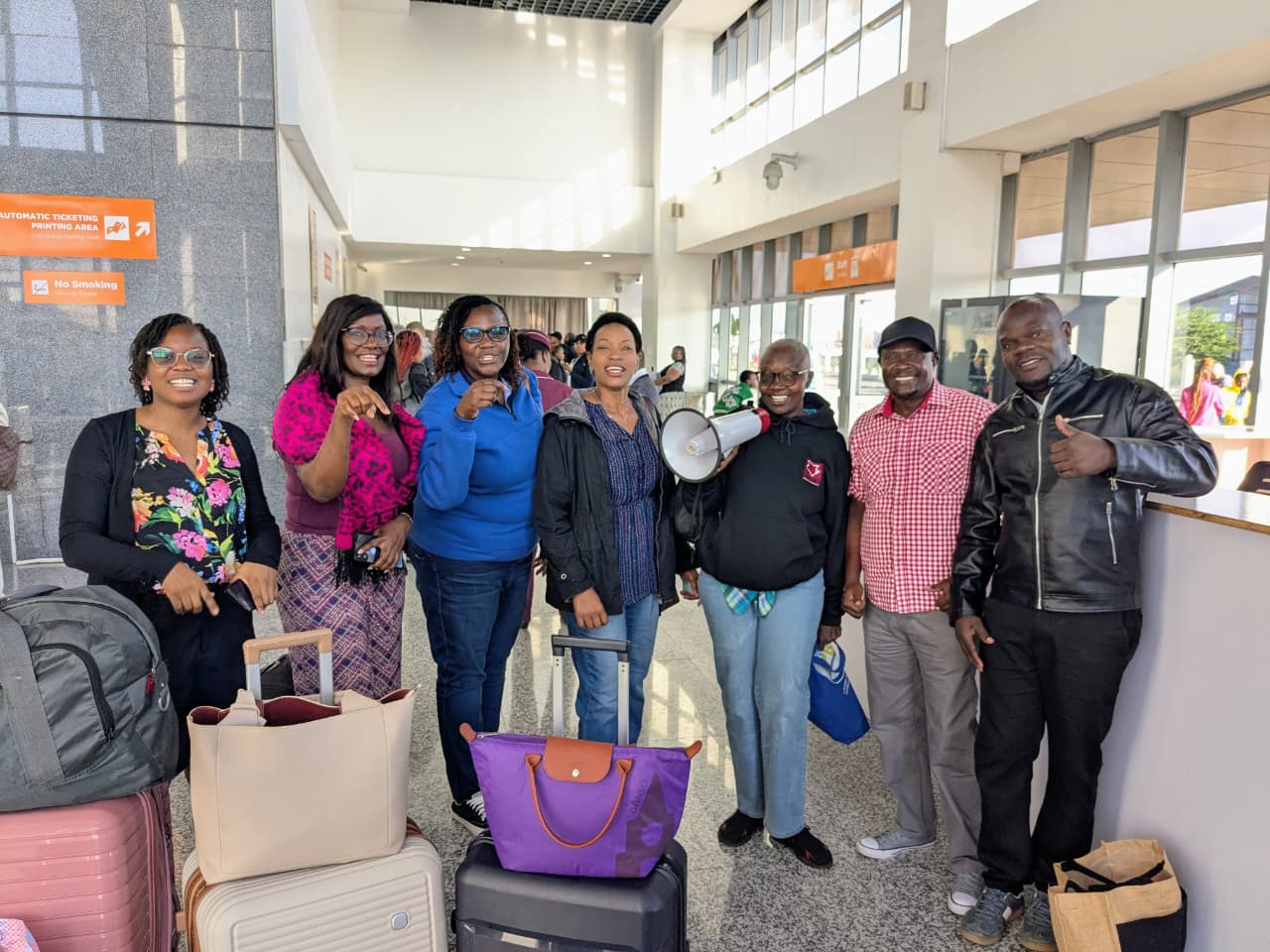
Kenya’s editors head to Mombasa this week for a convention that comes at a critical moment for the country’s media industry. As the 2027 General Election approaches, the gathering will examine whether newsrooms are prepared for the political pressure, technological disruption and economic strain that could test their independence and credibility.
The Kenya Editors’ Guild’s 9th Annual Editors’ Convention opens at Travellers Beach Hotel and Spa on Wednesday, November 25, under the theme, Navigating the Storm: Media Resilience on the Road to 2027.
The forum brings together editors, journalists, media leaders and representatives of government, regulatory institutions, technology companies and development organisations. Chief Justice Martha K. Koome is expected to preside over Thursday morning’s official opening, which will also be attended by top government officials, Mombasa Governor Abdulswamad Nassir, IEBC Vice Chairperson Fahima Araphat Abdallah and other senior representatives.
The timing is significant. Across the country, households and businesses are dealing with taxation, rising living costs, public debt and uncertainty over employment and economic prospects.
As politicians position themselves for the next election, the media will have to do more than relay campaign promises and political exchanges. Editors will be challenged to ensure that reporting examines the cost of those promises, the sources of campaign financing and the use of public resources.
The convention’s focus on political financing, public debt and fiscal accountability speaks directly to this responsibility. Voters need to understand not only what candidates promise but also whether those promises are affordable and how government decisions affect their livelihoods.
The question of public trust will also feature prominently, against the background of the media’s experience during the 2022 General Election. The presidential tallying process exposed the difficulties of reporting disputed and fast-moving electoral developments while maintaining accuracy and public confidence.
The next election will take place in an even more complicated information environment. Artificial intelligence has made it easier to produce convincing fabricated images, audio and video and circulate them widely. Editors will examine how newsrooms can respond to misinformation, disinformation and malinformation without amplifying the very material they seek to discredit.
Verification can no longer depend solely on the instincts of individual journalists. It requires clear editorial procedures, appropriate technology and the capacity to establish the authenticity of information before it shapes public debate. The same challenge applies to the use of artificial intelligence by media organisations themselves, where speed and innovation must be balanced against accuracy, transparency and editorial judgement.
The pressures on journalism are not confined to the information it publishes. Journalists face physical threats, online harassment and legal challenges, while women in the profession have had to contend with technology-facilitated gender-based violence.
During the convention, sessions on journalist safety will address physical and digital security, mental health, legal protection and the responsibility of newsrooms to establish safeguards for their staff.
The protection of information and sources is becoming equally important as reporting relies more heavily on digital records, communications and databases. A breach can expose confidential sources, compromise investigations and put journalists or their contacts at risk. Data protection is consequently becoming an essential part of the professional environment in which journalism operates.
There is also the question of whether media organisations can afford to meet these growing demands. Traditional revenue models have come under pressure as audiences and advertising migrate to digital platforms, leaving newsrooms with difficult choices about staffing, investment and the cost of producing public-interest journalism.
The convention’s discussions on media ownership, regulation and sustainability will examine the business models and innovations that could help secure the industry’s future. The economic health of media organisations has direct implications for editorial independence: newsrooms struggling to remain financially viable may find it harder to retain experienced journalists, invest in investigative reporting or withstand commercial and political pressure.
The convention also turns attention to the welfare of journalists beyond their active newsroom careers. A session on life after the newsroom will focus on retirement and wellness, while on Saturday Guild members will hold their Kamukunji to review the organisation’s year, assess the convention and consider institutional matters before the formal proceedings close.
For the public, the issues under discussion in Mombasa reach well beyond the media industry. The quality of journalism affects how Kenyans understand public spending, assess political promises, respond to electoral claims and make decisions at the ballot. A newsroom that cannot verify information, protect its journalists or withstand pressure leaves citizens with less reliable information at precisely the moment they need it most.
The convention comes before the election campaign reaches its peak, giving editors time to confront these questions while there is still room to strengthen their newsrooms. What emerges from Mombasa will matter not only to the editors gathered there, but to the quality of information Kenyans will receive when the political contest of 2027 moves into full gear.
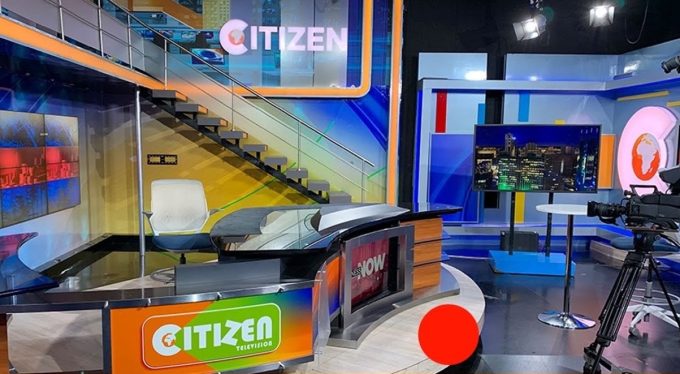
Read: Royal Media Services Citizen TV Subscription Gamble
>>> Kenya: Journalists Face Rising Attacks Ahead of 2027 Election, Media Council Warns











Leave a comment