

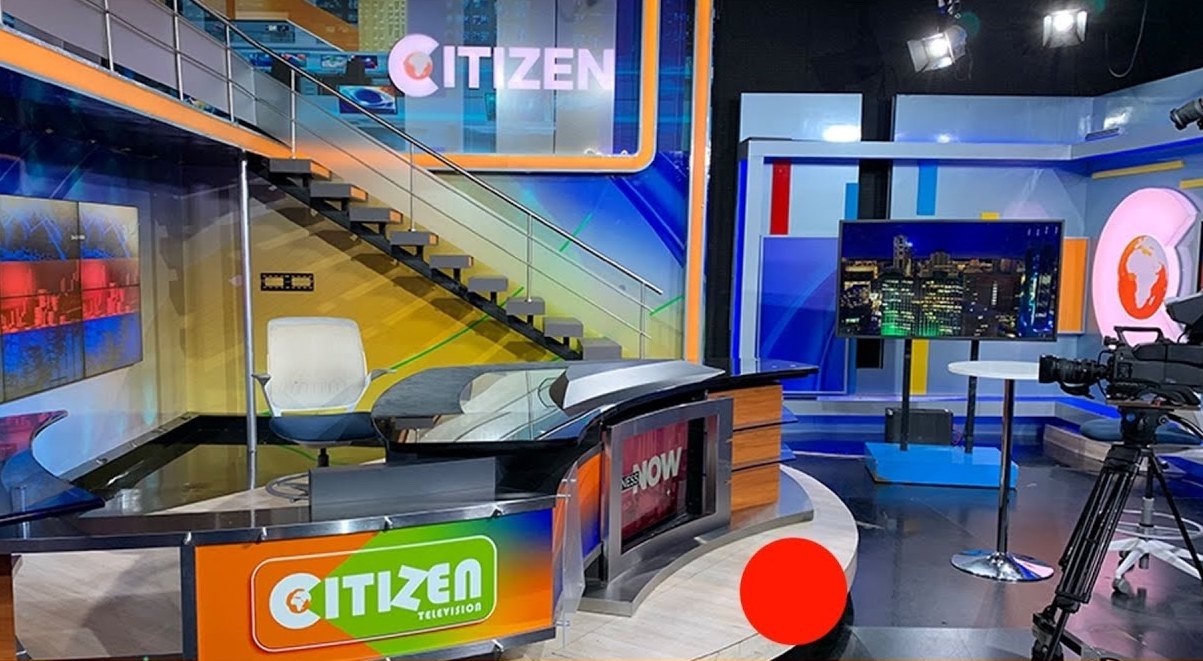
By introducing a monthly subscription for Kenyans to watch Citizen TV, Inooro TV and Ramogi TV live on YouTube, Royal Media Services may have opened a new chapter in its digital strategy. However, the decision raises fundamental questions about audience loyalty, the economics of digital broadcasting, advertising revenue and the future of free-to-air television in Kenya.
The decision by Royal Media Services (RMS) to introduce a monthly subscription of KSh350 for viewers wishing to watch Citizen TV, Inooro TV and Ramogi TV live on YouTube is an interesting development in Kenya’s broadcasting industry. It is also a business decision that deserves serious scrutiny, particularly at a time when traditional media houses are struggling to redefine their business models in an increasingly competitive digital environment.
At first glance, the idea appears commercially attractive. Royal Media Services commands some of the country’s most recognisable broadcasting brands, enjoys considerable public trust and has cultivated an enormous audience across different demographic groups. Citizen TV, in particular, has established itself as a major player in political coverage, current affairs, entertainment and national conversations. Inooro TV and Ramogi TV also enjoy strong followings among their respective language audiences.
It is understandable that a media organisation with such considerable influence would want to explore additional revenue streams from its digital platforms. After all, producing television content is expensive. Journalists, presenters, producers, technicians, transmission infrastructure and operational expenses all require substantial investment. The traditional advertising model is under pressure, and broadcasters must find ways of monetising content beyond conventional television advertising.
SEE ALSO >> Meet Kenya’s Most Influential Women, According to Latest Ranking
However, recognising the need for additional revenue is different from identifying the right strategy to generate it. The fundamental question is whether Kenyan audiences are prepared to pay a monthly subscription for television broadcasts that they have enjoyed free of charge for decades.
For years, free-to-air television has operated on a relatively straightforward arrangement. Broadcasters invest in content, attract audiences and sell advertising space to businesses seeking access to those audiences. The larger the audience, the more attractive the station becomes to advertisers. This model has supported the growth of Kenyan television and allowed millions of households to access news, entertainment and public affairs without paying a direct subscription fee.
Royal Media’s proposed approach introduces a different commercial relationship. Instead of relying exclusively on advertisers to finance content, the company wants a portion of its audience to contribute directly towards accessing broadcasts online.

There is nothing fundamentally wrong with this approach. Indeed, subscription-based broadcasting has become an important component of the global media industry. However, successful subscription models generally offer something that audiences cannot easily obtain elsewhere. Premium sports coverage, exclusive documentaries, original productions, specialised entertainment and uninterrupted access to distinctive content are examples of products that can justify recurring payments.
The challenge for Royal Media is establishing whether ordinary live television broadcasts provide sufficient additional value to persuade viewers to subscribe.
A Kenyan interested in watching a political interview, following parliamentary proceedings or catching the evening news has numerous alternatives. Other television stations provide competing news bulletins. Radio stations offer live discussions. Online newspapers publish developments almost immediately, while social media platforms distribute video clips, interviews and commentary within minutes.
The audience is no longer dependent on a single broadcasting organisation for information.
This is perhaps the most important transformation that traditional media executives must appreciate. The competition is no longer simply between Citizen TV and other television stations. It is between Citizen TV and an entire digital ecosystem in which information is constantly available, frequently free and accessible through multiple devices.
Consequently, audience loyalty should never be confused with willingness to pay.
Millions of Kenyans may recognise Citizen TV as their preferred station without necessarily being prepared to spend KSh350 every month to access its live YouTube broadcasts. Watching a station because it is available is fundamentally different from paying to watch it.
There is also a potentially significant commercial contradiction in the proposed arrangement. Royal Media’s digital popularity is itself an important commercial asset. Large audiences attract advertisers, strengthen brand visibility and create opportunities for partnerships and sponsored content.
READ >> High-Flying Tv Anchor Shares Secrets to a Fulfilling Life
Introducing a subscription barrier could reduce the number of people accessing its digital broadcasts. Even if a portion of loyal viewers pays, the company could lose thousands of casual viewers who previously contributed to its digital reach. That creates a difficult balancing act. Will the additional subscription income compensate for any reduction in advertising opportunities and audience numbers?
Consider a hypothetical situation in which 100,000 people subscribe at KSh350 monthly. The gross subscription revenue would amount to KSh35 million. That is an attractive figure, although payment processing charges, platform arrangements, taxes and other operational costs would have to be considered.
However, the real commercial question is not simply how much money can be collected from subscribers. It is how much additional revenue can be generated without undermining the audience numbers that make the broadcasting business valuable. A subscription strategy that produces immediate income but gradually weakens audience reach could become counterproductive.
The Kenyan consumer also faces a difficult economic environment in which every recurring expense must justify itself. Households already spend money on internet bundles, electricity, education, transport, entertainment and other essential services. Some subscribe to international streaming platforms, while others purchase access to sports and specialised entertainment.
Adding another monthly payment for television news and ordinary broadcasts may not be a priority. This is particularly important because internet access itself is not free. A viewer subscribing to the Royal Media package must still purchase internet data or pay for connectivity. The KSh350 therefore becomes an additional expense rather than a complete entertainment package.
There is, however, a market that Royal Media could explore more aggressively: Kenyans living abroad.
For members of the Kenyan diaspora, access to familiar television stations can provide a connection to home. Watching local news, political discussions, vernacular programmes and national events can be particularly attractive to people who have limited access to Kenyan free-to-air television.
The diaspora audience may therefore perceive greater value in paying for a reliable and convenient streaming service. But even this market requires careful consideration of competing services, accessibility, payment methods and the availability of alternative content.
More importantly, Royal Media should distinguish between content that is merely accessible online and content that is genuinely exclusive.
If the company wants Kenyans to pay, it must create a compelling reason to subscribe. It could introduce exclusive interviews, premium investigative journalism, original documentaries, extended political debates, special programmes and on-demand access to selected productions. Such an offering would be considerably more persuasive than simply placing a payment barrier around an existing television broadcast.
There is also an opportunity to develop differentiated packages that accommodate different audiences instead of assuming that every viewer has the same interests and purchasing power.
The company must equally consider the implications for its relationship with advertisers. Businesses purchase access to audiences, not merely broadcasting slots. If digital viewership declines, advertisers may question whether the platform remains as commercially attractive as before. Royal Media must therefore establish a strategy that allows subscriptions and advertising to complement rather than undermine each other.
Ultimately, this debate is bigger than KSh350. It is about whether traditional media organisations understand the economics of the digital age.
The old broadcasting environment was characterised by limited choices, powerful television brands and audiences that largely depended on a handful of stations for information. The new environment is defined by convenience, competition, personal choice and the ability to switch between platforms almost instantly.
Royal Media Services has every right to experiment with new revenue models. Indeed, doing nothing while advertising revenues and traditional broadcasting economics evolve would be an equally dangerous decision.
However, the company must be careful not to mistake its historical market dominance for an unconditional willingness by audiences to pay. A strong brand can attract attention, but only perceived value can sustain a subscription. Audience loyalty is important, but it does not eliminate consumer choice.
The real test will be whether Kenyans consider the service worth paying for month after month. If they do, Royal Media could establish an important additional revenue stream. If they do not, the company may discover that an audience accustomed to accessing free television is remarkably unwilling to change its habits.
The broadcasting industry is changing, and subscription television may well form part of its future. But the transition must be driven by innovation, exclusivity and customer value, not simply by the assumption that a popular television brand can convert its existing audience into paying customers.
You cannot spend decades building a broadcasting empire by attracting the largest possible audience, then introduce a payment barrier around ordinary access and assume that everyone will remain. In today’s media environment, viewers are not captive audiences. They are consumers with choices and they will ultimately decide what deserves their money.
———————–
Ashford Kimani is a teacher of English and Literature and comments on education and social affairs.
















Leave a comment