

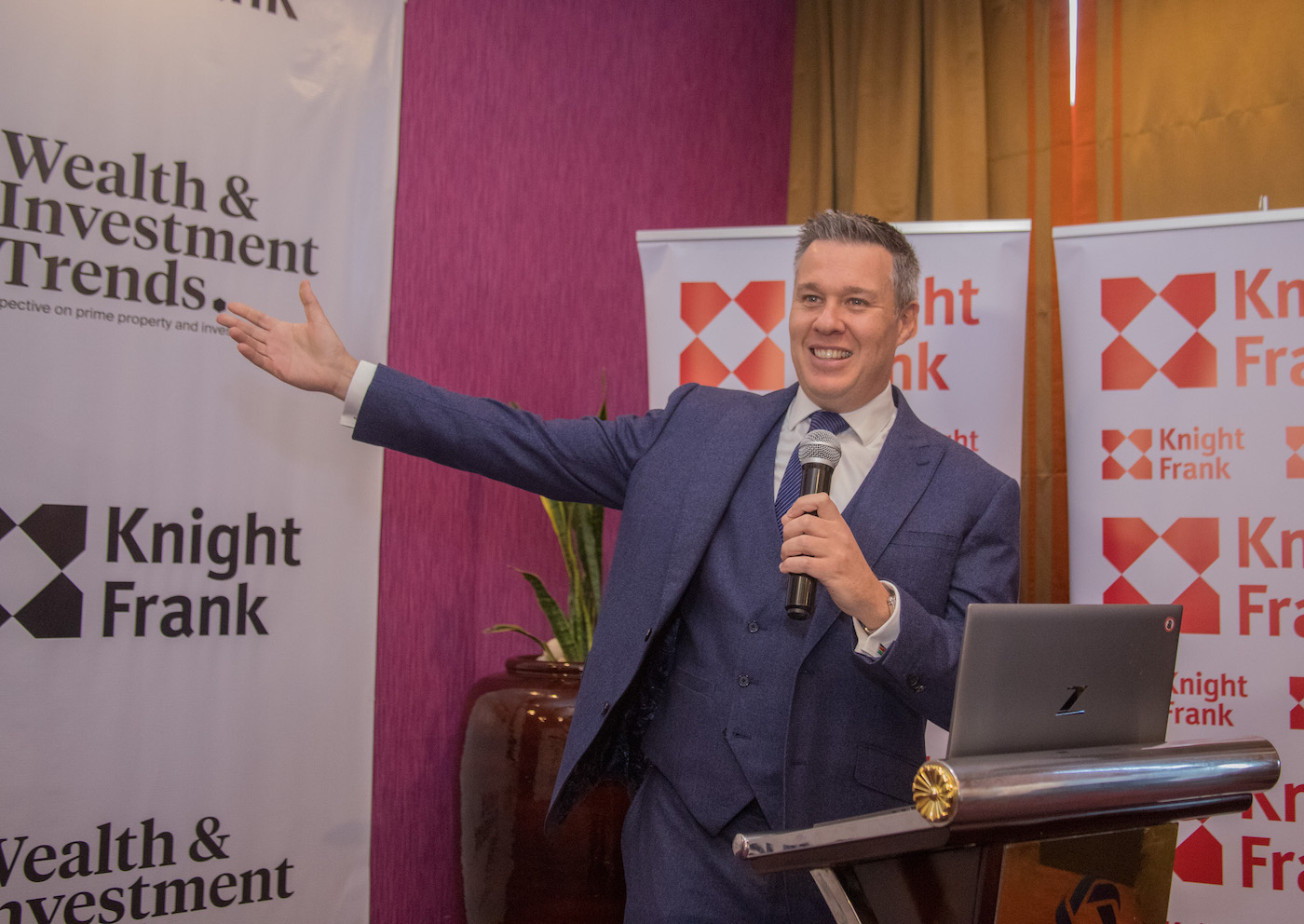
Wealthy Kenyan investors are shifting their portfolios beyond traditional residential property and increasing exposure to alternative investments including data centres, logistics, Real Estate Investment Trusts, renewable energy and professionally managed rental housing, according to Knight Frank Kenya’s Wealth & Investment Trends Report 2026.
The report shows that affluent investors are reducing the proportion of wealth allocated to primary and secondary homes in favour of assets that offer stronger income generation, liquidity and long term resilience. Emerging sectors such as data centres, logistics and the Residential Private Rented Sector are now among the most attractive investment opportunities.
“The modern investor is looking beyond conventional asset classes,” says Mr Mark Dunford, CEO of Knight Frank Kenya. “There is growing interest in investments that combine income, resilience and long term growth. This reflects a more sophisticated approach to wealth creation.”
The report identifies Kenya’s growing digital economy, urbanisation and expanding infrastructure as key drivers behind this shift. Data centres are benefiting from rising demand for cloud computing and artificial intelligence infrastructure, while logistics assets continue to gain momentum on the back of e-commerce growth and regional trade.
See >> Super-Rich Kenyans Who Are Not So Philanthropic
Boniface Abudho, Research Analyst, Knight Frank Africa, says investors are diversifying rather than abandoning property. Capital is moving towards sectors supported by structural trends that are expected to shape the economy for many years. “The findings show a market that is maturing. Investors are building portfolios that are diversified, future focused and aligned to long term economic transformation,” he says.
Knight Frank notes that residential property remains an important component of wealth preservation, but investors are increasingly seeking balance through liquid investments, fixed income products and specialised real estate sectors.
Mark Dunford added that “Kenya continues to present compelling investment opportunities. The difference today is that investors are becoming more deliberate in where they deploy capital.”
The Wealth & Investment Trends Report 2026 highlights that wealth preservation remains central, but investors are increasingly pursuing growth through sectors positioned to benefit from technology, demographics and changing consumer behaviour.















Leave a comment