

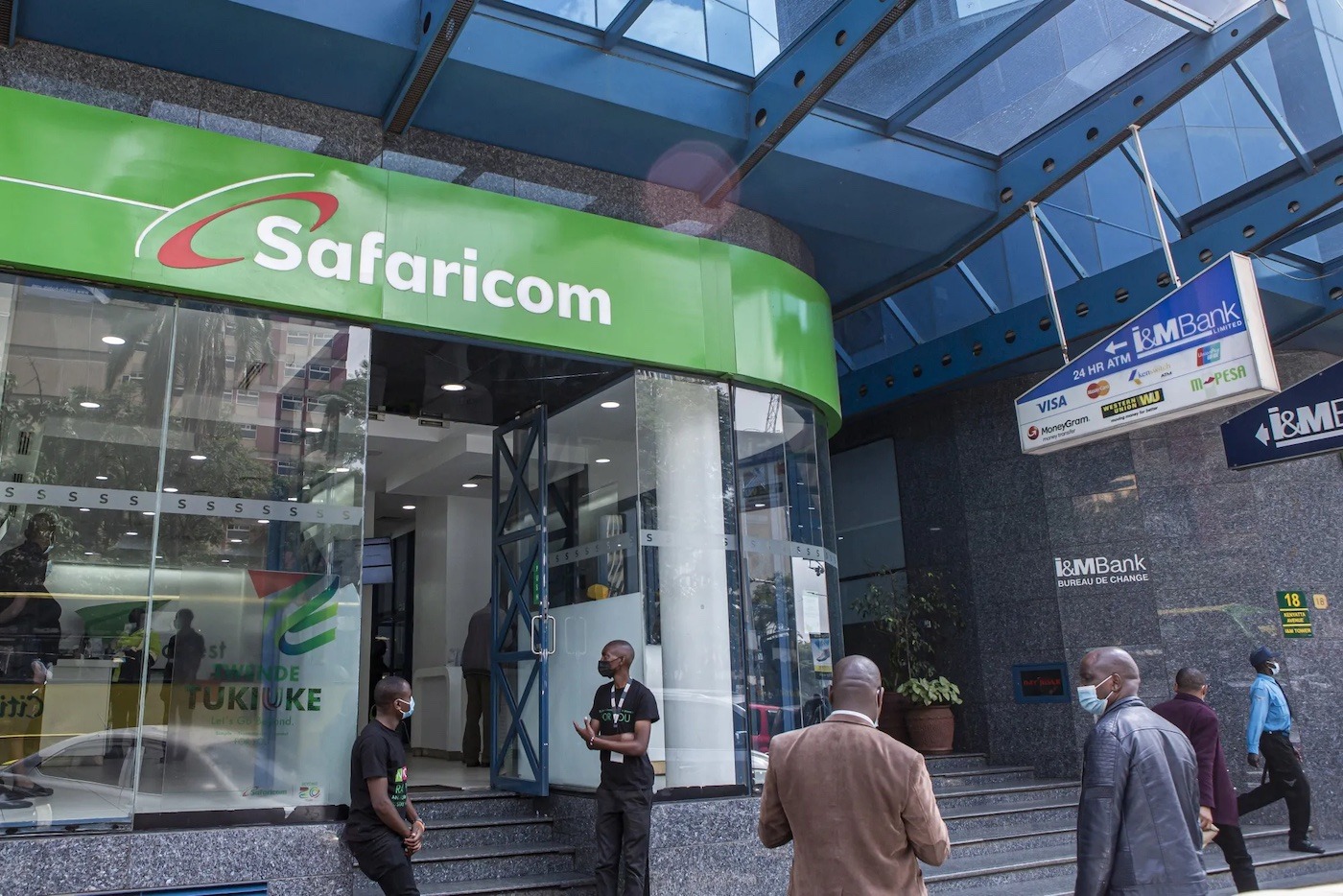
Safaricom tightened its grip on Kenya’s telecommunications sector in the first three months of 2026 after attracting millions of new subscribers and extending its lead over rivals in mobile, internet and mobile money services.
New data from the Communications Authority of Kenya (CA) shows the operator gained about 5.5 million subscribers between January and March, raising its customer base to 57.9 million and pushing its market share to 68.9 per cent.
The growth came as Kenya’s mobile market expanded significantly during the quarter. Active mobile subscriptions increased from 78.3 million in December 2025 to 84.1 million by the end of March 2026, representing a growth rate of 7.4 per cent.
The Communications Authority linked the increase to several factors, including aggressive efforts by operators to win back former customers, wider mobile broadband coverage and falling smartphone prices that have made internet-enabled devices more accessible to many households.
Kenya’s mobile penetration rate rose to 157.7 per cent during the quarter, highlighting the widespread practice of owning multiple SIM cards. Many consumers maintain more than one line to take advantage of different network offers, cheaper calling rates and mobile data packages.
While Safaricom remained far ahead of its competitors, Airtel Kenya continued to strengthen its position as the country’s second-largest telecommunications company. The operator ended the quarter with 23.2 million subscribers, translating to a market share of 27.6 per cent.
The gap between the two leading operators remained substantial, however, underlining Safaricom’s long-standing dominance in a market where network coverage, mobile money services and brand loyalty continue to influence customer choice.
Among smaller operators, Equitel maintained a subscriber base of 1.51 million users, accounting for 1.8 per cent of the market. Faiba followed with 883,944 subscribers and a market share of 1.1 per cent.
Telkom Kenya was the only operator to register a significant decline during the period. The company lost 160,464 subscribers, reducing its customer base to 584,438 and leaving it with less than one per cent of the market.
Beyond traditional mobile services, the report points to a growing digital economy powered by increased smartphone ownership. Smartphones now account for 63.7 per cent of all devices connected to mobile networks, reflecting changing consumer habits as more Kenyans embrace online services, digital payments, e-commerce platforms and video streaming.
The growth in smartphone use also boosted demand for internet services. Mobile broadband subscriptions climbed to 62.6 million, reinforcing the sector’s role as a key driver of digital connectivity.
Safaricom remained the largest mobile broadband provider, controlling 62.7 per cent of the market. Although the company retained a commanding lead, competitors have continued investing in network upgrades and data packages aimed at attracting more users.
The operator also held the largest share of the fixed internet market at 35.4 per cent. Faiba ranked second with 19.5 per cent, followed by Wananchi Group at 10.4 per cent and Poa Internet at 9.7 per cent.
The Communications Authority noted that increased demand for digital services continued to shape the sector’s growth. “The increase in mobile subscriptions was mainly attributed to customer win-back campaigns by mobile operators, affordable smartphone devices, expansion of mobile broadband networks and increased uptake of digital services,” the regulator said.
Safaricom’s dominance was perhaps most visible in the mobile money market, where it controlled 89.1 per cent of active subscriptions through M-Pesa. Total mobile money subscriptions rose to 53.4 million during the quarter, underscoring the importance of digital financial services in the country.
The company also led in voice and messaging traffic, accounting for 64.96 per cent of domestic voice calls and 93.96 per cent of SMS traffic. The figures show that despite growing use of internet-based messaging platforms, text messaging remains heavily concentrated on Safaricom’s network.
The latest statistics paint a picture of a telecommunications industry that continues to expand alongside Kenya’s digital economy, with rising internet use and smartphone adoption creating new opportunities for operators while reinforcing the market leadership of Safaricom.













Leave a comment