

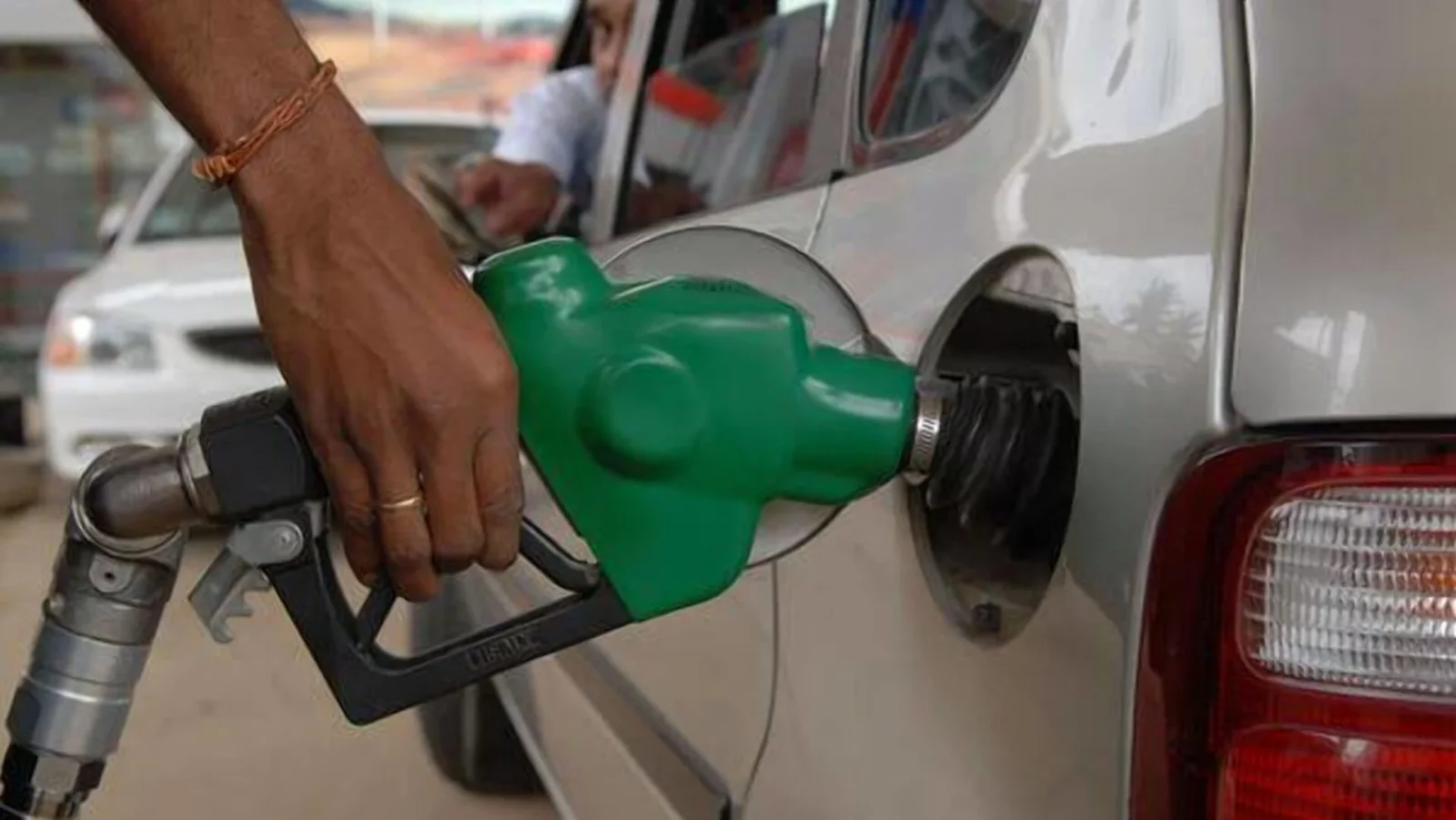
Kenya could face a tighter fuel supply in the coming weeks unless pump prices are adjusted to reflect the rising cost of oil globally, industry leaders have warned.
The Petroleum Outlets Association of Kenya (POAK) says delays in shipments and rising international prices are already straining local stocks.
Chairperson Martin Chomba said fuel currently at pumps was imported before the recent surge in global oil prices, meaning the true cost of supply is not yet reflected.
“The thinking… is that if the prices are brought to a level commensurate with what is happening in the international market, maybe the majors will release the product,” Chomba said.
He emphasised that the government does not hold fuel reserves directly, leaving the market in the hands of private firms that are focused on profit.
“The government of Kenya does not own even a litre of petrol; it is all in the private sector, where people are rational and are thinking of maximising their profits,” he said.
Chomba said that delays at the Port of Mombasa have created a supply gap, with some stations already experiencing shortages. Panic buying has been reported in several parts of the country.
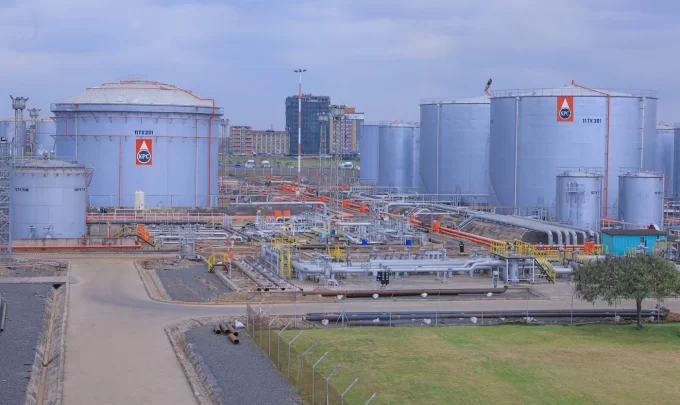
“As we speak, several vessels that were scheduled to reach the port of Mombasa have not been able to keep the schedule. The longest we can stay without a petroleum tanker docking… is between 21 and 30 days,” he explained.
Global fuel market
The global fuel market is under pressure as well. Tensions in the Middle East, particularly involving Israel, Iran, and the United States, have disrupted key supply routes such as the Strait of Hormuz, which handles a fifth of the world’s oil. Production cuts by major oil exporters and continued strong demand globally have pushed prices even higher.
Locally, the Energy and Petroleum Regulatory Authority (EPRA) uses a formula to set pump prices based on international costs, transport, and currency fluctuations. However, there is often a delay before global price changes are reflected in Kenya.
Despite the warnings, the government has reassured the public that fuel stocks are adequate. Officials confirmed the arrival of over 100 million litres of super petrol, enough to cover about two weeks of supply.
Industry experts warn that without price adjustments, private suppliers may delay releasing fuel, risking prolonged shortages and higher prices later.










Leave a comment