

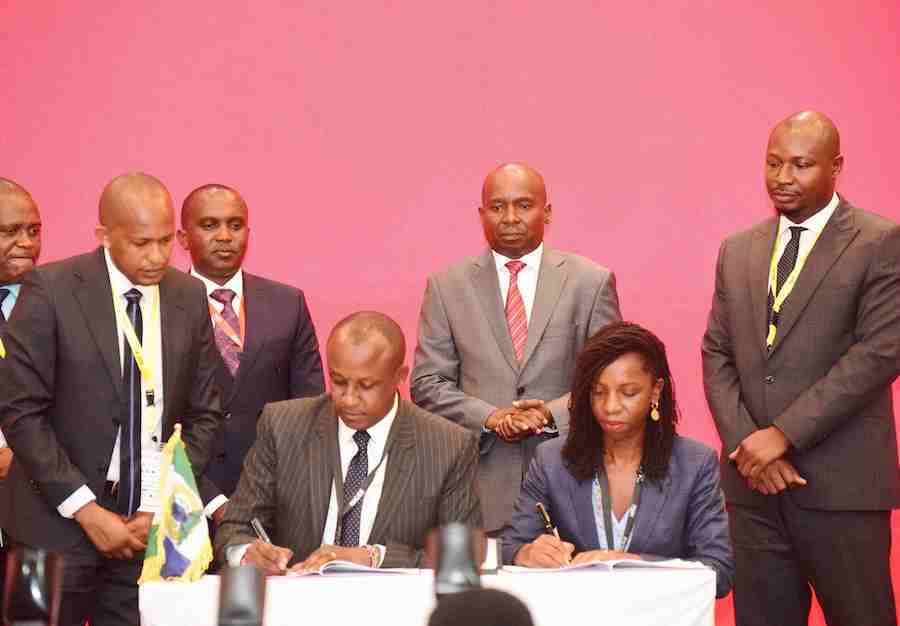
The Modern Energy Cooking Services (MECS) has announced a $750,000 (Ksh 97 million) investment in three innovative Kenyan clean cooking ventures – Ecobora, PowerUp, and Sun-Power Box. The investment is part of MECS’ ongoing efforts to advance sustainable clean cooking solutions and accelerate clean energy transitions in Africa.
The innovators are expected utilise the funds to scale affordable electric cooking technologies and expand access to clean energy for institutions, schools, and households and will play a crucial role in driving the transition to clean cooking through local expertise, innovation, entrepreneurship, and a demonstration of African solutions to African challenges.
“Investing in the innovators at the forefront of electric cooking is one of the most impactful ways to drive the adoption of clean cooking,” said Nyamolo Abagi, Director of Clean Energy Access at CLASP and member of the MECS Investment Committee. “MECS’ R&D investment provides an innovative finance model for others in the sector. Clean cooking is at a tipping point.”
Over the years, Ecobora, PowerUp, and Sun-Power Box have been at the forefront of developing affordable, locally manufactured electric cooking solutions that have driven effective clean energy transitions for institutions and schools in Kenya. Through institutional support under the MECS programme and CLASP’s capacity-building
> Households Feel the Heat as Cost Of Cooking Gas Goes Hits the Roof
About 37 million Kenyans and more than 600 million people in sub-Saharan Africa still rely on wood, charcoal, or other biomass fuels for cooking, driving deforestation, harming health, and placing a heavy economic burden on households and institutions.
Nyamolo said while electric cooking (e-cooking) offers a clear pathway to cleaner, more efficient energy use, early-stage ventures face a critical financing gap. Many struggle to access the capital needed to move from market entry to scale. “This investment directly addresses that gap. By funding research, testing, and validation, MECS is helping these companies strengthen their technologies, generate evidence, attract new investments, and reach scale,” Nyamolo said.
The investment signals a shift in how clean cooking is financed, de-risking innovation at an early stage to unlock larger-scale capital. It builds on growing momentum in the sector, including a recent partnership between the Government of Makueni County in Kenya and CLASP, which committed to accelerating Kenyan institutions’ transition to clean cooking.
The clean cooking sector is entering a decisive period. Governments are under growing pressure to deliver on climate, energy access, and health goals, and investors are looking for scalable solutions with real-world impact.
> > Kenya’s Largest Sugar Miller Halts Operation Over Fuel Shortage









Leave a comment