

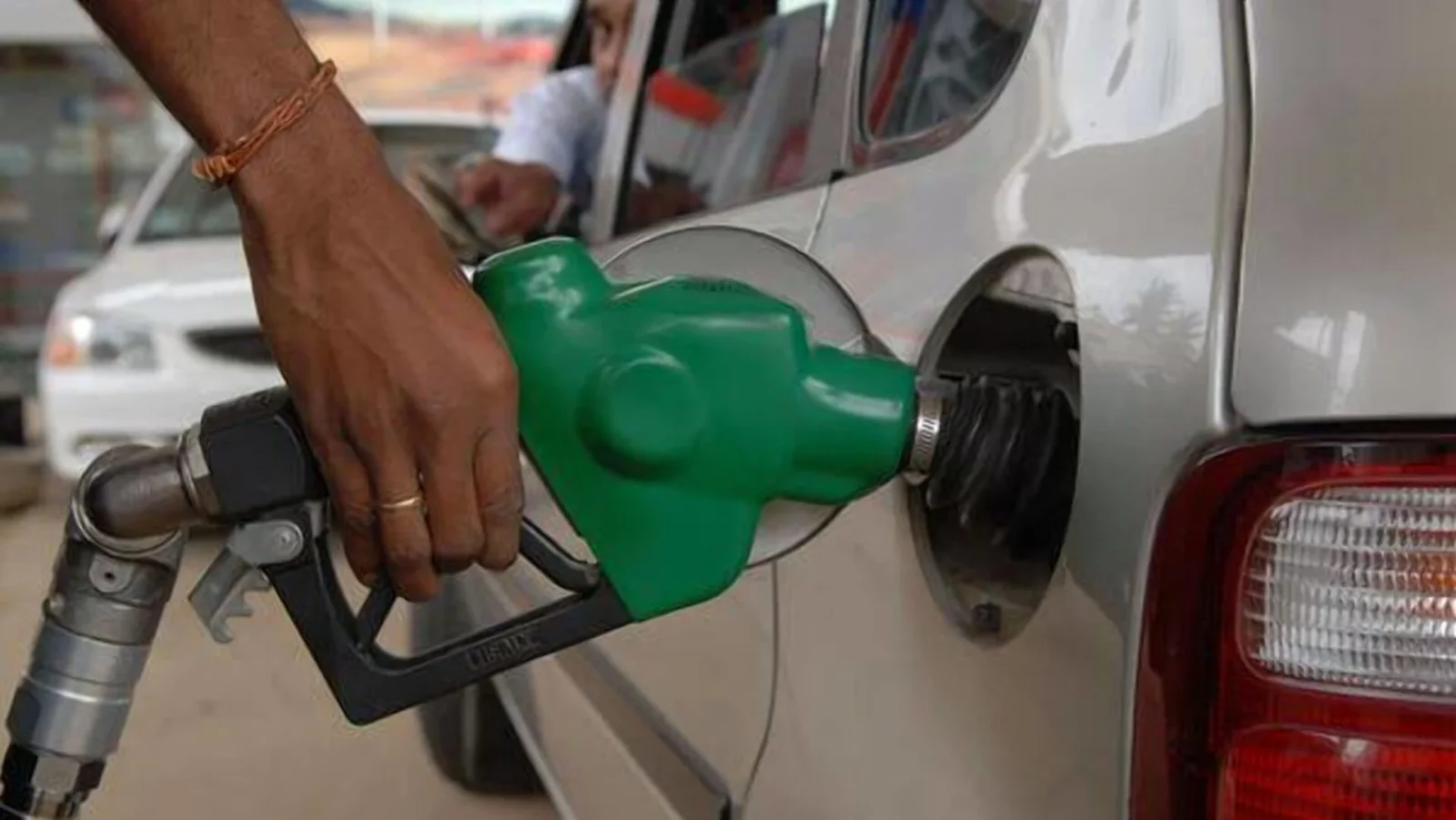
Kenya’s fuel crisis is no longer a passing phase. It has become a recurring feature of the economy, resurfacing whenever global oil markets tighten or domestic systems falter. The latest spike in prices has once again placed the Government-to-Government (G-to-G) fuel deal under scrutiny. Introduced as a stabilising mechanism, it has ensured supply to some extent, but it has not shielded consumers from rising costs or restored confidence in the sector. The real question now is not whether the deal is working, but what can realistically be done to contain the damage while fixing the system.
Accept that the problem is both global and local
Any serious response must begin with honesty. Global oil markets are volatile, and Kenya has little control over that reality. Conflicts in key producing regions continue to push up crude prices, while a strong United States dollar makes imports more expensive for countries like Kenya.
However, global pressure alone does not explain the depth of the crisis. Kenya’s pump prices have remained comparatively high within the region, even when international prices soften. This reflects domestic inefficiencies, policy trade-offs, and structural weaknesses that amplify external shocks.
Containing the crisis therefore requires action on both fronts. Kenya must manage its exposure to global volatility while correcting internal distortions.
Rework the G-to-G deal without dismantling it
The G-to-G framework was introduced for a reason. It addressed a foreign exchange crisis by allowing fuel imports on credit, reducing immediate demand for dollars. That benefit remains relevant.
But the structure needs adjustment. In its current form, the deal prioritises supply stability over price competitiveness. This is why fuel continues to flow, but at a cost that many consumers and businesses struggle to absorb.
What can be done is not to abandon the model, but to refine it. Kenya can introduce competitive elements within the framework, allowing a portion of imports to be sourced through open tender alongside G-to-G contracts. This would create price benchmarks and reduce the risk of overpricing.
Greater transparency is equally critical. Publishing pricing formulas and contract terms would not only build trust but also allow independent scrutiny, which is essential in a market of this scale.
Build strategic fuel reserves as a buffer
One of the most immediate and practical interventions is the development of strategic petroleum reserves. Kenya currently operates with limited stock cover, leaving it exposed to sudden supply disruptions and price spikes.
Strategic reserves would serve as a shock absorber. During periods of high global prices, the government could release stored fuel into the market, stabilising supply and moderating costs. This is standard practice in many economies that depend on imports.
The investment required is significant, but the cost of inaction is higher. Without reserves, Kenya will continue to react to crises instead of managing them.
Diversify supply sources and routes
The G-to-G deal has tied Kenya closely to a narrow group of suppliers, largely from the Gulf region. While these partnerships are important, over-reliance on a single supply corridor increases vulnerability.
Diversification is not about replacing existing partners. It is about expanding options. Kenya can explore sourcing from African producers such as Nigeria and Angola, as well as other international markets. A broader supplier base improves bargaining power and reduces exposure to regional geopolitical risks.
In addition, strengthening regional logistics and storage infrastructure would improve flexibility in sourcing and distribution.
Clean up governance in the fuel sector
No reform will succeed without addressing governance. Recent allegations of manipulated fuel stock data and irregular procurement have exposed weaknesses that go beyond policy design.
Containing the crisis requires restoring credibility. This means enforcing accountability, strengthening oversight institutions, and ensuring that procurement processes are transparent and rule-based.
Markets function on trust. When that trust is compromised, costs rise, not only financially but also in terms of investor confidence and policy effectiveness.
Rethink fuel taxation with a long-term lens
Fuel in Kenya carries a heavy tax burden, making it both a commodity and a significant source of government revenue. While this is understandable from a fiscal perspective, it complicates efforts to manage prices.
Short-term tax cuts and subsidies can provide relief, but they are often reactive and difficult to sustain. A more effective approach would be to establish a predictable tax framework that adjusts gradually in response to global price movements.
Targeted support can also play a role. Instead of broad subsidies, assistance could be directed to sectors that are most sensitive to fuel costs, such as public transport and agriculture. This would deliver relief where it is needed most while limiting fiscal strain.
Reduce long-term dependence on imported fuel
Ultimately, the most sustainable way to contain fuel crises is to reduce reliance on imported petroleum. Kenya has a strong foundation in renewable energy, particularly geothermal power, which already supplies a significant share of electricity.
The next step is to extend this advantage into transport and industry. Investment in electric mobility, clean public transport systems, and alternative fuels would gradually reduce demand for imported oil.
This is not an overnight solution, but it is a necessary one. Every reduction in fuel imports strengthens the country’s resilience against global shocks.
Containment requires discipline, not quick fixes
Kenya’s fuel crisis is not a problem that can be solved with a single policy decision. It is the result of interconnected issues, from global market exposure to domestic governance and structural design.
The G-to-G deal, while useful in addressing specific challenges, has shown its limits under pressure. Containing the crisis now requires a more disciplined approach, one that combines immediate interventions with long-term reform.
Building reserves, diversifying supply, improving transparency, and rethinking taxation are not dramatic measures. They are practical steps that, taken together, can stabilise the sector.
The real test is whether policymakers are willing to move beyond short-term fixes and commit to sustained, structural change. Without that commitment, the cycle of rising prices and recurring crises will continue, leaving businesses and households to absorb the cost.









Leave a comment