

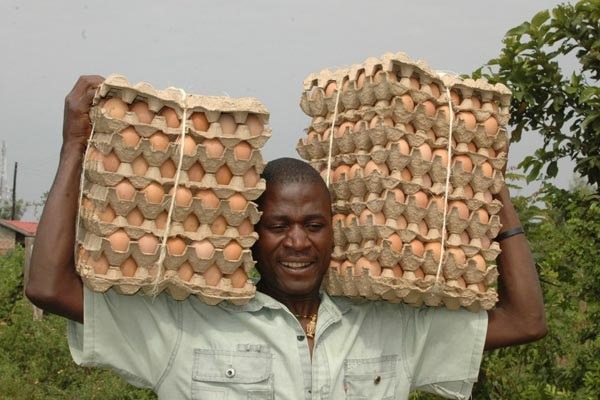
Eggs are the cheapest source of proteins but the low consumption has become a major concern in Kenya for the government and poultry farmers who have invested millions of shillings in the business.
The Project Manager for the National Agricultural and Rural Inclusive Project (NARIGP) Njoroge Githunguri said the average consumption of eggs was just ten per year and yet the minimum recommended by the World Health Organization (WHO) was 180 per person. The National Agricultural and Rural Inclusive Growth Project is a World Bank-led initiatiev aimed at increasing agricultural productivity and profitability of targeted rural communities in select counties in Kenya.
Mr Githunguri is now running a campaign to have Kenyans eat more eggs to boost their health and as a way of supporting local farmers who are currently stuck with several crates of eggs. In Kenya, poultry products are produced mainly in rural areas but consumed more in in urban settings. Eggs, for instance, are sold more in towns where they act as a breakfast accompaniment for well-to-do families or part of lunch or dinner for many.
“The culture of egg consumption in this country is low and its time we stopped looking at them as food for infants and small children because they play a major role of increasing protein intake and balanced diet for families,” Mr Githunguri said during training of poultry farmers at Subukia, Nakuru County.
Imports from East African countries as well as South Africa are also giving locals a run for their money. Mr Githunguri said the East African Trade protocol signed four years ago could not be overturned just because farmers were crying foul due to flooding of eggs in the market.
“The glut is a bonus for the consumers but it’s also a chance for our farmers to rethink their production strategies instead of blaming the government for the imports,” he said.
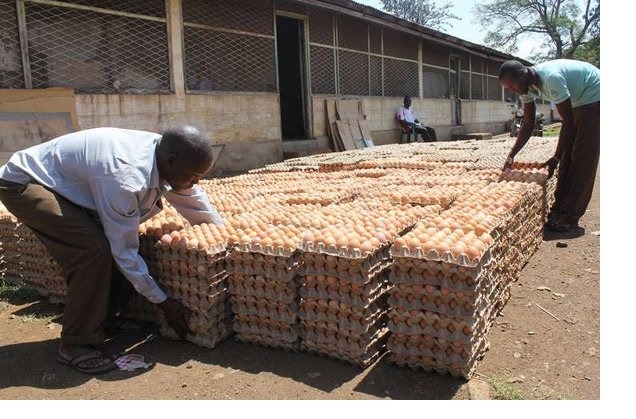
However, a farmers’ representative, Ms Elizabeth Wanjiru, said they do not fear competition but wanted the government to ensure that the importers pay tax at the border instead of smuggling in the eggs, which makes them much cheaper than the local ones.
Read Also: The ugly side of getting a light skin
“We know they buy the eggs at Sh200 per tray but how they end up selling at the same amount in the local market is a mystery and that is why we suspect that they don’t pay import duty,” she added.
Some local farmers are stuck with as many as 500 crates of eggs each which they are willing to sell at a throwaway price of Sh200 but still there are no buyers. Some of the farmers appealed to the county government to include eggs in primary school lunches to widen the market.












1 Comment