

Kenya has recorded a sharp rise in inflation, signalling renewed pressure on household budgets as the cost of food, transport and fuel continues to climb.
According to the latest figures released by the Kenya National Bureau of Statistics (KNBS), annual inflation rose to 5.6 per cent in April, up from 4.4 per cent in March. The increase marks one of the most noticeable month-to-month jumps in recent weeks, largely driven by higher prices across key consumer goods and services.
KNBS attributed the rise to increases in the Consumer Price Index (CPI), which tracks the average change in prices paid by households over time. The agency noted that food and transport costs were the biggest contributors to the upward movement.
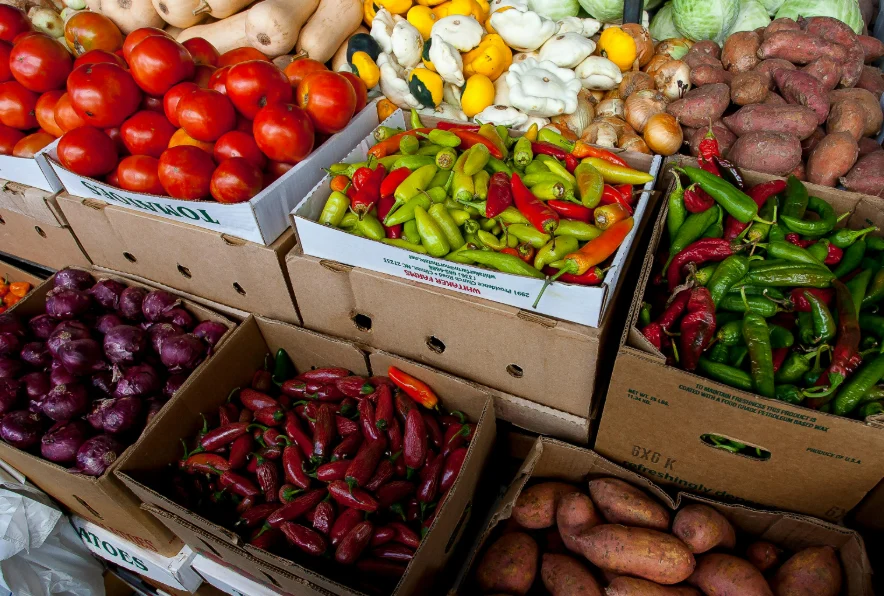
Food and non-alcoholic beverages recorded an 8.8 per cent increase, reflecting continued pressure on basic commodities such as maize flour, vegetables, cooking oil and other staples. Transport costs also rose sharply by 10 per cent, a move closely linked to fuel price adjustments and higher commuting costs in urban areas. Housing, water, electricity, gas and other fuels increased by 2.4 per cent, adding further strain to monthly household expenses.
The inflation increase comes against the backdrop of rising fuel prices earlier in the month. The Energy and Petroleum Regulatory Authority (EPRA) raised the price of super petrol by Ksh 9.37, pushing it to Ksh 197.6 per litre. Diesel increased by Ksh 10.21 to Ksh 196.63 per litre.
In its pricing review, EPRA said the adjustments were influenced by higher global oil landing costs, which have been affected by supply disruptions in the international market. This was despite a reduction in Value Added Tax (VAT) on fuel by 8 per cent, which was expected to ease pump prices.
“Higher global oil landing costs linked to supply disruptions contributed to the increase in fuel prices despite the VAT reduction,” EPRA noted in its monthly review.
Fuel remains a key driver of inflation in Kenya due to its impact on transport, food distribution and production costs. When fuel prices rise, the effect is often felt across the economy within weeks, particularly in food prices and public transport fares.
Economists have previously pointed out that Kenya’s inflation trends are heavily influenced by external factors such as global oil prices, exchange rate movements and weather conditions affecting agricultural output. Food inflation, in particular, tends to rise during periods of reduced supply or increased transport costs from farming regions to urban markets.
Despite the recent increase, Kenya’s inflation remains within the Central Bank of Kenya’s preferred range of 2.5 per cent to 7.5 per cent. However, the upward movement is likely to renew attention on the cost of living, especially among low- and middle-income households already facing stretched incomes.
The latest figures suggest that pressure on prices may continue in the short term, depending on global fuel trends and domestic food supply conditions.













Leave a comment