

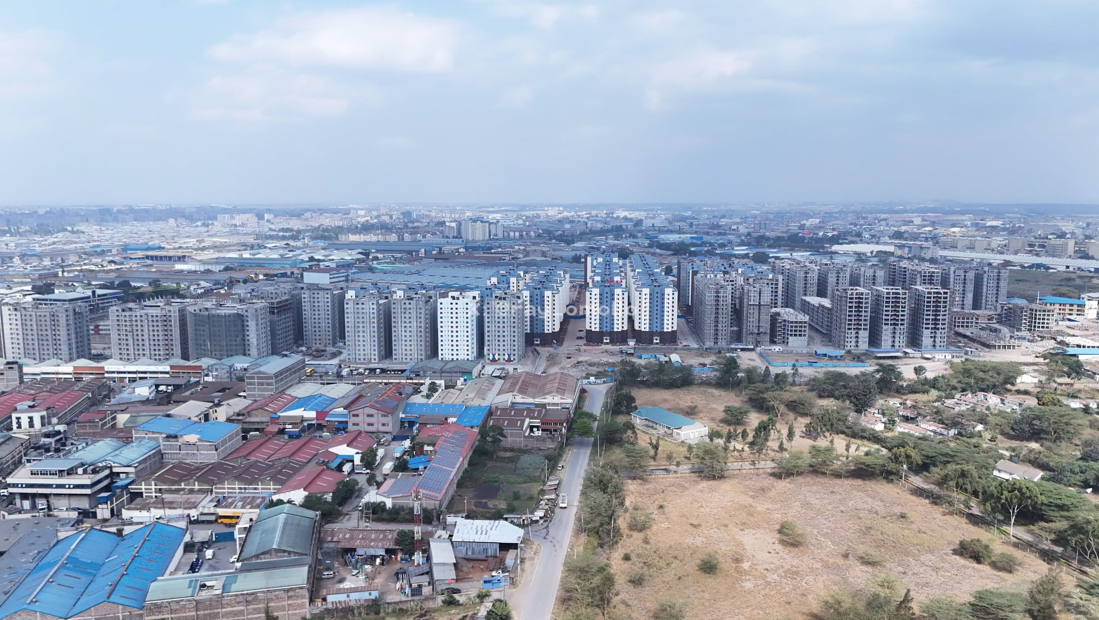
The Government is seeking additional financing partnerships to help it achieve its target of delivering 200,000 affordable housing units every year, Housing and Urban Development Principal Secretary Charles Hinga has said.
Hinga said the 1.5 per cent housing levy currently generates about KSh6 billion monthly, but the collections alone cannot finance the Government’s ambitious annual housing target.
The affordable housing programme is also being funded through proceeds from completed and sold units, with the Government recycling the revenue into the construction of new housing developments.
Hinga said the Government was exploring long-term financing arrangements with international development partners, including the World Bank, to increase the funds available for housing construction.
Under the proposed financing model, collections from the housing levy would help leverage additional funding, while repayments from completed housing units would provide another source of capital for new projects.
The approach is intended to create a revolving financing model in which money generated from completed developments is continuously reinvested to support construction of additional units.
Hinga said homebuyers who complete payments for their houses under the tenant-purchase arrangement will receive sectional title deeds to formally confirm ownership.
Nyali project nears completion
Meanwhile, construction of the Boma Yangu Nyali VOK Estate in Mombasa has reached 74 per cent, with about 85 per cent of the units already taken up.
The development comprises 14 residential blocks offering studio, one-bedroom, two-bedroom and three-bedroom units under both affordable and market-price categories.
The Government expects the project to achieve full uptake by December.
Prospective homeowners have welcomed the development, saying it provides an opportunity to acquire larger and more private homes while accessing essential amenities located nearby.
They cited the availability of roads, schools and a hospital around the estate as some of the factors making the development attractive.
For some buyers, the project also provides an opportunity to transition from renting to home ownership at a time when rental costs remain a major expense for many households.
The Government says expanding financing beyond the housing levy, while recycling proceeds from completed projects, will be crucial to increasing the pace of construction.
The additional funding arrangements are expected to help bridge the financing gap and enable the Government to move closer to its annual target of 200,000 affordable housing units while widening access to home ownership.
Read: Affordable Housing: What Has Been Achieve By Ruto’s Flagship Project So Far
>>> Mukuru Housing Project Gives 4,500 Families New Start











Leave a comment