

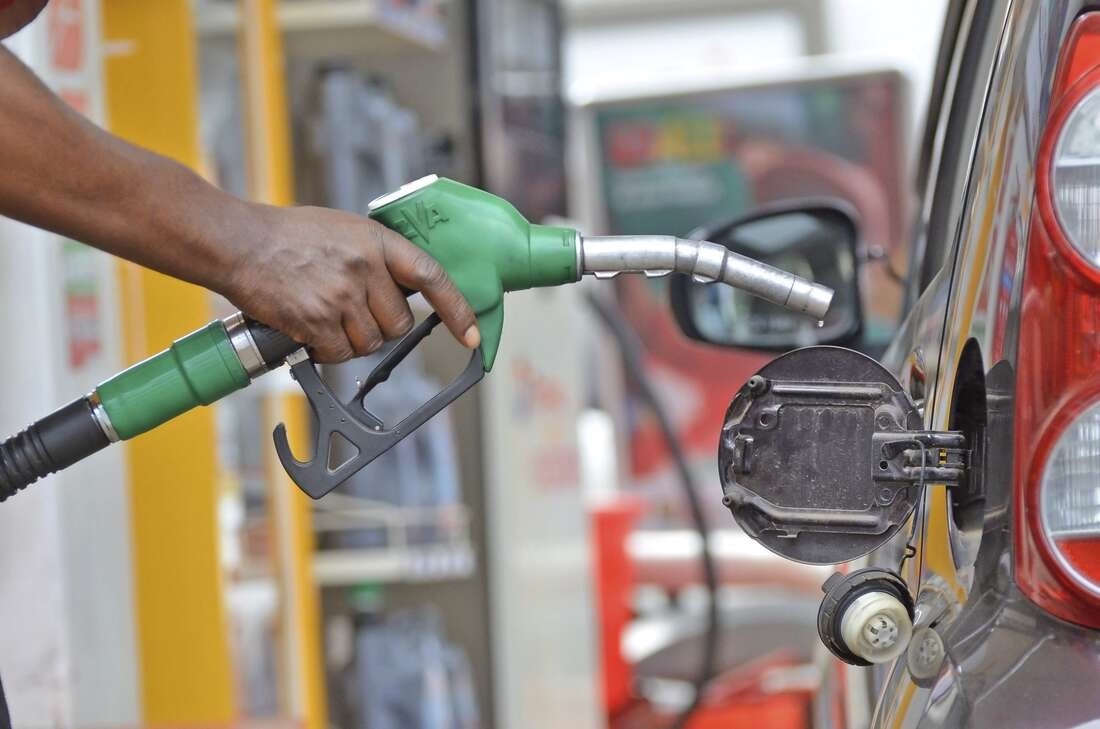
Motorists and businesses are set to benefit from significantly lower fuel prices after the Energy and Petroleum Regulatory Authority (EPRA) announced a sharp reduction in diesel prices for the period between June 15 and July 14, 2026.
In its latest monthly fuel price review, EPRA said the maximum retail price of diesel will decrease by KSh10 per litre, while super petrol will decline marginally by KSh0.22 per litre. Kerosene prices will remain unchanged.
The regulator attributed the new prices to movements in international petroleum markets and government intervention through the Petroleum Development Levy (PDL) Fund.
“The Government will in this cycle cushion consumers through the Petroleum Development Levy Fund by utilizing approximately KSh10 billion to subsidize the prices of diesel and kerosene,” EPRA said in a statement.
The subsidy comes at a time when the government is seeking to lower the cost of living and reduce production and transport expenses across the economy.
According to EPRA, the average landed cost of imported super petrol fell by 0.56 per cent from US$906.23 per cubic metre in April to US$901.16 per cubic metre in May.
However, the landed cost of diesel increased slightly by 0.21 per cent from US$1,291.98 per cubic metre to US$1,294.71 per cubic metre over the same period.
The average landed cost of kerosene declined by 0.33 per cent from US$1,332.73 per cubic metre to US$1,328.36 per cubic metre.
Despite the increase in diesel import costs, consumers will benefit from substantially lower pump prices due to the government’s subsidy programme.
EPRA noted that fuel prices continue to be influenced by developments in international markets, where Kenya sources all its refined petroleum products.
Data released by the regulator shows international fuel prices have remained volatile over the past year. Super petrol prices rose from US$716.94 per metric tonne in June 2025 to US$1,127.09 per metric tonne in May 2026.
Diesel prices increased from US$616.47 per metric tonne in June 2025 to US$1,108.58 per metric tonne in May 2026, while kerosene prices climbed from US$647.20 per metric tonne to US$1,164.11 per metric tonne during the same period.
The regulator also highlighted the impact of exchange rate fluctuations on local fuel prices since petroleum products are traded globally in United States dollars.
The Kenya shilling traded at an average of KSh129.82 against the US dollar in May 2026, compared to KSh129.56 in April.
EPRA said the revised fuel prices are inclusive of Value Added Tax (VAT) and take into account applicable taxes, levies and inflation-adjusted excise duty rates.
The new prices, which take effect from June 15, are expected to provide relief to transport operators, manufacturers, farmers and households, with the sharp reduction in diesel costs likely to have the greatest impact across the economy given its extensive use in transport, agriculture and industry.
The announcement comes just days after Energy and Petroleum Cabinet Secretary Opiyo Wandayi indicated that the government would continue pursuing measures aimed at lowering energy costs and improving the competitiveness of Kenyan businesses.
Read: State Signals Diesel Price Drop as Fuel Stocks Remain Stable
>>> KRA Reveals Ksh9.1B Revenue Loss After Fuel VAT Reduction














Leave a comment