

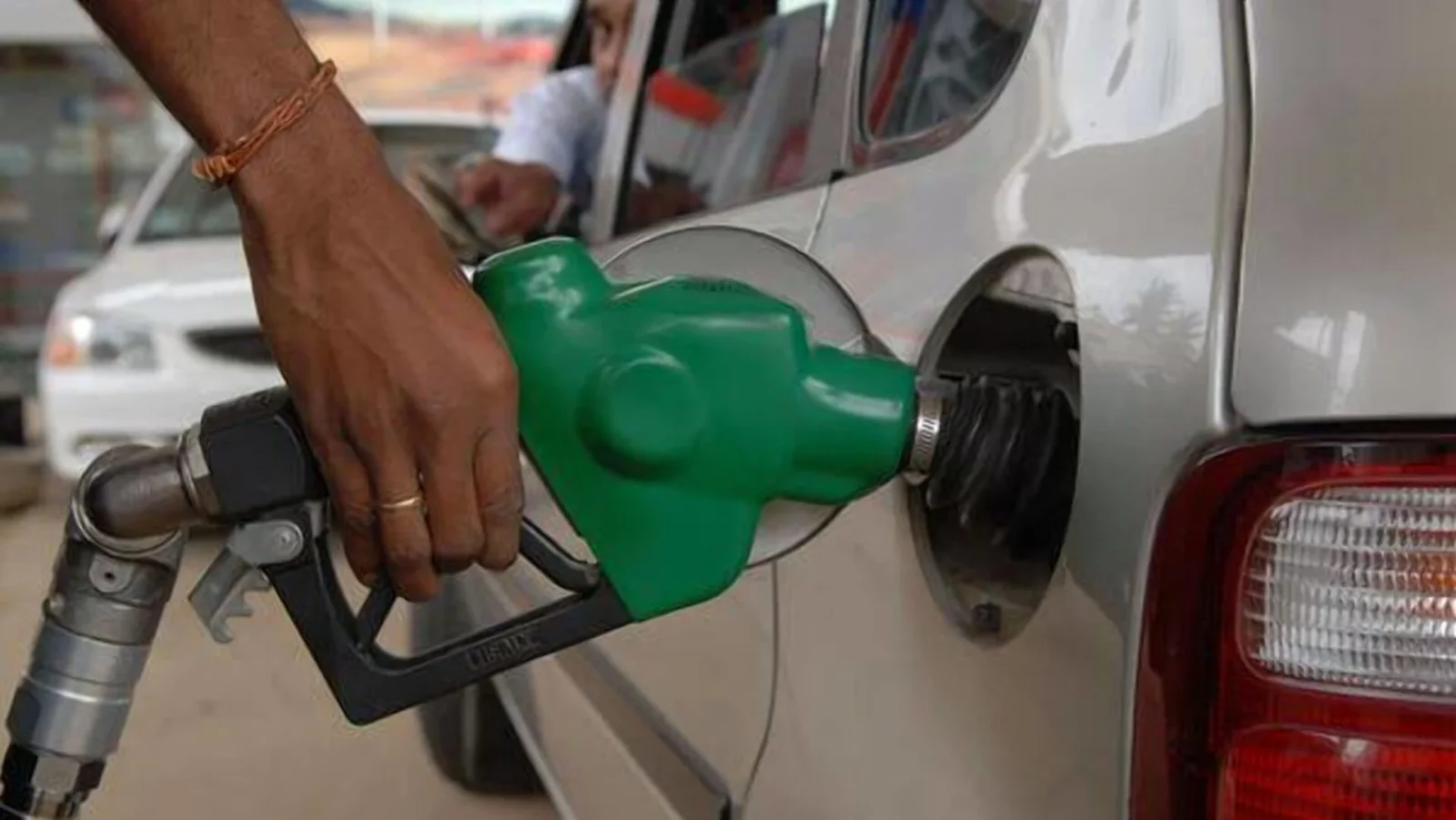
With just days remaining before the next fuel price review, the government has assured businesses and consumers that diesel prices are set to fall further as Kenya maintains sufficient fuel stocks to meet demand over the coming weeks.
Energy Cabinet Secretary Opiyo Wandayi announced the planned reduction after holding consultations with manufacturers under the Kenya Association of Manufacturers (KAM), saying the move is aimed at easing the cost burden facing key sectors of the economy. The expected price cut comes at a time when many businesses are struggling with high transport, production and distribution expenses driven largely by fuel costs.
Wandayi said the government had already secured fuel deliveries through the end of July, a move he noted would protect the country from supply disruptions and shortages being experienced in some parts of the world due to instability in global energy markets.
“Kenya has maintained a fairly stable position, with decisive steps to ensure an adequate and uninterrupted supply of petroleum products taken from time to time,” Wandayi said.
He added that the government remains committed to lowering the cost of diesel, noting that the fuel plays a critical role in powering transport, agriculture, manufacturing and other productive sectors.
“The Government will ensure a further reduction in diesel prices in the next monthly review. Diesel is a critical input that powers transport, agriculture, manufacturing and other sectors of the economy,” he said.
The anticipated reduction follows a directive issued by President William Ruto last month, when he announced that diesel prices would be lowered by Sh10 per litre in the June-July pricing cycle following consultations with transport operators. The announcement came after public transport operators staged protests over rising fuel costs, arguing that higher pump prices were making operations unsustainable.
Diesel remains the backbone of Kenya’s economy. Data from the Energy and Petroleum Regulatory Authority (EPRA) shows it is the country’s most consumed petroleum product, accounting for nearly half of all fuel used locally. Consumption rose to almost 2.9 billion litres in 2025, reflecting its importance in moving goods, powering factories, supporting farming activities and facilitating public transport across the country.
Any increase in diesel prices is usually felt across the economy within a short period, as transporters pass the additional costs to consumers through higher fares and freight charges. Manufacturers also face higher production costs, which often translate into more expensive goods on supermarket shelves.
Industry players welcomed indications that prices could decline further during the upcoming EPRA review. Manufacturers said lower fuel costs would help reduce operating expenses at a time when businesses are under pressure from expensive energy, logistics costs and weak consumer spending.
Petroleum Outlets Association of Kenya Chief Executive Officer and KEPSA Energy Board Vice-Chair Martin Njuguna said stakeholders had been assured that fuel supplies remain stable and that consumers could expect some relief in the next pricing cycle.
The discussions between KAM and the Energy Ministry also focused on another major concern for manufacturers: electricity costs. Businesses have repeatedly argued that industrial power tariffs in Kenya remain higher than those in competing regional economies, making locally produced goods less competitive.
KAM Head of Sustainability Joyce Njogu noted that while electricity reliability has improved significantly in recent years, energy costs remain a major challenge for manufacturers seeking to expand production and increase exports.
The talks come shortly after the government suspended a proposed electricity tariff review and announced a reduction in June power bills, citing lower fuel costs, increased hydropower generation and reduced foreign exchange adjustment charges.
Wandayi said the government is pursuing a broader strategy to ensure affordable, reliable and sustainable energy supplies. He added that discussions with manufacturers will continue as both sides work on a roadmap aimed at lowering industrial energy costs and strengthening Kenya’s position as a regional manufacturing hub.
Despite the optimism, analysts warn that future fuel prices will still depend heavily on movements in global oil markets, particularly ongoing geopolitical tensions in major oil-producing regions. The government has also been absorbing part of the fuel cost burden through various interventions, with the Kenya Revenue Authority recently estimating that billions of shillings in tax revenue were forgone to cushion consumers from higher petroleum prices.
For now, however, businesses and motorists will be watching closely as EPRA prepares to announce the next fuel prices, with expectations growing that diesel users could soon get some much-needed relief.












Leave a comment