BUSINESS

Diaspora Inflows Fall by Ksh21.6B Amid Stable Foreign Reserves

Share
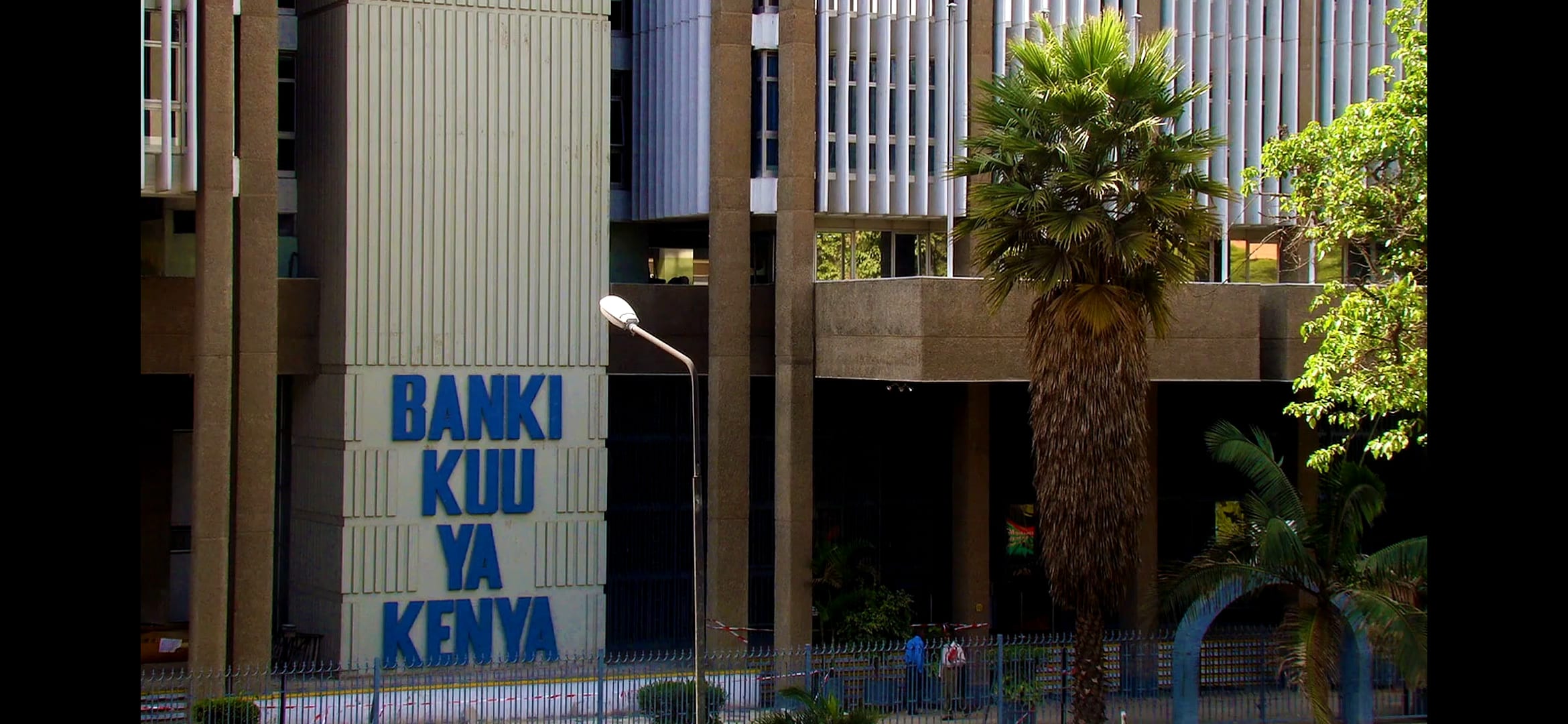
Outside Central Bank of Kenya (CBK) headquarters in Nairobi.
Central Bank of Kenya (CBK) headquarters in Nairobi.

Share

A slight dip has been recorded in the amount of money Kenyans in the diaspora are sending back home, even as the country’s foreign reserves remain strong.

New figures from the Central Bank of Kenya (CBK) show that diaspora remittances stood at about Ksh 1.85 trillion as of March 16, 2026, down from Ksh 1.87 trillion recorded on March 12. This reflects a decline of roughly Ksh 21.6 billion over the period.

Even so, CBK maintained that the country’s external position is still stable, pointing to healthy foreign exchange reserves.

“The foreign exchange reserves remained adequate at USD 14,294 million (6.1 months of import cover) as of March 18. This meets CBK’s statutory requirement to maintain at least four months of import cover,” the bank said in its weekly update.

Short-term dip amid steady inflows

The drop in remittances comes after months of relatively stable inflows, highlighting the natural fluctuations in diaspora transfers, which are often influenced by global economic conditions, exchange rates and seasonal trends.

Despite the recent slowdown, remittances remain one of Kenya’s most dependable sources of foreign exchange, consistently outperforming traditional sectors such as tourism, tea and horticulture.

In January 2026, Kenyans abroad sent home about Ksh 53 billion. While this was slightly lower than what was recorded in January 2025, the overall trend over the past year shows resilience, with inflows remaining steady.

Reserves boosted by Eurobond, long-term growth intact

Kenya’s foreign exchange reserves have also been strengthened by recent activity in the international debt market.

In February, the government raised about Sh290.3 billion through a Eurobond to refinance existing debt and support budgetary needs.

Treasury Cabinet Secretary John Mbadi said the bond was issued in two tranches, with maturity periods between 2032 and 2039.

“The dual-tranche Eurobond includes notes maturing between 2032 and 2039, with yields of 7.875 per cent and 8.7 per cent,” Mbadi said.

The proceeds have helped boost the country’s external buffers, easing pressure on the shilling and strengthening Kenya’s ability to meet its international obligations.

Over the years, diaspora remittances have grown significantly, rising from about $1.5 billion in 2015 to over $5 billion by 2025. The Central Bank projects that inflows could reach about Ksh 676 billion in 2026 if the current trend continues.

For many households, the money sent home supports basic needs such as food, school fees and healthcare. At a national level, it remains a key pillar in stabilising the economy, even when short-term declines such as the latest Sh21.6 billion drop are recorded.

Leave a comment

Leave a Reply

Your email address will not be published. Required fields are marked *

PAST ARTICLES AND INSIGHTS

Related Articles
A past NSE all share market watch
BUSINESS

I&M Bank MTN Debuts on NSE After Ksh23.2B Investor Rush

I&M Bank has officially opened trading for its Medium-Term Note (MTN) at...

KenGen HQ
ECONOMYMARKETS

KenGen Seeks Nod from EPRA to Supply Power to its Green Energy Park

KenGen is seeking approval from Energy and Petroleum Regulatory Authority(EPRA) to transmit...

Bulk Airtime[1]
BUSINESS

How to Buy Bulk Airtime for Many People Once in Kenya

If you own a company or work in corporate, you understand the...

UDA Secretary General Hassan Omar
POLITICS

UDA Launches Scathing Attack on Uhuru in 12-Page Open Letter

The ruling United Democratic Alliance has intensified its political offensive against former...