

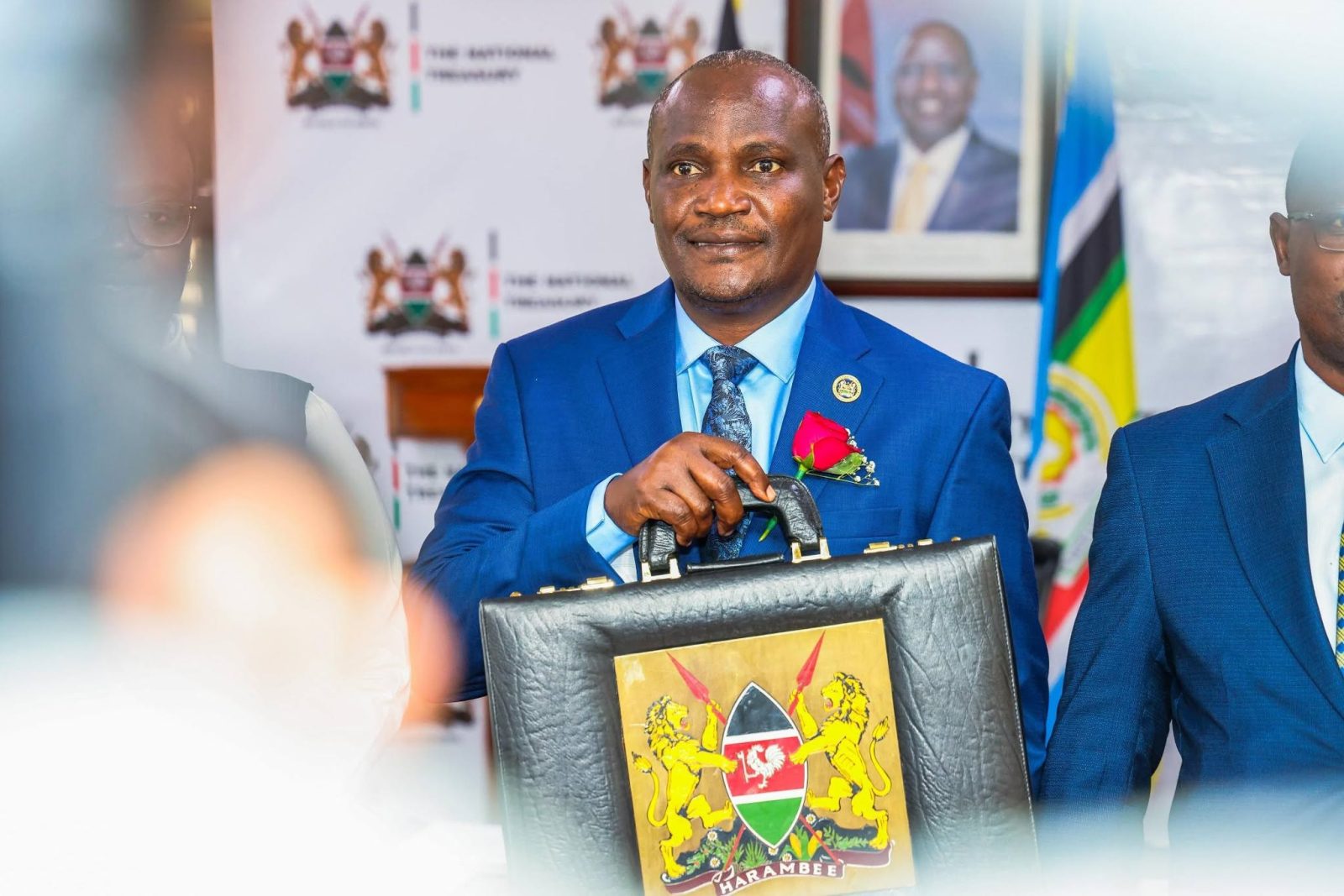
Deloitte East Africa has expressed cautious optimism over Kenya’s 2026/27 national budget, saying it strikes a delicate balance between supporting economic growth and maintaining fiscal discipline amid mounting debt pressures and an uncertain global economic environment.
The professional services firm said the budget demonstrates the government’s commitment to sustaining economic expansion while avoiding significant tax increases that could weigh on businesses and households. However, it warned that rising public debt, inflationary pressures and geopolitical uncertainties remain key risks that could undermine the budget’s objectives if reforms are not implemented consistently.
Speaking during the launch of Deloitte Kenya’s Budget Highlights report themed “Balancing Fiscal Realities with Public Expectations,” the firm’s analysts noted that Kenya’s economy remains resilient despite domestic and external challenges.
According to Deloitte, Kenya’s Gross Domestic Product (GDP) is projected to expand from 4.6 per cent in 2025 to 5 per cent in 2026, supported by continued growth in the services, manufacturing and agricultural sectors.
Deloitte East Africa Chief Executive Officer Anne Muraya said Kenya continues to benefit from strong economic fundamentals that position it favourably for future growth.
She cited a vibrant private sector, increasing digital transformation, strong regional trade connectivity and a youthful skilled workforce as some of the country’s key competitive advantages.
“The foundations for economic growth remain strong, but maintaining momentum will require policy consistency and continued support for productive sectors of the economy,” Muraya said.
The firm also welcomed increased government spending in sectors viewed as critical to long-term economic development.
Education received the largest budget allocation at KSh784.5 billion, while more than KSh531 billion was earmarked for energy, infrastructure and information and communication technology projects.
Deloitte said investments in these sectors could enhance productivity, improve competitiveness and support job creation over the medium term.
At the same time, the firm noted that the government had largely avoided introducing major new tax measures in the budget, a move expected to provide relief to businesses and consumers already facing elevated living and operating costs.
Fred Omondi, Tax and Legal Partner at Deloitte East Africa, said the absence of significant tax increases could help preserve business confidence and support economic activity.
“The government has avoided introducing many painful tax measures, but we expect more aggressive efforts in tax administration and compliance to enhance revenue collection,” said Omondi.
He noted that tax enforcement and compliance initiatives are likely to become increasingly important as the government seeks to meet ambitious revenue targets without imposing additional tax burdens.
Despite the positive aspects of the budget, Deloitte cautioned that global economic developments could complicate implementation.
The firm warned that escalating geopolitical tensions, particularly in the Middle East, could trigger higher fuel and fertiliser prices, increasing inflationary pressures across the economy.
Deloitte projects inflation to rise to 5.7 per cent next year, potentially squeezing household purchasing power and raising operating costs for businesses.
Gladys Makumi, Deloitte East Africa’s Strategy, Risk and Transactions Partner, said transport costs remain one of the biggest transmission channels for inflation.
“Transport affects almost every aspect of the economy. Once transport costs rise, consumers inevitably feel the impact through higher prices,” she said.
The firm also flagged growing concerns over Kenya’s public debt burden.
Public debt is projected to reach 68.8 per cent of GDP, while the fiscal deficit is expected to stand at KSh1.146 trillion during the fiscal year.
According to Deloitte, failure by the government to achieve its revenue collection targets could lead to additional borrowing, further increasing pressure on public finances.
Omondi warned that borrowing to finance recurrent expenditure would heighten concerns about debt sustainability and could limit fiscal flexibility in the future.
To strengthen investor confidence and support sustainable economic growth, Deloitte is urging the government to maintain fiscal discipline, provide policy predictability and ensure reforms are implemented consistently.
Walter Mutwiri, Tax and Legal Partner at Deloitte East Africa, said improving public trust in government spending would also be critical in enhancing voluntary tax compliance.
He argued that taxpayers are more willing to meet their tax obligations when they can clearly see value from public spending through improved service delivery, infrastructure and economic opportunities.
Deloitte concluded that while the 2026/27 budget provides a framework for economic resilience and growth, its success will largely depend on prudent debt management, effective implementation and a stable policy environment capable of supporting private sector investment and long-term economic expansion.
Read: Budget 2026: Are We Building an Economy That Produces or One That Consumes?
>>> Kenya’s 2026/27 Budget. How the Pie is Divided













Leave a comment