

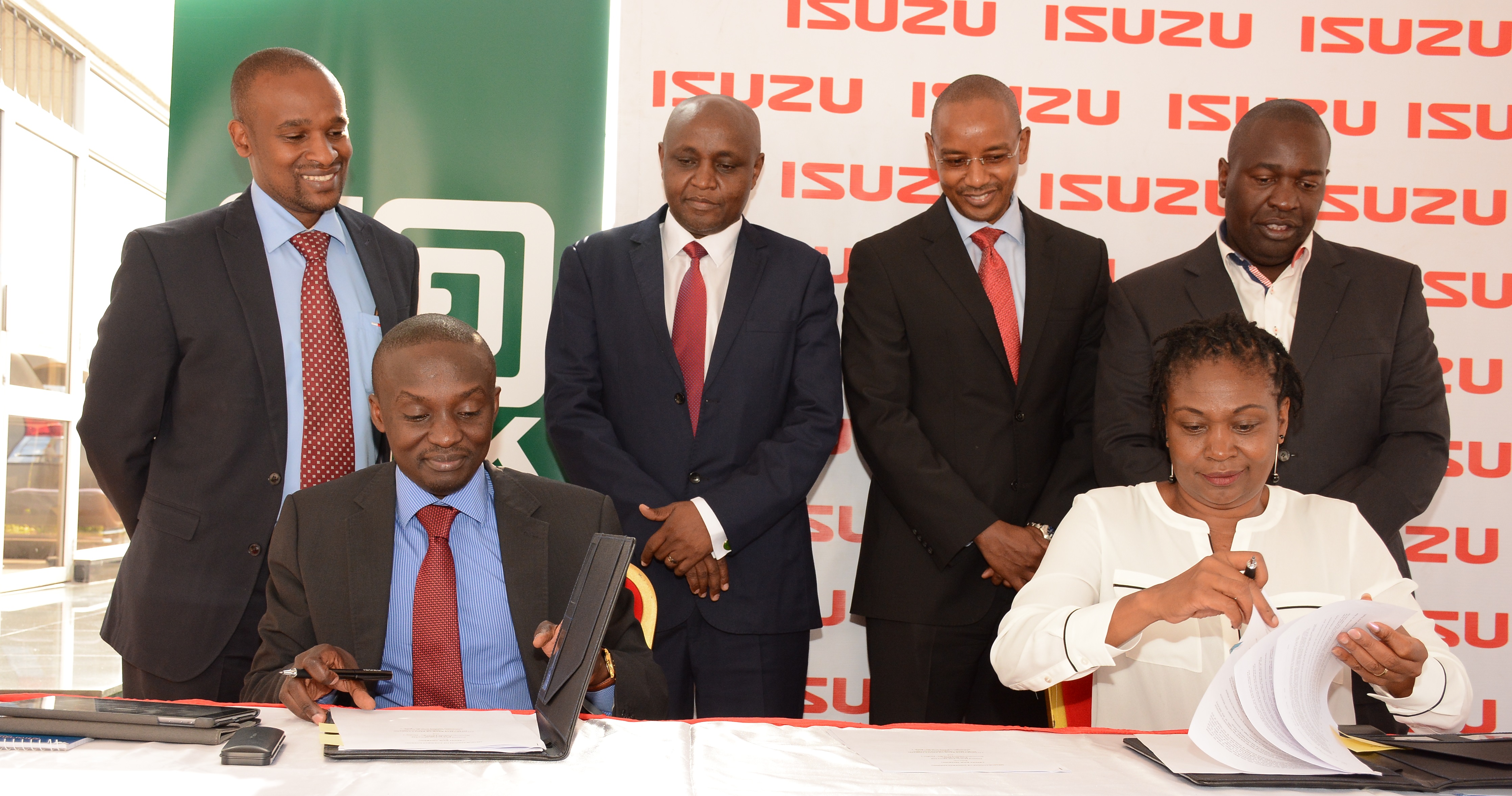
General Motors East Africa (GMEA) and Co-operative Bank of Kenya have signed a partnership that will see SMEs receive 95% financing for Isuzu vehicles. The loan will be charged at an interest rate of 14% on reducing balance. The partnership, which was signed at GMEA offices, is set to address the critical challenge of access to finance for SMEs.
In addition to the loan facility, asset finance borrowers will also be able to receive a working capital loan of up to a maximum of Kshs300,000 to enable them jumpstart their businesses repayable in 12 months. The asset finance repayment period is up to five years.
GMEA Managing Director Rita Kavashe noted that increasing access to financial services for SME sector is key to the realisation of business growth. “In the Kenyan context, small business sector is at the heart of a vibrant economy. Given the pivotal role SMEs play in fuelling innovation and employment-creation, understanding the opportunities, gaps and challenges in the SME finance market is crucial to maintaining our current growth momentum,” said Ms Kavashe.
She said that GMEA is looking at making it easier for SMEs to access financing for Isuzu vehicles to build their businesses. “We have taken it upon ourselves to innovate ways that will make it easier for SMEs to access our products when they need it,” she added.
Bank’s key role
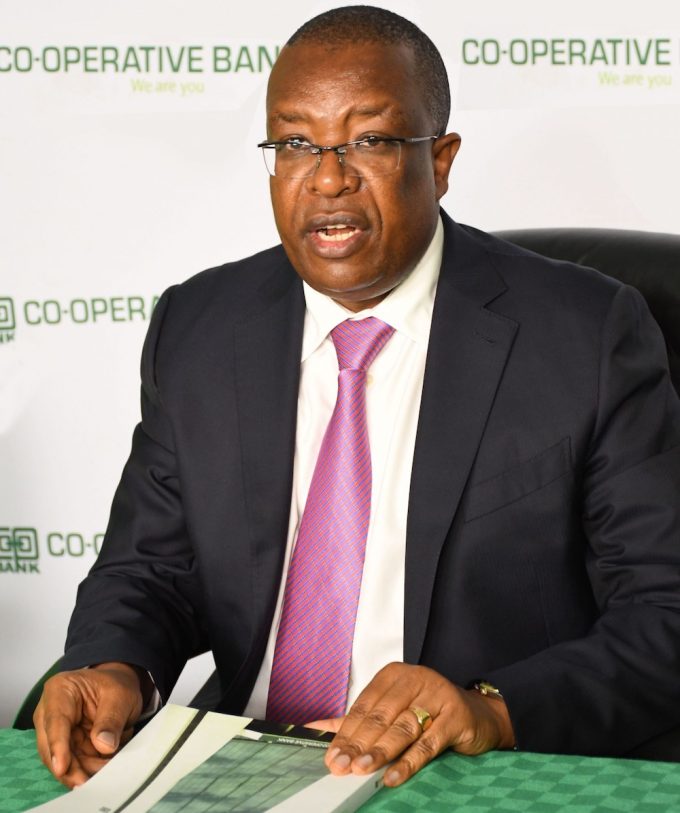
According to a 2016 study commissioned by Strathmore Business School, 2.2 million SMEs have closed down in the last five years. 73% of these SMEs were made up of motor vehicles and motorcycles repair businesses. Maurice Matumo, Co-operative Bank’s Director for Retail and Business Banking, said banks play a key role in growing SMEs and by extension the entire economy.
“As the Kenyan economy is poised to embark on a period of relatively high growth, the financial sector’s role to channel credit affordably and efficiently to SMEs will become ever more central for inclusive and sustained economic development. As such, our key objective is to enable trade between larger companies and SMEs by providing better access to markets through improving access to finance,” said Matumo.
For an SME to benefit from the scheme it has to have operated for at least six months with a clear bank statements for the last consecutive six months. A registration certificate will also be required from the government. The partnership is set to run for the next five years.
[crp]












Leave a comment