

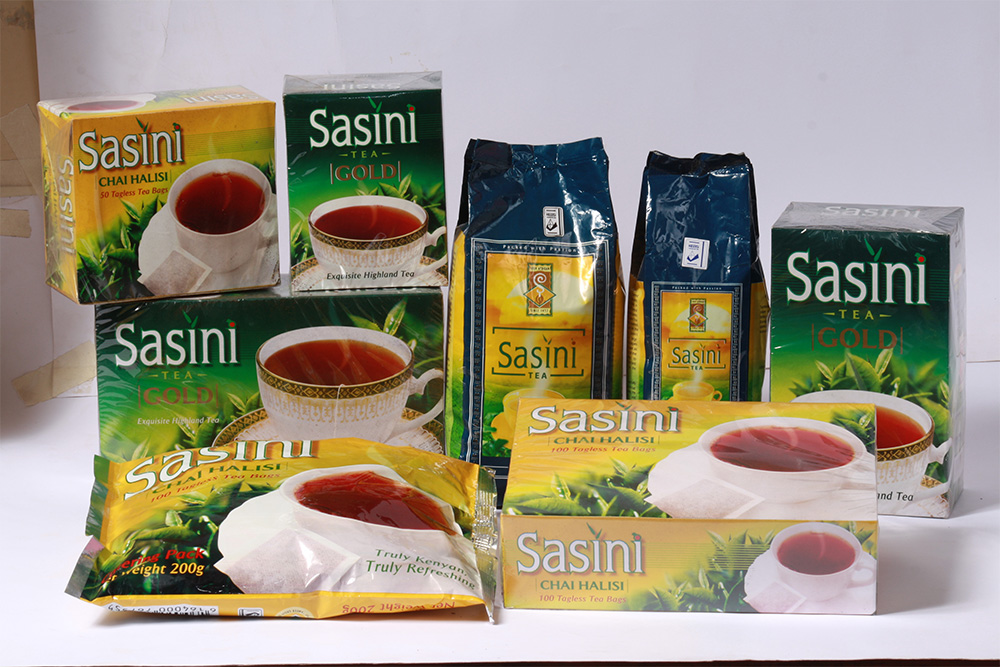
Sasini Plc, a listed agricultural firm engaged in the growing and processing of tea, coffee, avocado, macadamia nuts and value addition of the related products for local retail and export markets, saw its net loss widen to KSh 170.8 million at the end of the half year period ended 31st March 2026 from a net loss of KSh 113million in H1 2025.
The firm, which runs tea warehousing facilities in the port town of Mombasa, however, grew its revenue by 1.7% to KSh 3.01 billion and gross profit improved 8.2% to KSh 617 million, yet the operating loss more than doubled to KSh 214.8 million.
Sasini, the firm that is also involved in the value addition of these farm produce destined for local retail and export markets, recorded fall in its balance sheet movement with Cash and cash equivalents decline to just KSh112 million while current liabilities rose sharply to KSh 3.59 billion.
Directors of Sasini cite drought-related challenges in the first quarter, lower production volumes, depressed prices at the Mombasa Tea Auction and continued logistics disruptions.
Sasini was selling into a weaker pricing environment while still carrying many of the costs required to operate its estates and processing facilities.
The firm, which has over 6,000 shareholders, the majority of whom are Kenyans, saw its tea business remain under significant pressure during the period. While it sold more and generated slightly higher revenue it was still struggling because margins were under pressure.
Interestingly, coffee continued to be the group’s strongest performer.
Global coffee prices have remained elevated due to supply constraints in major producing countries, and Sasini benefited from stronger export demand. Without coffee, the results could have looked materially worse.
Sasini Financial Metrics and Underlying loss drivers
Analysts maintain that from an investor’s perspective, one of the most important developments was not actually the loss figure but that liquidity pressure increased during the period.
What investors should monitor closely is whether cash generation improves and whether short-term obligations remain manageable.
A key during the six months ended period ended March 2026 was the termination of the proposed Gulmarg Estate sale.
The transaction had previously been viewed as a potential source of significant liquidity and value unlocking. With the buyer failing to meet contractual obligations, that expected cash inflow is no longer part of the investment story for now.
Looking beyond the headline loss, this is less a story of operational collapse and more a story of a company navigating a difficult agricultural cycle.
While Tea business struggled, Coffee supported earnings, liquidity tightened and a major asset sale failed to materialise.
Sasini financial performance in the second half thus hinges on whether agricultural conditions will improve, and if stronger coffee prices and the second-half macadamia season can offset the pressures experienced in the first half.
A statement from the Sasini Plc Board of Directors said the despite a challenging period for the Kenyan tea industry, the coffee unit provided a vital buffer. The macadamia and avocado units are yet to begin their trading season which occurs in the second half of the financial year.
The first half of the year was characterized by a complex operating landscape. Adverse weather in the first quarter, geopolitical tensions and rising logistics costs caused by the Middle East crisis, pressured production volumes and export efficiency.
While the Sasini coffee segment remained a standout performer with resilient pricing, the tea industry faced significant headwinds, including depressed prices at the Mombasa Auction due to global oversupply.
Conversely, the macadamia sector saw a strong recovery for the farmers, and the avocado segment focused on maintaining quality despite shipping disruptions. Although the Kenyan Shilling remained stable, bolstered by tourism and diaspora inflows, inflation and logistics hurdles continue to strain the export outlook.
Directors of Sasini Plc attribute the net loss for the period to drought related volume challenges in Q1, logistic disruption for its fruit business due to the war in the Middle East, increased costs, and a rise in selling and distribution expenses as the firm aggressively expanded its market reach.
With a balance sheet size of KSh 28.3 billion, Sasini Plc strategic focus remains on optimizing the revenue and profit lines driving private tea sales, activation of shipments of contracted coffee, and the launching of the new seasons for macadamia and avocado.
Sasini terminates Sale of Gulmarg Estate
Directors have notified all stakeholders that the sale transaction in respect of Gulmarg Estate, previously classified as an asset held for sale has been formally terminated. The termination arose because of the purchaser’s failure to fulfil key contractual obligations by the stipulated due dates. The Gulmarg Estate will accordingly revert to operational use and will no longer be classified as an asset held for sale in the Company’s financial statements.
In view of the results, the Directors of Sasini Plc do not recommend the payment of an interim dividend.
The Board remains confident that the company will navigate the adverse macro challenges it is facing to finish the remainder of the year as strongly as it can.
ALSO READ:
| Sasini eyes India, China due to logistical challenges in US, Europe |














Leave a comment