

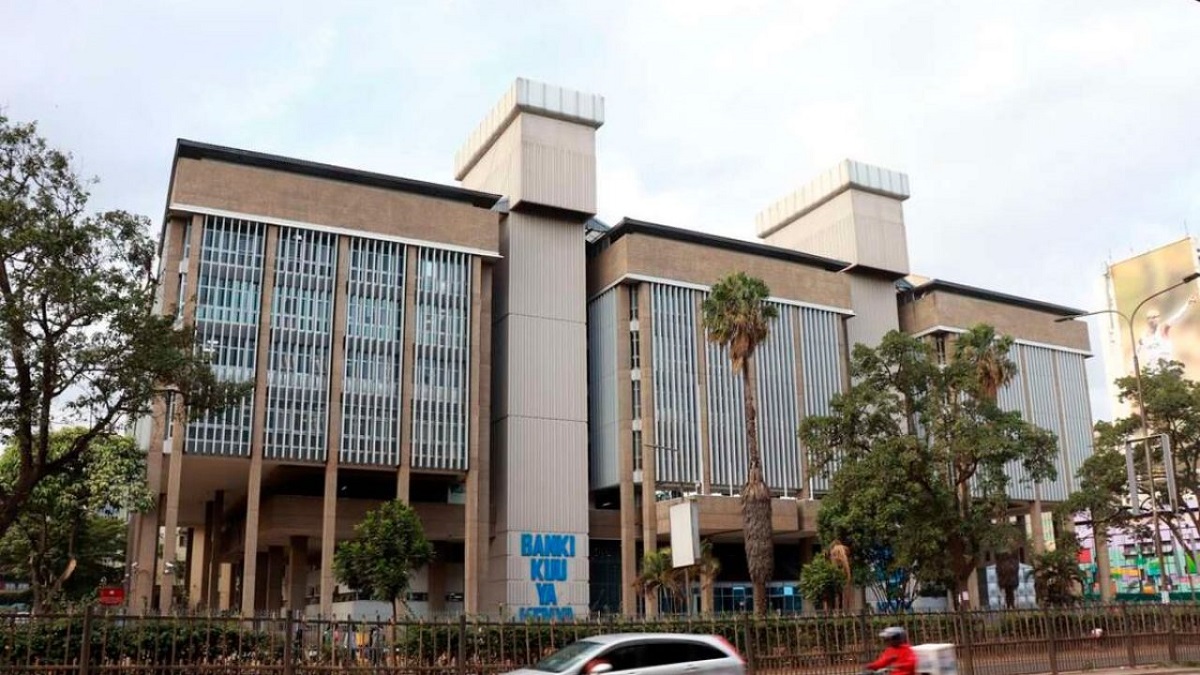
The Central Bank of Kenya (CBK) Monday 27th September announced it had paid the Treasury Ksh5.5 billion in dividend. The latest payout adds to the Ksh5 billion the National Treasury received seven months ago from the banking sector regulator, bringing the total this year to Ksh10.5 billion from CBK’s General Reserve Fund (GRF).
This distribution is in accordance with Sections 9 and 51 of the CBK Act, relating to the treatment of CBK’s net annual profits, and followed approval by the CBK Board. The transfer – loosely known as “remitting of dividends” – was executed by crediting the Ministry of Finance’s Deposit Account at CBK.
“In the context of its discussion of the Financial Statements for 2020/2021, and having weighed the various factors as stipulated by law, the CBK Board authorized the additional transfer of Ksh5.5 billion to the Government Consolidated Fund from the CBK’s GRF,” CBK said in a statement,@ CBK said in a statement.
“In making its determination, the CBK Board also considered CBK’s financial needs with the objective of ensuring CBK is well-resourced to deliver on its mandate in the increasingly uncertain economic environment.”
CBK’s surplus for the year ended June 2020 increased 59 percent to Ksh41.5 billion. The Treasury has in the past put the CBK on the spot over revenues that should accrue to the State. Treasury Secretary Ukur Yatani earlier complained that CBK was one of the State corporations that had withheld payment of dividends to the Treasury despite orders to surrender the cash.
GRF resources are needed for various reasons including among others:
- Modernizing CBK’s facilities and infrastructure in keeping with its mandate. The completion of the identified projects will play an important role in CBK’s long-term health and viability, strengthening its operations in line with its responsibilities and changes in the financial sector.
- Provision of new generation currency in line with the 2010 Constitution. CBK is mandated to issue new generation currency, with an expected cost of Ksh15 billion.
- Strengthening CBK’s financial position to make it more resilient to shocks. To keep up with the significant growth of the financial sector and ensure that it can discharge its functions even in times of stress while sustaining its financial independence, CBK needs to increase its paid-up capital in the period ahead towards its authorized capital of Ksh50 billion.
Next Read
>> Minting Billions From Student Hostels, The Qwetu Way
>> Men Still Earning More Than Women For Same Jobs
>> Outcry As KRA Ends Nairobi Parking Waiver












Leave a comment