

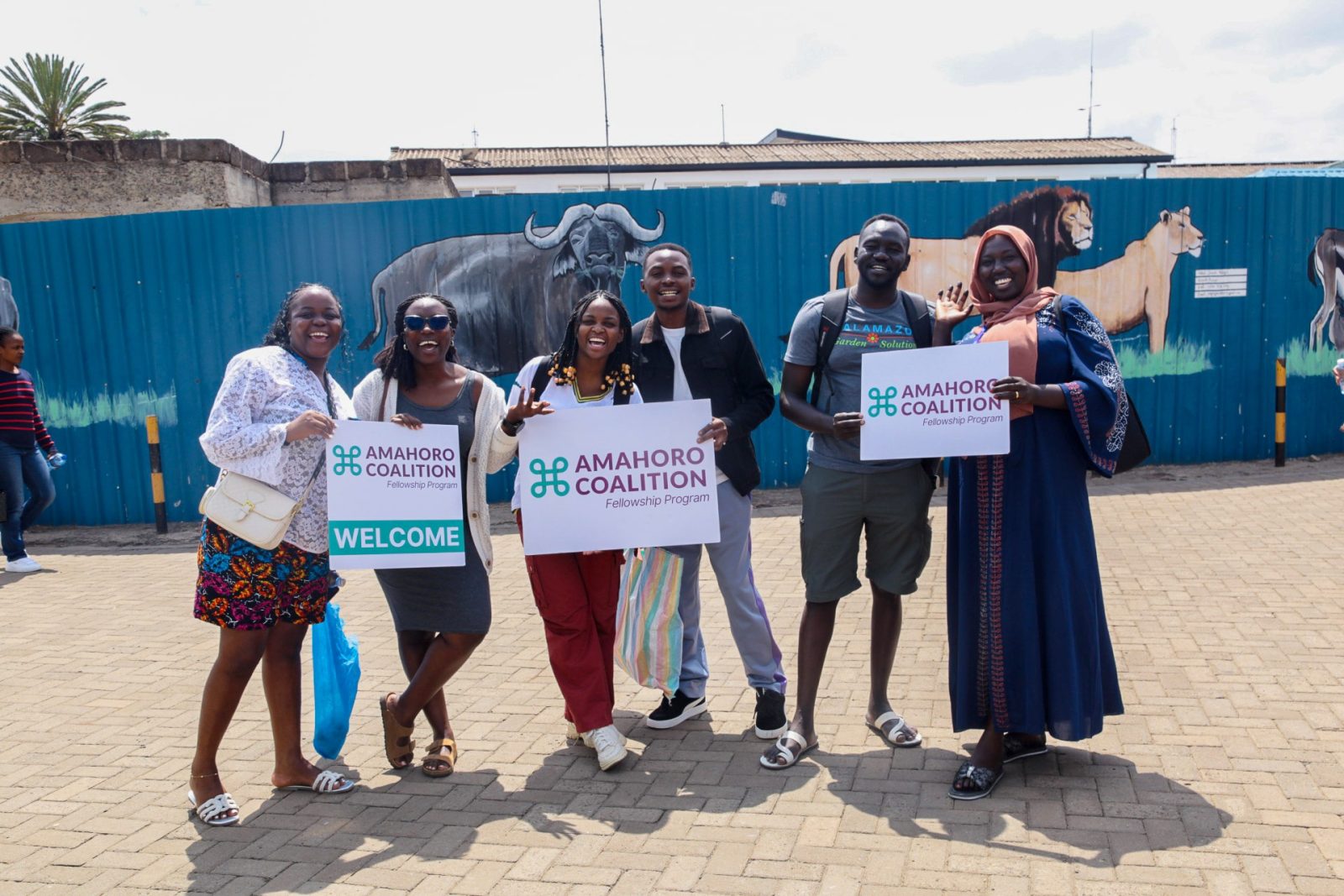
Women comprise the majority of the latest intake of refugee and displaced entrepreneurs selected for the Amahoro Fellowship Programme, with 24 out of 41 fellows being female.
The Amahoro Fellowship supports refugee and displaced entrepreneurs who are generating employment, drawing investment and boosting economic activity in their host countries.
The participants hail from 15 countries, including the Democratic Republic of the Congo, South Sudan, Sudan, Somalia, Rwanda and Syria.
Their ventures are now operating across 16 African nations, among them Kenya, Uganda, Rwanda, Ghana and South Africa, spanning sectors ranging from agriculture and education to technology, healthcare, manufacturing, climate action, logistics and the creative industries.
The 12-month program offers intensive business training, mentorship, peer networking and direct engagement with investors and private-sector executives. Participants gain access to funding of up to $160,000 to help scale their operations.
Since its inception, the initiative has backed 88 refugee and displaced entrepreneurs, and businesses from the first three cohorts have significantly expanded their impact, growing their combined workforce from 428 employees before the fellowship to more than 2,240 jobs. Those companies have secured more than $2.4 million in funding through the program itself and an additional $4.1 million from outside investors.
The programme receives support from the Swiss Agency for Development and Cooperation (SDC) and the Mastercard Foundation, while PSA BDP contributes mentorship and specialist industry expertise.
Patricia Barandun, head of section for migration and forced displacement at the SDC, welcomed the focus on entrepreneurship as a route to resilience. “This initiative supports locally driven solutions that enable displaced communities to thrive,” she said.
According to the coalition, the programme identifies and supports refugee and displaced entrepreneurs who are generating employment, drawing investment and stimulating economic activity in their host countries, often under challenging circumstances.
Barandun added that refugee entrepreneurs are making tangible contributions to Africa’s economy through business growth, innovation and job creation, even as they navigate the profound obstacles posed by displacement.















Leave a comment