

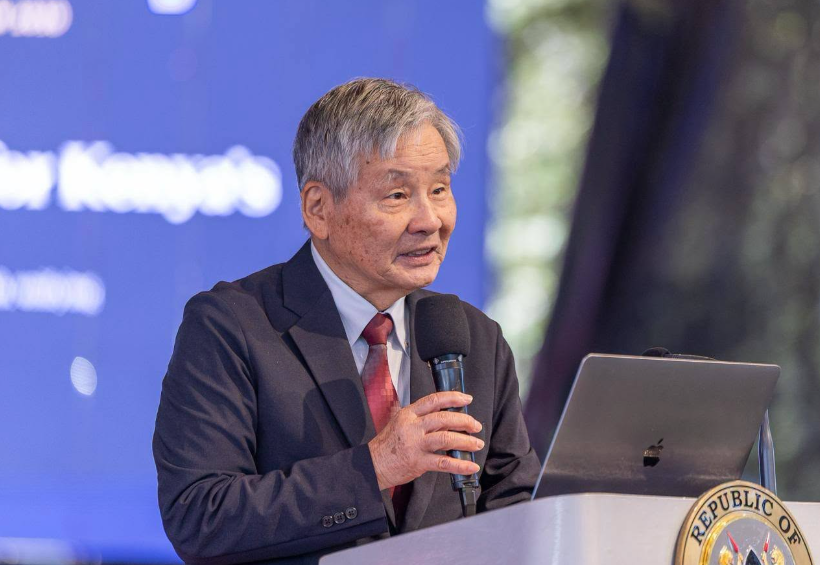
Kenya’s youthful optimism and determination could become a powerful driver of long-term economic growth, even as the country faces a steep development gap with advanced economies, a Duke University professor has said.
Prof. Hiroyuki Hino said comparisons with Singapore should not discourage Kenyans, despite the vast difference in income levels between the two countries.
“I am told many Kenyans are skeptical, believing Singapore is too high a target,” Hino said. “I agree reaching its level of development in 30 to 40 years will be difficult. Singapore’s income per person exceeded $80,000 last year, compared to just over $2,000 in Kenya. Huge difference.”
The professor, however, argued that Kenya possesses important human qualities that could support rapid future growth.
“But Kenyans possess personal attributes that can power extraordinary growth,” he added.
Hino highlighted findings showing that Kenyan children perform strongly on measures related to optimism, perseverance and social wellbeing when compared with peers in several developing and developed countries.
“Kenyan children are more optimistic and persevering than their peers in several developing and developed countries,” he said. “They demonstrate greater hope and confidence in the future, as well as greater determination to pursue their goals.”
He also noted that Kenyan children score well in areas such as engagement, connectedness and happiness, traits that he said are important for building productive societies.
The remarks come amid ongoing debate about Kenya’s economic transformation agenda and the country’s ambition to achieve higher levels of industrialisation and prosperity. While acknowledging the difficulty of matching Singapore’s development trajectory within a few decades, Hino said Kenya’s social and psychological strengths should be viewed as assets rather than overlooked.
Economists have increasingly pointed to human capital, including education outcomes, resilience and social cohesion, as critical ingredients for sustained growth alongside infrastructure, investment and governance reforms.
Hino said nurturing these positive attributes among young people could help Kenya unlock its long-term economic potential despite current income constraints.
Read: PS Raymond Omollo Rallies Kenyans to Shape Post-2030 Development Vision
>>> Kenya’s Vision 2030 Is Coming to an End. What’s New?











Leave a comment