

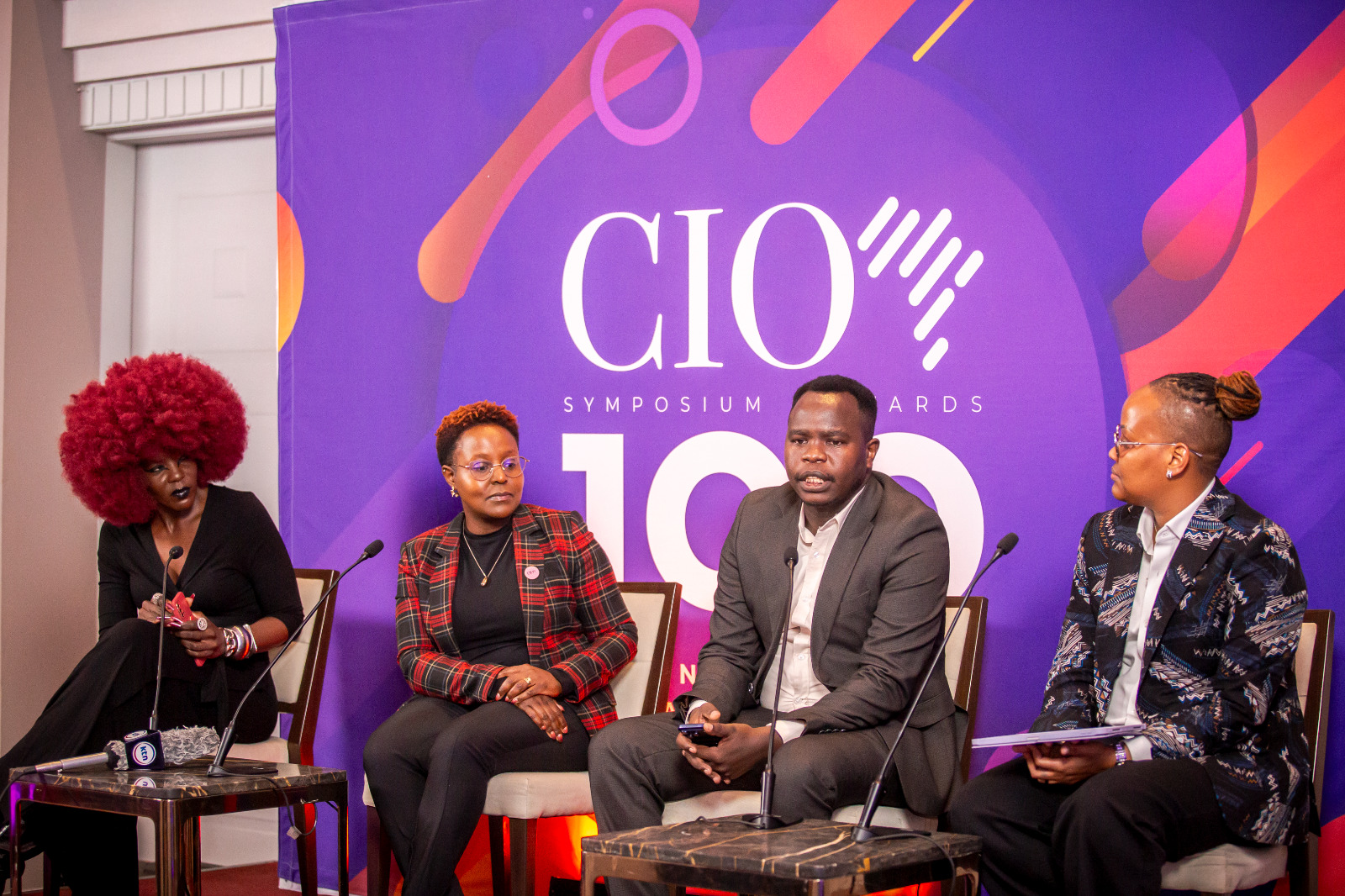
African organisations are increasingly using their internal techies to develop solutions to business challenges, rather than relying entirely on external suppliers.
According to 2026 CIO100 Awards, 38.2% of projects from about 1,300 organisations were developed without an external vendor, highlighting the role of in-house tech teams in driving innovation and delivering business value.
Building technology in-house allows organisations to create solutions that meet their specific needs, retain technical skills locally and have greater control over their data and systems.
It can also reduce dependence on external suppliers and give African technology professionals more opportunities to develop solutions for local markets.
The findings are based on CIO100 Awards submissions spanning 10 countries: Kenya, Nigeria, Ethiopia, Tanzania, South Africa, Rwanda, Uganda, Malawi, Zimbabwe and the United Kingdom.
AI a Priority
Artificial intelligence (AI) is the leading tech investment priority among participating organisations. A total of 84.8% of submissions identify AI as a priority for investment over the next 12 to 24 months.
However, only 61.8% of the projects entered into the awards used AI, while 25.7% used generative AI, the technology behind tools that can create text, images and other content.
AI use has increased from 54.8% in last year’s submissions, showing that more organisations are adopting the tech. But the gap between investment plans and actual use suggests that many organisations are still working out how to put AI into practice.
“AI is moving rapidly up the agenda for African business and technology leaders, but the real test is how effectively organisations translate that interest into results,” said Harry Hare, Chairman, CIO Africa by dx5.
Hare adds: “The gap between planned investment and current adoption shows that many businesses are still working through the practical questions of implementation, skills, data and governance. We need to focus on how technology can solve real problems, improve productivity and open new opportunities for growth,”
The findings challenge the idea that digital transformation requires large budgets. Does it mean smaller projects deliver stronger returns?
Projects costing less than $10,000 (or about KSh 1.3 million) account for 27.2% of submissions, up from 12.7% in 2023. These projects reported a median return of 3.6 times their investment, compared with about twice the investment for the largest-budget projects.
“The figures suggest that organisations can achieve meaningful results by investing in smaller projects that solve specific problems, rather than relying only on expensive, large-scale technology programmes,” said Arnold Ng’ang’a, Senior Manager Consulting Services (Enterprise Technology and Platforms), Deloitte.
Smaller projects can also help organisations test new ideas, measure results and expand successful solutions without committing large amounts of money upfront.
Figures show the share of projects costing less than $10,000 (approximately KSh 1.3 million), but do not establish the average amount all participating organisations spend on technology.
The submissions also reveal a gap in cybersecurity readiness, with 82.5% of organisations rating their security maturity in the highest category. Only 38.6% said they had tested an incident-response plan.
An incident-response plan sets out how an organisation should react to a cyberattack, including who is responsible, how systems should be protected and how services should be restored.
The gap matters as organisations adopt more AI tools, cloud services and connected systems. These technologies can improve efficiency, but they can also create new opportunities for cybercriminals. AI-assisted attacks can help attackers work faster and target more victims.
Recognising technology-led business growth
This year’s submissions show how organisations across different countries and sectors are using technology to improve their operations. They also highlight the challenges of turning investment plans into working solutions and ensuring that digital growth is supported by strong cybersecurity.
The winners will be recognised at the CIO100 Awards & Symposium 2026, set to take place from November 25 to 27 at Diamonds Leisure Beach & Golf Resort in Diani, Kenya.
The event is expected to bring together tech leaders and business executives to discuss how organisations can use technology to improve performance, strengthen security and create lasting business value.













Leave a comment