

All work without play makes Jack a dull boy, or so the saying goes. But sometimes, the best way to kick-start a weekend is to feed the soul as much as one seeks to unwind.
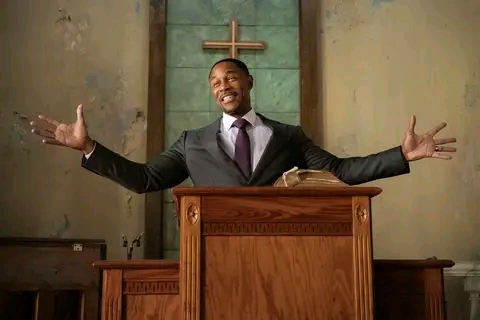
On Friday evening, Men of Impact, a men’s ministry at my church, Christ Is The Answer Ministries (CITAM) Roysambu, organised a free movie night for the men in the congregation. The film of choice was The Forge, the 2024 faith-based drama by the Kendrick Brothers.
And boy, what a way to usher in the weekend on a spiritually uplifting note!
Originally released in cinemas in 2024, The Forge is written by Alex and Stephen Kendrick, directed by Alex Kendrick and produced by Shannon Kendrick. It runs for approximately two hours and four minutes.
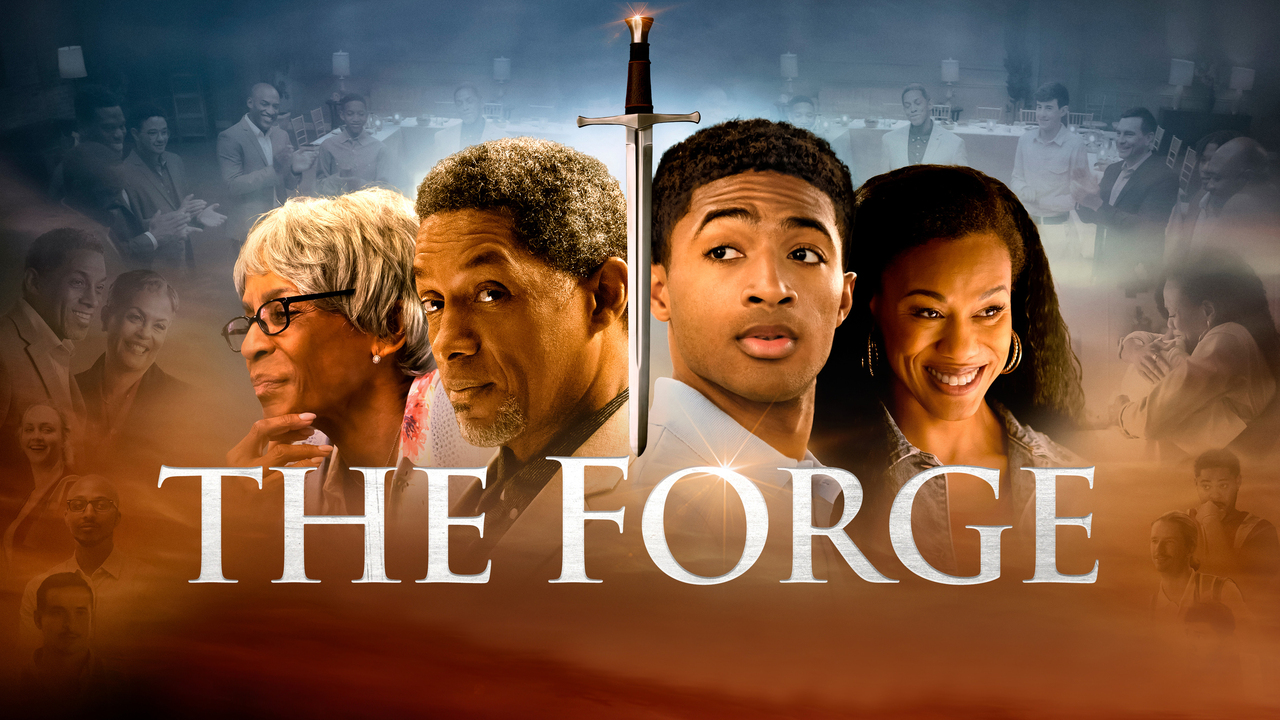
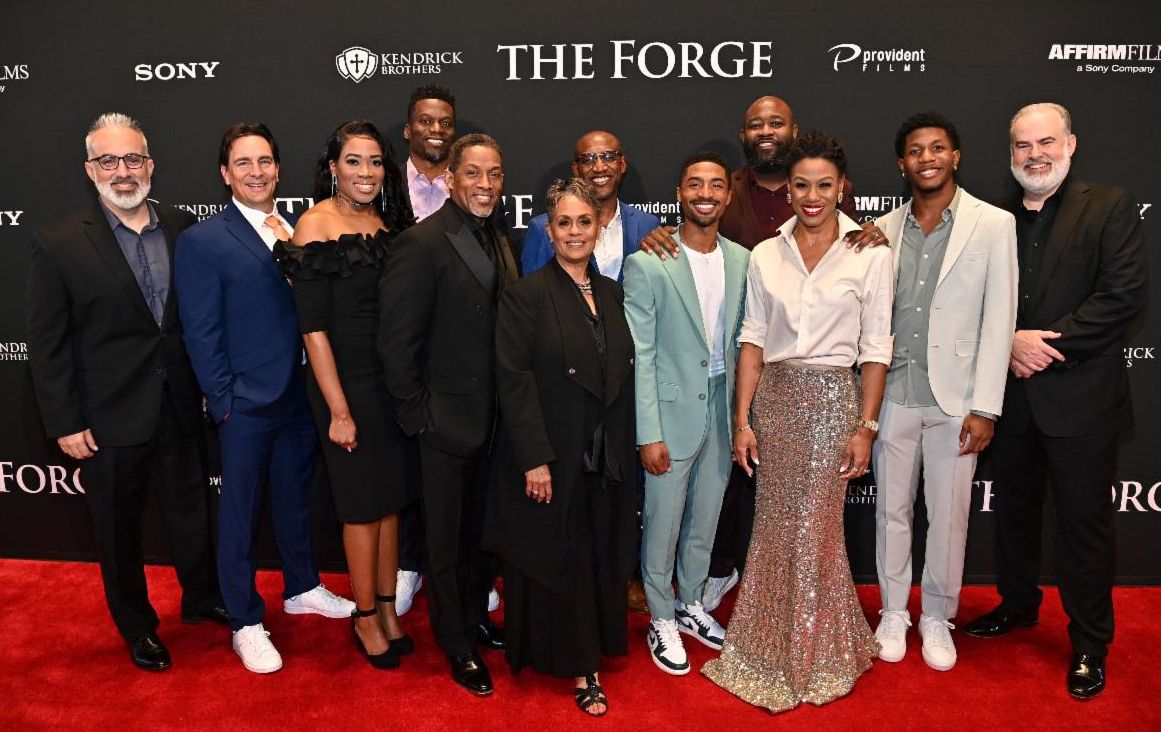
Starring Aspen Kennedy, Priscilla C. Shirer and Cameron Arnett, this tear-jerking film explores faith, forgiveness, discipline, fatherhood, mentorship and the sometimes uncomfortable process of becoming the person one is called to be.
For anyone feeling spiritually lost, wrestling with doubt or questioning their faith in Jesus Christ, this is a cinema worth watching. Just keep a box of tissues nearby.
The story: A young man at a crossroads
Isaiah Wright (Aspen Kennedy) is a 19-year-old high-school graduate with little ambition beyond video games and casual basketball with his friends. He has no clear plans for his future, and beneath his apparent indifference lies a deeper struggle with resentment towards his absent father.
His mother, Cynthia Wright (Priscilla C. Shirer), is increasingly frustrated by his lack of direction and unwillingness to take responsibility for his life. A committed Christian, she eventually decides that loving her son also means refusing to enable his stagnation.
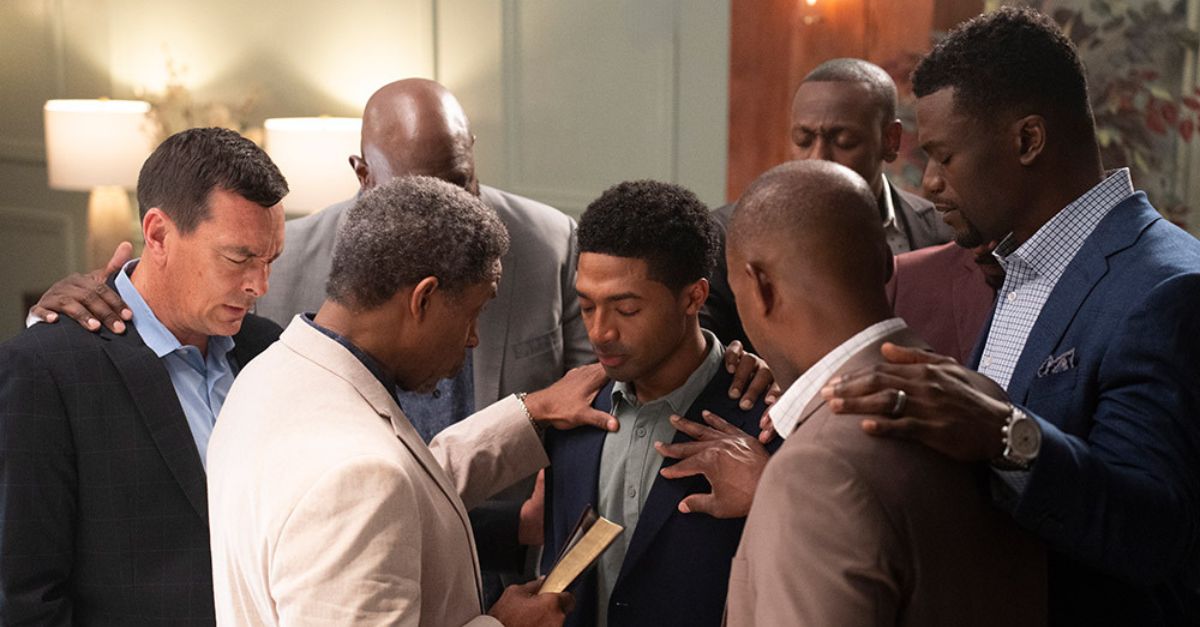
Rather than simply nagging him into submission, Cynthia places him in a position where he must confront his own choices. Through a connection to a local business, Isaiah encounters Joshua Moore (Cameron Arnett), a successful businessman and committed Christian whose approach to mentorship begins to change the young man’s outlook.
Joshua introduces Isaiah to the importance of discipline, service, accountability and spiritual growth. What follows is a journey of personal development in which Isaiah must learn that becoming a man requires more than age, physical strength or financial success.
But will he embrace the opportunity to change, or will his resentment and lack of direction continue to dictate his future?
One of the film’s greatest strengths is its emphasis on discipleship. Isaiah’s transformation is not presented solely as a private encounter between an individual and God; it is also shaped by the people who walk alongside him, challenge him and hold him accountable.
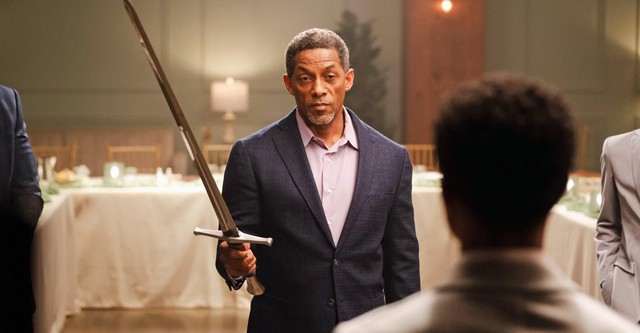
Joshua’s role in Isaiah’s life is particularly compelling. He does not merely offer advice. He demonstrates, through his actions, what discipline, responsibility and Christian leadership can look like in practice.
Cynthia’s approach to parenting is equally instructive. She is frustrated, concerned and deeply invested in her son’s future, yet she understands that she cannot manufacture conviction in him. Her faith leads her to pray, exercise patience and trust God with what she cannot control.
That distinction resonated with me. Sometimes, particularly when dealing with people we love, we want to do the work of transformation for them. We want to persuade, push, lecture and correct until they finally see things our way. But conviction cannot simply be forced upon another person.
The film makes a compelling case for the role of prayer, personal responsibility and the quiet influence of people who lead by example.
The performances are commendable, with Priscilla C. Shirer particularly impressive in her dual role as Cynthia and her twin sister, Elizabeth Jordan. She brings a distinct presence to both characters, while Cameron Arnett gives Joshua the calm authority and warmth necessary for the mentorship dynamic to work.
And the soundtrack? The cherry on top has to be CeCe Winans’ That’s My King during the end credits. As someone who counts Winans among his favourite gospel singers, that was a particularly satisfying moment.
Set in Charlotte, North Carolina, the film also brought back personal memories. Watching it, I found myself thinking about my teenage years, when my dad would take us to meetings and banquets organised by the Full Gospel Business Men’s Fellowship.
For some reason, the film transported me back to those days. Even now, I can remember the anthem, His Banner Over Us Is Love.
There is something special about a film that does more than entertain you; it unlocks memories you did not realise you were carrying.
The craft: Good performances, familiar tropes
Visually, The Forge is warm and clean, while its musical score helps heighten the emotional stakes. The costumes are somewhat conventional, but they are decent and appropriate to the story’s setting.
The pacing, however, is occasionally slow. At just over two hours, the film takes its time developing Isaiah’s transformation. Viewers unfamiliar with faith-based dramas may find some sections overly deliberate, while audiences who enjoy this genre will likely appreciate the opportunity to sit with its lessons.
The storytelling is also predictable, although not necessarily to its detriment.
The coffee shop, in particular, gave me a feeling that the story would eventually circle back to where it began. When it did, I smiled. It was a satisfying narrative choice, a reminder that sometimes the most effective endings are those that bring a story full circle.
The film’s central metaphor, the forge and the sword, is also effective. Growth often requires pressure, discipline and discomfort. The process is not always pleasant, but it can shape a person into something stronger and more purposeful.
Still, a good metaphor cannot entirely compensate for a story that occasionally makes transformation appear more straightforward than it is in real life.
Where The Forge falls short
For all its strengths, I have a few reservations.
1. Does accepting Christ mean everything suddenly falls into place?
This was my biggest concern.
As much as I enjoyed the film, I felt it offered an incomplete representation of the Christian experience, particularly for young believers.
Christianity is not a magic wand. One does not give their life to Christ and suddenly find every problem disappearing, every opportunity opening up and every relationship falling neatly into place.
Sometimes we pray, and the opposite of what we hoped for happens. Sometimes we do everything we believe is right and still experience disappointment, rejection, grief and uncertainty. Faith does not exempt anyone from the realities of life.
For me, the deeper expression of Christian maturity is not simply celebrating God when things work out. It is finding the courage to trust Him when they do not.
Isaiah’s progress, following his change in outlook, felt a little too smooth. I wanted the screenplay to test him more substantially. What happens when a young man who has begun taking responsibility for his life experiences a serious setback? Does he return to old habits? Does he question his faith? How does he respond when prayer does not produce the outcome he wants?
Joshua’s backstory touches on the reality of hardship, but it is experienced through the perspective of an older man. I would have welcomed a comparable test of faith for Isaiah himself.
That would have made his journey more complex, relatable and ultimately more convincing.
2. Was a 29-year-old actor necessary to play a 19-year-old?
Aspen Kennedy does a commendable job portraying Isaiah. His performance is believable enough to carry the character’s emotional journey.
However, I could not help wondering whether a younger actor might have brought a more authentic teenage sensibility to the role. The difference between being a teenager fresh out of high school and being an adult approaching 30 can be significant, particularly in a story concerned with youthful immaturity, identity and the transition into adulthood.
This is not to diminish Kennedy’s performance. It is a question of casting and the kind of realism the story seeks to achieve.
3. The father figure: Necessary, but not without caution
Joshua Moore represents the kind of mentor many young men could benefit from having in their lives, whether that person is a father, uncle, coach, teacher or another trusted adult.
His influence highlights an important point: boys and young men need positive role models who demonstrate responsibility, emotional maturity and integrity.
But this message deserves a qualification. Mentorship must be built on trust, accountability and appropriate boundaries. Not every adult who presents themselves as a mentor has a young person’s best interests at heart.
In a world where appearances can be deceiving, discernment matters just as much as the need for guidance.
4. A difficult truth about fatherhood
The film’s portrayal of Isaiah’s father may be uncomfortable for some viewers, particularly because it reinforces the damage that parental absence can inflict.
Yet this is someone’s reality.
Absent fathers, fractured families and unresolved childhood hurt are not merely convenient plot devices. They are experiences that shape how people understand themselves, form relationships and respond to rejection.
The challenge is to acknowledge these wounds without suggesting that every man is defined by his failures or that every young person with an absent father is destined to struggle.
Ultimately, what matters is how people confront their past, take responsibility for their present and make different choices for their future.
Five lessons I took away
Forgiveness is a choice, not always a feeling.
One line, in particular, stayed with me: the idea that we must forgive those who have hurt us not because we suddenly feel good about what happened, but because we consciously choose to release the offence.
Forgiveness can be difficult, especially when the wound is deep. But holding on to resentment can become a burden of its own. From a Christian perspective, the call to forgive challenges us to extend to others the grace we seek from God.
The Holy Spirit convicts; we do not control another person’s transformation.
Cynthia’s gentle but firm approach to her son was one of the film’s most touching elements. She does not simply abandon her responsibility as a parent, nor does she attempt to force faith upon Isaiah. She prays, guides and places her trust in God.
Young men need positive role models.
Joshua’s mentorship demonstrates how a consistent, responsible adult can help a young person discover purpose and develop discipline. A good role model does not merely tell a young man what to do; they show him how to live.
The greatest gift Christian parents can offer their children is a foundation of faith.
Parents cannot make every decision for their children, nor can they shield them from every difficulty. But they can model compassion, integrity, prayer and a relationship with Christ that their children may carry into adulthood.
Personal growth requires commitment and accountability.
Transformation is not merely about making a declaration. It is about the daily choices that follow: showing up, serving others, accepting correction, making restitution and remaining committed when the excitement of a new beginning fades.
The verdict
The Forge is compelling, emotionally engaging and full of lessons about faith, forgiveness, fatherhood, mentorship and redemption.
It is not without its flaws. Its predictable narrative, leisurely pacing and somewhat idealised portrayal of spiritual transformation leave room for a more nuanced exploration of what it means to live as a Christian in a world that does not always cooperate with one’s prayers.
Nevertheless, its central message remains worthwhile: growth requires intentionality, community and a willingness to confront the things that hold us back.
I particularly appreciated its illustration of the forge and the sword, as well as its reminder that we are often shaped through the difficult processes we would rather avoid.
For me, the film was more than a movie-night selection. It was a reminder of my own journey, the people who have influenced me and the enduring importance of faith.
Because smetimes, the people God places along our path help us become the people we were always meant to be.
Phew! What a refreshing watch. Would I recommend it? Absolutely.
Final rating: 8.5/10.













Leave a comment