

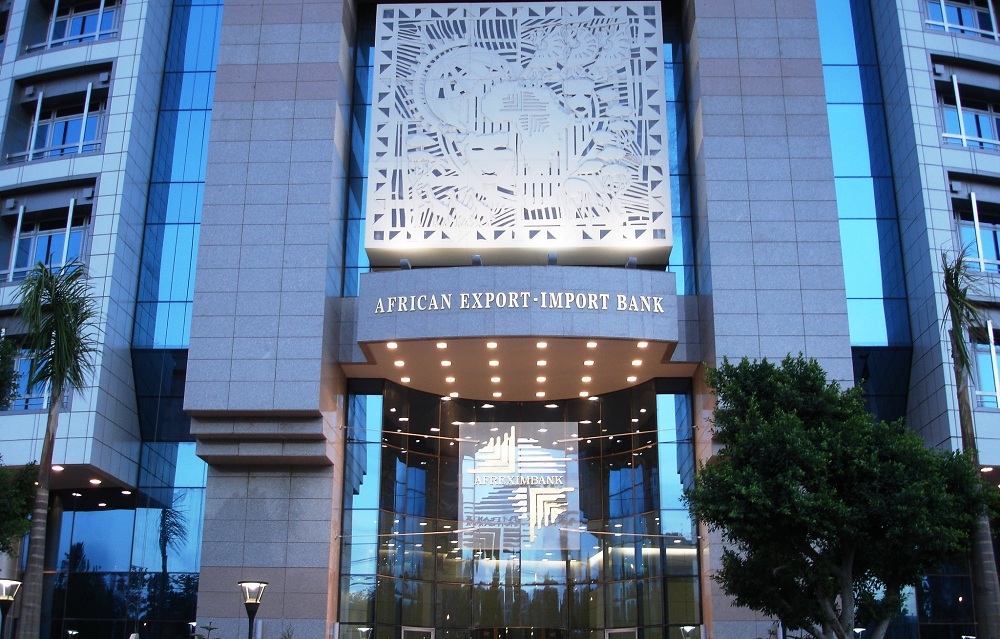
African Export-Import Bank (Afreximbank) has opened its shareholding to the investing public through the issuance of Depositary Receipt.
In a major innovation in Africa’s Capital Markets, Afreximbank, an investment grade rated multilateral financial institution, will collaborate with State Bank of Mauritius (SBM) Holdings Limited to make its first inroads into Africa’s capital market.
The deal by Afreximbank will see a Ksh 3 billion equity offering, using Depository Receipts backed by its Class “D”shares.
Addressing investors in Nairobi, Dr Benedict Oramah, President of Afreximbank, stated that Mauritius as a premier financial centre in Africa has a conducive regulatory frame work for the innovative equity offering.
“SBM possesses the competencies, investor contacts, and infrastructure and support capabilities for issuance of the Depositary Receipts,” he emphasised.
Related: Tony Elumelu outlines how foreign investors can transform Africa
Oramah said the Depositary Receipts would enable Afreximbank to increase its permanent source of capital while giving investors a liquid instrument which will have strong portfolio diversification effects.
“Afreximbank’s Depositary Receipts are expected to further deepen Africa’s equity capital markets, paving way for similar issuance by other multi-laterals,” he added.
SBM Holdings Ltd Chairman, Kee Chong Li Kwong Wing, said that it is a privilege for SBM to have been entrusted by Afreximbank to execute such an important transaction.
“It is high time to see Global investors investing in Africa and tap into Africa’s huge potential,” said Wing, further observing that Afreximbank and SBM Group are creating opportunities for the reinforcement of trade, investment and development across the African continent.
Afreximbank’s shareholders are a four-tier mix of public and private entities, with Class A, constituting African states, African Central Banks and African public institutions; Class B, is made up of African financial institutions and African private investors; Class C, with shares held by non-African investors, mostly international banks and export credit agencies; and Class D, under which fully paid shares can be held by any investor.








Leave a comment