

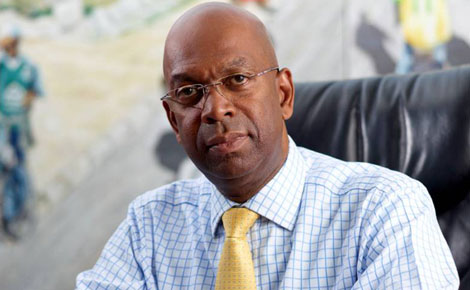
Safaricom’s board has extended CEO Bob Collymore’s contract for two years.
Bob Collymore’s contract was due to expire in August this year. This is the second time his stay at Safaricom, the region’s most profitable company, is being extended. In 2015, he was given another two years at the expiry of his five-year contract.
See Also: Bob Collymore on the future of M-Pesa
The latest extension means Collymore will run Safaricom until August 2019.
Safaricom Chairman Nicholas Ng’ang’a said the board made the decision to let Collymore continue steering the company’s growth. “He has successfully navigated the company through very difficult times,” Ng’ang’a said on Thursday morning when the company announced its 2016 financial results.
Mr Collymore joined Safaricom as CEO in August 2010 from UK’s Vodafone, which controls 40 per cent stake in Safaricom. He replaced Michael Joseph, who had served as CEO for 10 years, between 2000 and 2010.
READ: Bob Collymore’s shocking salary at Safaricom
Under Mr Collymore, Safaricom has taken a new innovation direction, introducing new products around mobile money transfer and making M-Pesa Safaricom’s flagship product and a significant revenue earner.
He has managed to sustain revenue and profitability growth at Safaricom, proving his critics wrong. Mr Collymore was perhaps the stabilizing factor that Safaricom needed after blazing growth at Safaricom.
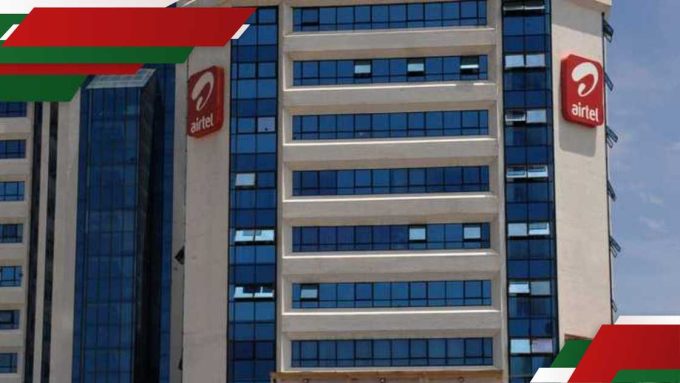
Currently Safaricom is a market leader in both voice and data, controlling over 70% of market share, followed at a distance by Airtel Kenya. According to Communications Authority figures for the last quarter of 2016, Safaricom’s market share hit 71.2%.
NEXT: Collymore caught up in a web of fraud at Safaricom
Safaricom recorded the highest number of mobile subscriptions as at December 31, 2016, gaining 2.2 percentage points of the market share up from 69.0 per cent posted last quarter.
Bob Collymore’s focus when he came in was to improve quality of its network and services, and he invests heavily in network infrastructure.
The mobile operator faced heavy criticism from users and regulators about call drops and poor reception and this had pushed some users to other networks, creating a culture of two SIM cards. He has improved quality and Safaricom continues to attract more users.
[crp]










Leave a comment