

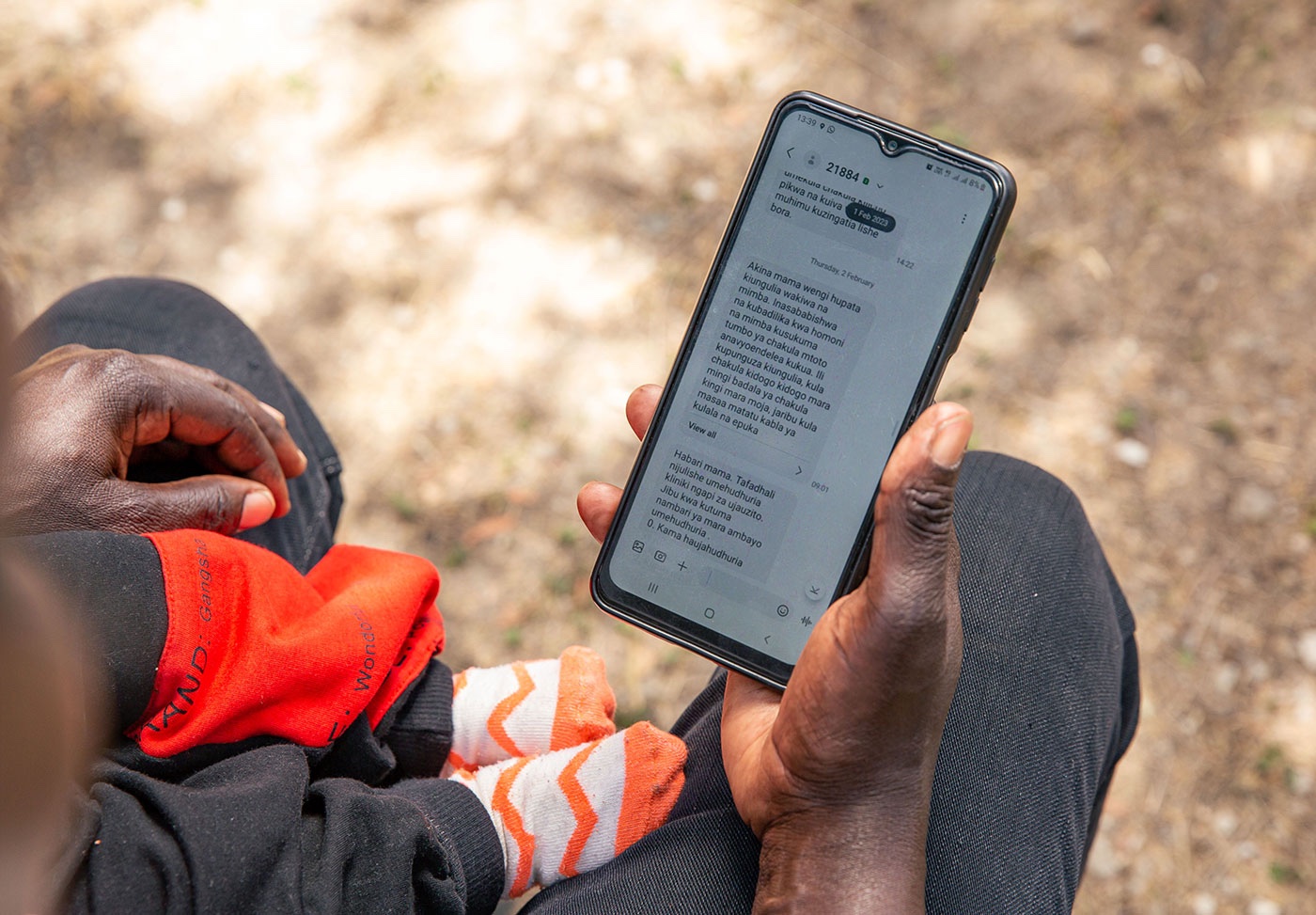
Kenya’s mobile money sector has continued to expand at a steady pace, reinforcing its position as one of the most advanced digital payments markets in the region.
New sector statistics from the Communications Authority of Kenya (CA) show that mobile money subscriptions rose significantly in the third quarter of the 2025/26 financial year, covering the period between January and March 2026.
The number of mobile money subscriptions increased from 51.4 million to 53.4 million, representing a quarterly growth of 3.9 per cent. This translates to roughly two million new accounts added within just three months, a clear sign that digital financial services continue to deepen their reach across both urban and rural Kenya.
“The latest sector statistics released by the Communications Authority of Kenya demonstrate continued growth in mobile money services and the broader digital financial ecosystem,” the report states.
Behind these numbers is a familiar Kenyan reality. From market traders in Gikomba to boda boda riders in Kisumu and students in Eldoret, mobile money has become less of a convenience and more of a daily necessity. What once felt like a financial innovation is now simply how money moves.
A major driver of this growth has been the rapid expansion of mobile money agent networks. The number of registered agents increased from 501,399 to 602,470 during the quarter, marking an impressive rise of 20.2 per cent. This means more than 101,000 new agents were added in just three months, bringing financial services even closer to households and small businesses.
“The expansion of agent networks highlights the increasing demand for accessible financial services at the grassroots level,” the report notes.
At the centre of the market remains Safaricom, which continues to dominate Kenya’s mobile money landscape with a 89.1 per cent share of subscriptions. Its M-PESA platform remains the backbone of Kenya’s digital payments ecosystem, processing billions of transactions every year.
The company’s upgraded M-PESA Fintech 2.0 platform has played a key role in strengthening system capacity and supporting new digital products. The upgrade is designed to handle significantly higher transaction volumes while allowing for expanded financial services.
“This scale is further reflected in Safaricom’s FY26 performance, where the Kenya ecosystem processed approximately 46.41 billion transactions valued at Ksh 41.68 trillion,” the report states.
However, what stands out most is not just the size of the system, but the nature of the transactions themselves. A large portion of activity continues to come from low-value, high-frequency payments. During FY26, Safaricom facilitated about 17.1 billion Kadogo transactions, accounting for 36.8 per cent of total M-PESA volumes.
“The dominance of small-value transactions demonstrates how mobile money supports everyday liquidity needs for households, informal businesses, and micro-enterprises,” the CA notes.
In many ways, Kenya’s mobile money story is no longer just about transfers. It is about survival, convenience, and a financial system that runs quietly in the background of daily life.













Leave a comment