

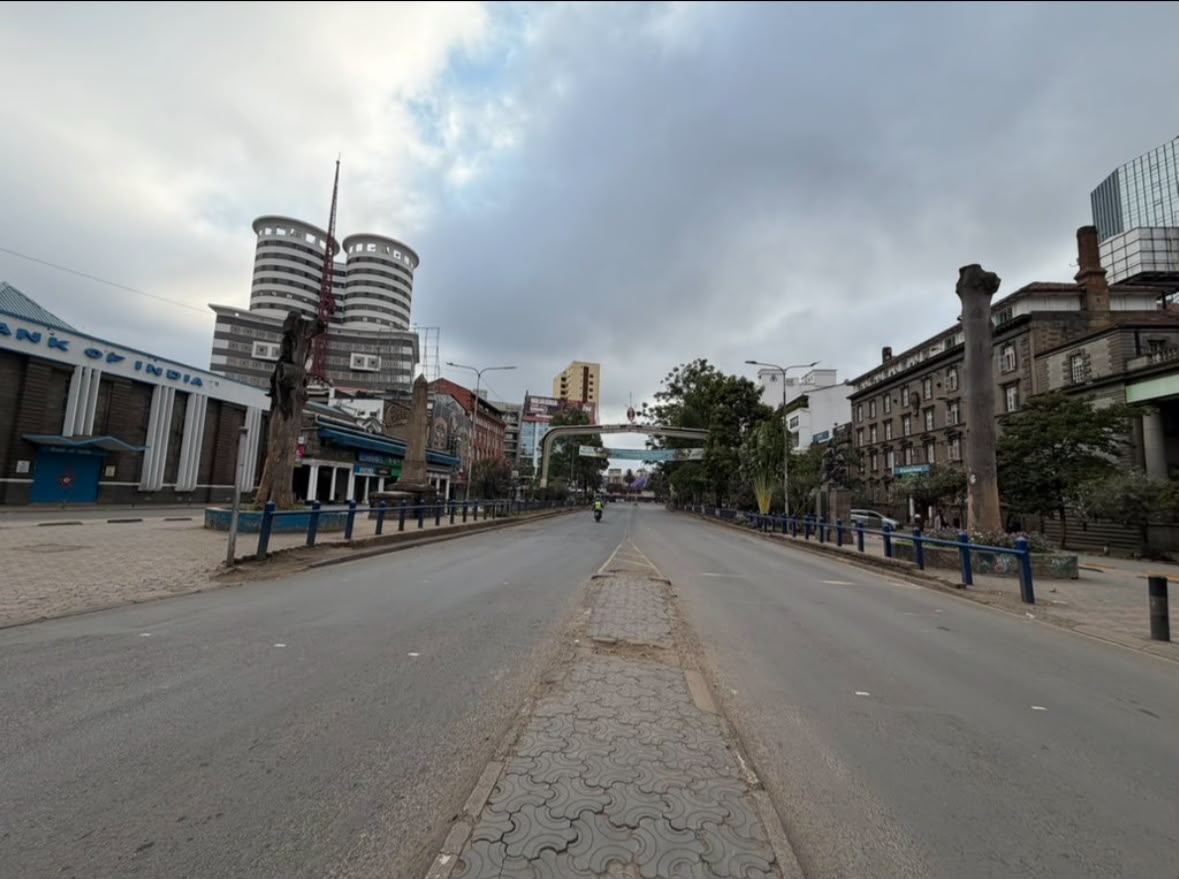
Business activity across Nairobi slowed sharply on Thursday as widespread security measures and fears of unrest prompted traders to keep their doors closed, highlighting the growing economic cost associated with recurring protest-related disruptions.
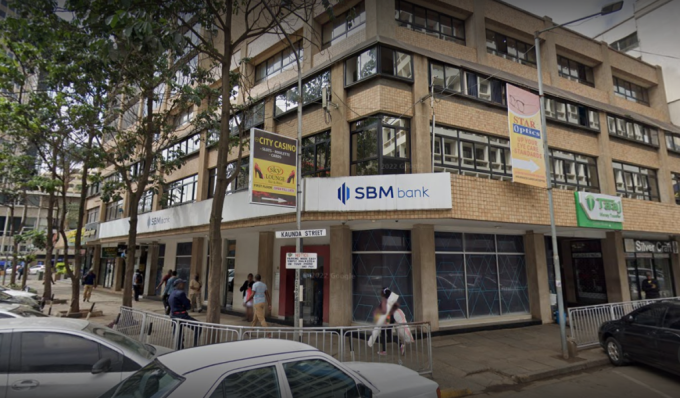
From the early hours of the morning, many businesses within the Central Business District remained shut, with traders opting to sacrifice a day’s revenue rather than risk losses from potential vandalism, theft, or property damage. The cautious approach reflects lessons learned from previous demonstrations, where some businesses suffered significant losses after criminal elements exploited the unrest to target commercial premises.
The closures underscore the difficult position many enterprises find themselves in whenever large-scale demonstrations are anticipated. For small and medium-sized businesses in particular, every day without customers translates directly into lost income, reduced cash flow, and missed opportunities in an already challenging economic environment.
Commercial activity grinds to a halt
The normally bustling streets of Nairobi’s city centre were noticeably quieter as pedestrian traffic dwindled and commercial operations slowed. Businesses that rely heavily on foot traffic, including retailers, eateries, salons, and informal traders, were among the hardest hit.
The slowdown extended beyond the CBD, affecting suppliers, delivery companies, and service providers whose operations depend on access to the city’s commercial core. Delayed deliveries and reduced customer movement created a ripple effect across multiple sectors, disrupting normal business operations throughout the day.
Industry players have repeatedly warned that uncertainty surrounding demonstrations often creates economic losses even before protests begin, as businesses adjust operating hours, scale down inventories, or temporarily suspend services as a precaution.
Transport challenges compound business losses
The economic impact was further amplified by major disruptions to Nairobi’s transport network. Security checkpoints and roadblocks on key routes leading into the city centre significantly affected the movement of workers, customers, and goods.
Thousands of commuters faced delays as public transport operators adjusted routes or halted services in parts of the CBD. Many workers were forced to walk long distances after being dropped off outside restricted zones, while others chose to remain at home due to uncertainty surrounding accessibility.
For employers, the disruptions translated into delayed reporting times, reduced productivity, and operational inefficiencies. Businesses that remained open had to contend with lower staff attendance and fewer customers as movement into the city became increasingly difficult.
Investors and traders monitor stability concerns
Beyond the immediate losses, recurring disruptions continue to raise concerns among investors and business owners about the predictability of the operating environment. Frequent interruptions to trade can affect business confidence, particularly for enterprises that depend on consistent customer traffic and reliable logistics networks.
Economic analysts note that while demonstrations remain an important avenue for civic expression, prolonged disruptions to commercial activity can weigh on economic growth, particularly when they affect major urban centres such as Nairobi, which contributes a significant share of the country’s economic output.
The situation also places additional pressure on businesses that are still recovering from rising operating costs, elevated taxation, inflationary pressures, and reduced consumer spending power.
Balancing public expression and economic Stability
As the demonstrations unfold, attention remains focused on how authorities, businesses, and organisers can minimise economic disruption while safeguarding constitutional rights.
For traders across Nairobi, however, the immediate concern remains protecting livelihoods and assets. The decision by many businesses to remain closed illustrates the delicate balance between maintaining operations and managing risk during periods of heightened political activity.
While the full economic cost of Thursday’s disruptions may not be immediately clear, the effects were already visible through reduced business activity, interrupted transport services, and thousands of workers and consumers struggling to move around the capital. For many enterprises, the day’s events serve as another reminder of how quickly uncertainty can translate into financial losses.










Leave a comment