

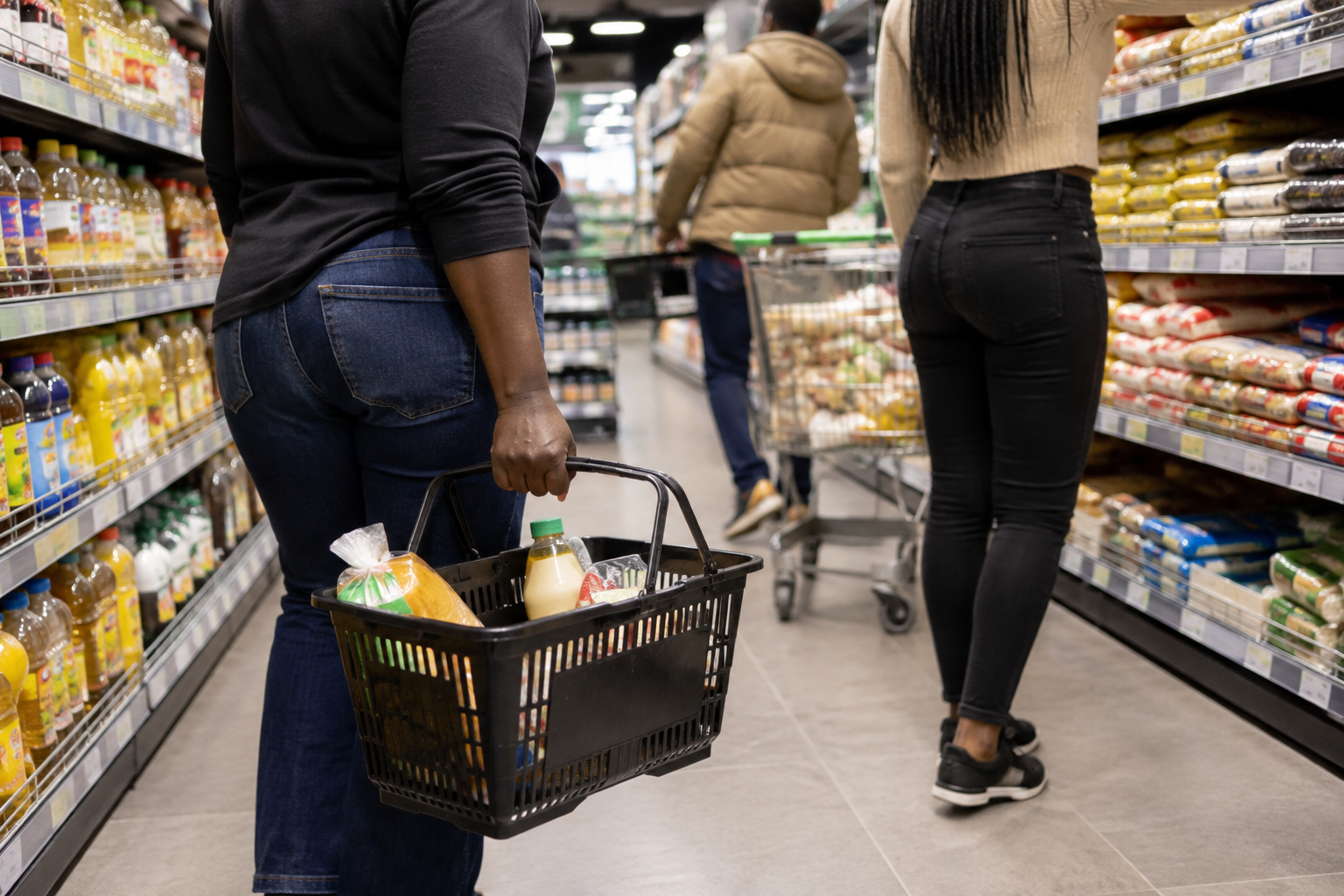
The Retail Trade Association of Kenya (Retrak) has warned that changing consumer habits are reshaping the country’s retail market as households struggle to cope with the rising cost of everyday goods.
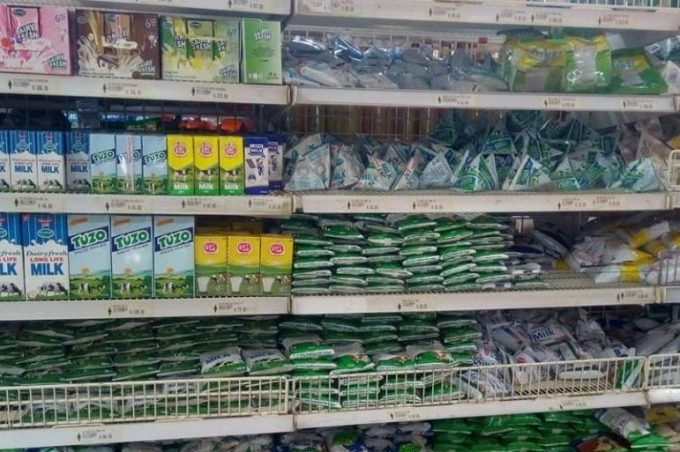
The association says more shoppers are choosing smaller quantities of household products and cheaper alternatives instead of buying the larger packs and established brands they previously preferred.
The change is particularly visible in fast-moving consumer goods, including detergents, cooking oil and other household essentials. For consumers facing tight budgets, buying a smaller pack allows them to meet immediate needs without setting aside a large amount of money at once.
Retrak chief executive Wambui Mbarire says retailers and manufacturers can no longer rely on traditional buying patterns as consumers become more careful about how they spend their money.
“The trend is forcing manufacturers and retailers to rethink product sizes, pricing, distribution and packaging,” Retrak said in its August 2026 retail intelligence briefing, titled “Execution over Experimentation”.
The briefing identifies affordability, efficiency and the ability to respond quickly to changing consumer behaviour as some of the main issues businesses need to address.
Kenya’s inflation rate provides a wider picture of the pressure facing households. Data from the Kenya National Bureau of Statistics shows annual inflation increased to 6.5 per cent in July 2026, up from 6.4 per cent in June.
The increase means consumers are having to make difficult choices across different areas of household spending, with food, transport, housing and other necessities competing for the same income.
This is changing the meaning of affordability in the retail market. Instead of simply looking for the lowest-priced product, shoppers are increasingly comparing the amount of product they receive against the money they have available.
For retailers, the situation has created an opening for private-label products. These are goods manufactured for a retailer and sold under its own brand. They are often priced below major national brands, giving shoppers another option when they want to reduce their spending.
Supermarkets can also benefit because private labels give them greater control over pricing, product positioning and profit margins.
The pressure is not limited to supermarkets. Small shops and kiosks remain an important part of the retail system, particularly for consumers who make frequent purchases rather than buying household supplies in bulk.
Manufacturers are therefore looking for faster ways to reach these outlets. Digital business-to-business platforms are increasingly being used to allow retailers to place orders, make payments and arrange deliveries without depending entirely on traditional wholesale channels.
This can make it easier for suppliers to distribute smaller packs while reducing some of the costs involved in getting products to neighbourhood shops.
However, smaller packaging comes with another concern. Manufacturers must consider the cost of producing additional packaging while also meeting Kenya’s growing environmental requirements under waste management and Extended Producer Responsibility rules.
The growth of private labels also does not mean established brands are losing all their customers. Instead, the market is becoming more competitive as shoppers weigh brand reputation against price and quantity.
For manufacturers, this means simply being a familiar name may no longer be enough. They must convince consumers that their products offer enough value to justify the extra cost.
For retailers, meanwhile, the changing market offers an opportunity to build stronger own-brand businesses and retain customers who are becoming increasingly price-conscious.
The retail industry is therefore moving towards a market where understanding the consumer’s pocket may matter just as much as understanding the consumer’s preferences.








Leave a comment