

Public universities in the country have faced steep reductions in direct government funding, with allocations falling by as much as Ksh13 billion under the new funding model, according to official data from the Kenya National Bureau of Statistics (KNBS).
The figures, drawn from the latest economic survey, reveal that leading institutions bore the brunt of the cuts between the 2023/24 and 2025/26 financial years as the government shifted away from traditional block capitation to a system based on scholarships, loans and household contributions.
At the University of Nairobi, once the country’s flagship institution, government funding dropped dramatically from Ksh2.44 billion in 2023/24 to Ksh947.8 million in 2024/25, before falling further to Ksh534.79 million in the current financial year 2025/2026.
Similar sharp declines were recorded at Jomo Kenyatta University of Agriculture and Technology (JKUAT), where allocations fell from Ksh2.5 billion to Ksh474.83 million by 2025/26.
On the other hand, Egerton University saw its funding shrink from Ksh1.73 billion to Ksh365.24 million over the same period.
Other major universities as well, including Kenyatta, Moi and Maseno, experienced comparable reductions, with many dropping from above Ksh1 billion to around or below Ksh600 million.
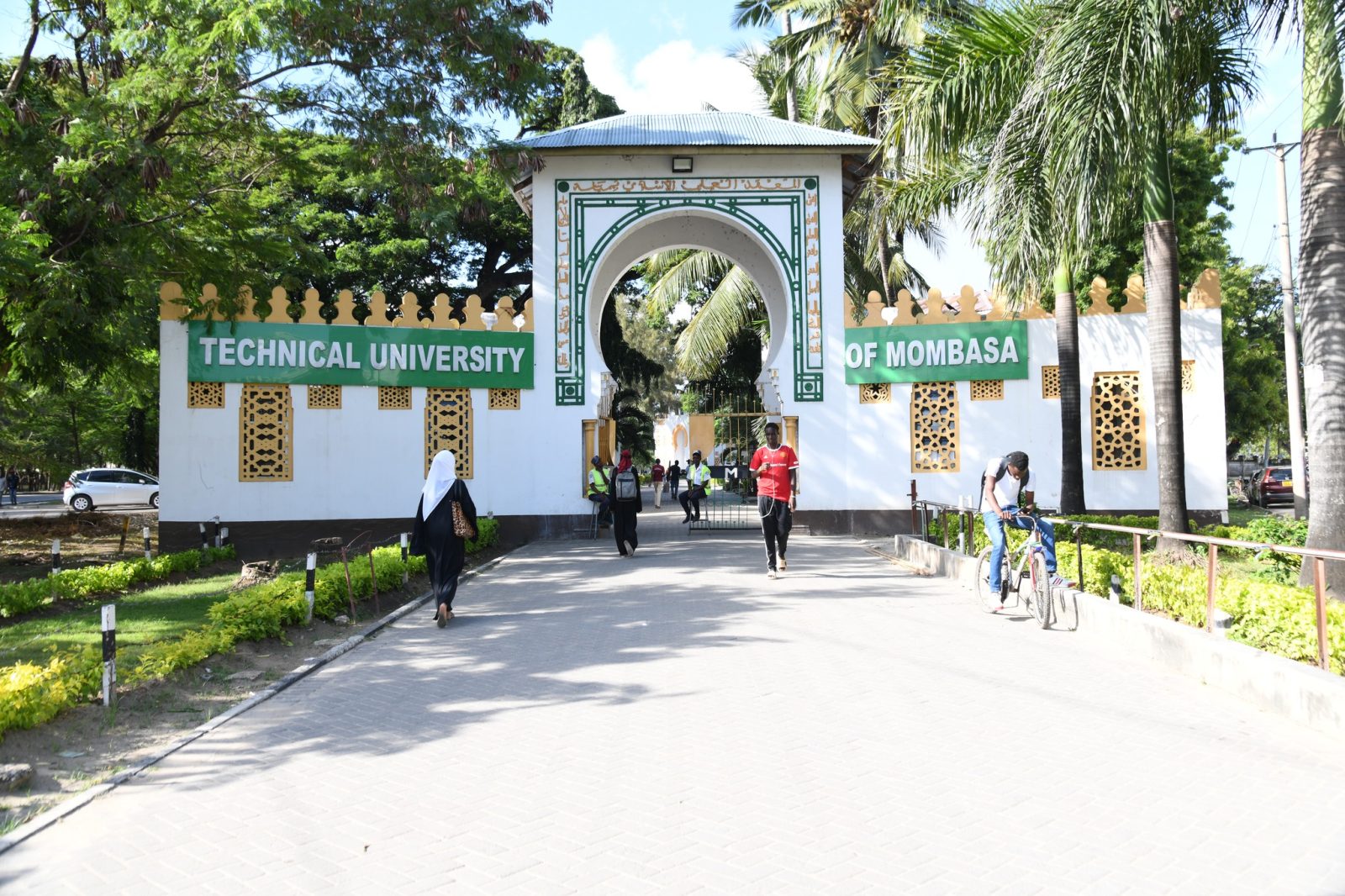
Technical institutions were not spared either. The Technical University of Mombasa’s allocation plunged from Ksh1.06 billion to just Ksh90.9 million, while the Technical University of Kenya’s funding fell from more than Ksh1.1 billion to Ksh172 million.
The data also reflected a broader contraction in the number of students receiving direct government sponsorship at many institutions. At the UoN, for example, the count of government-funded students declined from 23,666 to 10,859 before partially recovering to 19,114. Trends were comparable at several other leading universities.
Not every institution followed the same pattern, though. At Masinde Muliro University of Science and Technology (MMUST), the number of beneficiaries rose from 14,834 in 2023 to 16,373 in 2025/26 even as funding fell from 1.29 billion shillings to 550.79 million shillings, illustrating uneven effects across the system.
These figures, released four months ahead of the September university intake, come as thousands of students who sat for the 2025 Kenya Certificate of Secondary Education examinations are applying for placement.
Now, the question is, is this state support for higher education reliable and adequate at a time when public institutions are already grappling with rising operational costs, accumulated debts and pending bills alongside rising admissions?
University administrators and policymakers will be closely watching whether the new model can sustain institutional stability while broadening opportunity.














Leave a comment